
 home
home
 Published: May 26, 2026 01:01 PM
 Page View: 117
In today’s competitive industrial landscape, manufacturers and exporters face constant pressure to improve productivity, reduce operational risks, and maintain consistent delivery schedules. For many industrial facilities, outdated automation systems remain one of the biggest obstacles to achieving these goals. Distributed Control Systems (DCS), which manage and coordinate complex industrial operations, are essential for maintaining production stability and efficiency. However, aging systems often lead to unexpected downtime, higher maintenance costs, and reduced production flexibility.
By replacing obsolete control infrastructure with a modern distributed control platform, one industrial exporter successfully reduced production downtime by 50%, improved operational reliability, and strengthened its competitiveness in global markets.
The client, a mid-sized exporter specializing in industrial components for overseas markets, had been operating with a legacy DCS platform installed more than fifteen years ago. While the original system had served the factory reliably for many years, increasing production demand and evolving customer expectations exposed several critical weaknesses.
Frequent system alarms, communication failures between controllers, and limited spare parts availability created serious operational concerns. Engineers often struggled to troubleshoot faults because the old system lacked modern diagnostic capabilities. Additionally, software compatibility issues prevented the integration of newer production equipment.
The company experienced multiple production interruptions each month. Some outages lasted only minutes, while others halted operations for several hours. These disruptions affected delivery schedules, increased overtime costs, and created uncertainty for international customers relying on consistent supply chains.
Management recognized that continuing to operate outdated automation infrastructure posed significant long-term risks. They needed a scalable and reliable solution capable of supporting future expansion while minimizing production interruptions during implementation.
After a comprehensive system assessment, Easy Semiconductor Technology (Hong Kong) Limited proposed a phased DCS upgrade strategy designed to minimize operational disruption while maximizing long-term performance improvements.
The project team first conducted a detailed audit of the existing automation environment, including controllers, input/output modules, communication networks, operator stations, and field instrumentation. Engineers identified the most failure-prone components and prioritized critical production lines for modernization.
Instead of replacing the entire system at once, the upgrade was divided into carefully planned stages. This phased approach allowed the facility to continue operating while specific sections were upgraded during scheduled maintenance periods.
The modernization plan included:
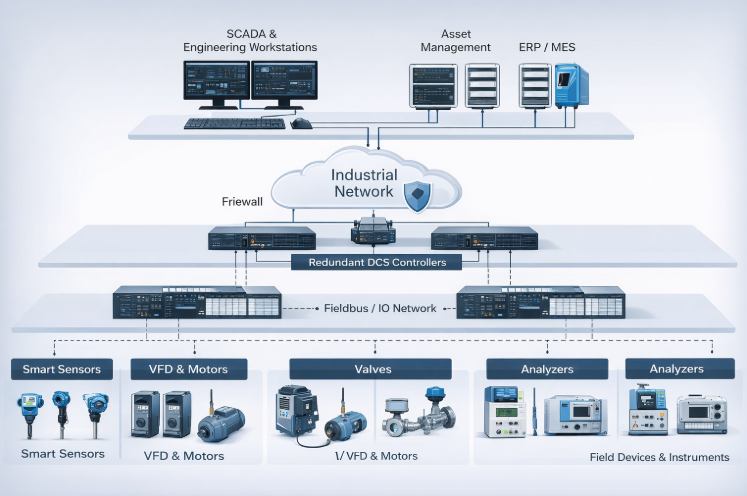
Replacement of obsolete DCS controllers with high-performance redundant controllers
Installation of advanced industrial communication networks
Migration of legacy control logic into a modern software environment
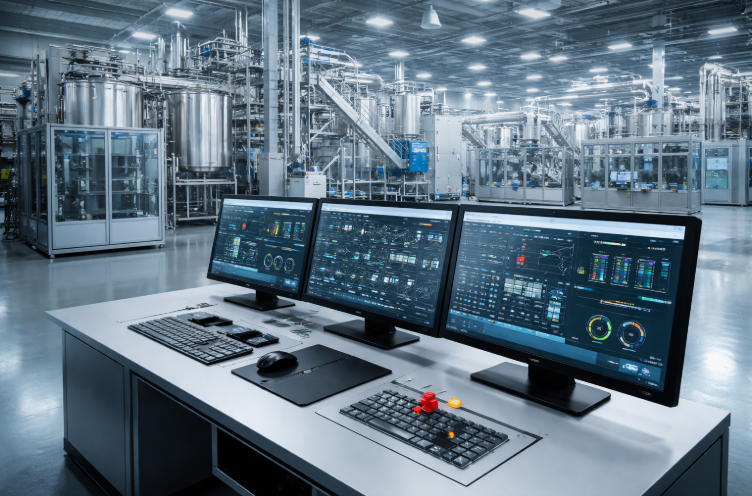
Upgraded operator interfaces with real-time monitoring capabilities
Integration of predictive diagnostic tools
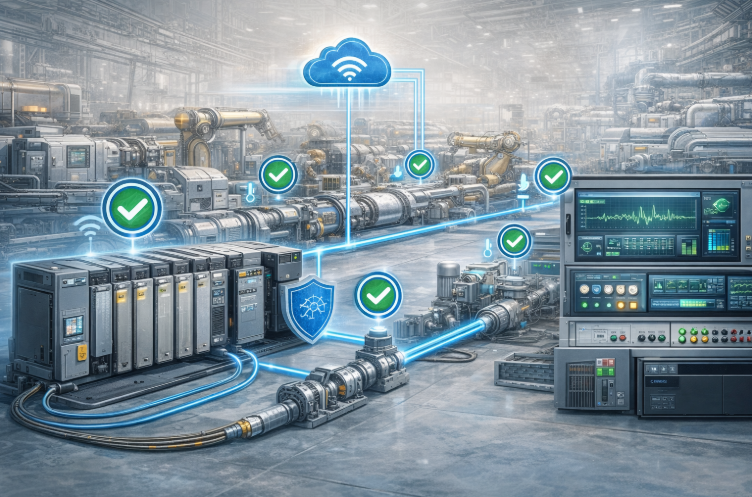
Enhanced cybersecurity protection for industrial networks
Remote maintenance and engineering access capabilities
This strategy reduced implementation risk while ensuring smooth integration between existing equipment and new automation technologies.
One of the greatest concerns for the client was avoiding extended shutdown periods during installation. International customers depended on consistent product shipments, making prolonged downtime unacceptable.
To address this challenge, Easy Semiconductor Technology (Hong Kong) Limited coordinated closely with plant engineers to create a detailed implementation schedule. Critical migration activities were performed during weekends and planned maintenance windows.
The engineering team used simulation testing before deploying new control configurations to the live production environment. This allowed potential issues to be identified and corrected before commissioning.
In addition, redundant system architecture was introduced to improve reliability. Backup controllers and communication paths ensured that operations could continue even if a hardware fault occurred.
Operator training also played an essential role in the project’s success. Plant personnel received extensive instruction on the new DCS interface, alarm management functions, and troubleshooting procedures. As a result, employees adapted quickly to the upgraded system and became more confident in handling daily operations.
Within six months of completing the DCS upgrade, the factory reported dramatic improvements in production stability and operational efficiency.
Unplanned downtime decreased by approximately 50%, primarily due to improved system reliability and faster fault diagnosis. Real-time monitoring tools enabled maintenance teams to identify abnormal conditions before they escalated into major failures.
The new automation platform also improved process consistency across production lines. Enhanced data collection capabilities allowed engineers to optimize machine performance and reduce variability in manufacturing output.
Additional benefits included:
Faster response to equipment alarms
Reduced maintenance labor requirements
Improved spare parts availability
Lower risk of unexpected controller failure
Increased production scheduling flexibility
Enhanced operator visibility into plant operations
Better energy efficiency through optimized process control
The reduction in downtime directly improved delivery performance for export customers. With fewer production interruptions, the company was able to meet shipping deadlines more consistently and strengthen relationships with international buyers.
Modern automation infrastructure is becoming increasingly important for exporters competing in global industrial markets. International customers expect suppliers to maintain stable production capacity, consistent product quality, and reliable delivery schedules.
By upgrading its DCS platform, the manufacturer positioned itself for future growth and digital transformation initiatives. The new system supports integration with Industrial Internet of Things (IIoT) technologies, advanced analytics platforms, and predictive maintenance applications.
The upgraded infrastructure also improves scalability. As production demand increases, additional controllers, sensors, and production lines can be integrated more efficiently without major architectural changes.
Furthermore, enhanced cybersecurity protections help reduce the risk of operational disruptions caused by cyber threats, an increasingly important consideration for globally connected industrial facilities.
Many manufacturers around the world continue operating legacy automation systems far beyond their intended lifecycle. While postponing upgrades may appear cost-effective in the short term, the long-term consequences often include higher maintenance costs, greater downtime risk, and reduced operational flexibility.
Modern DCS solutions offer substantial advantages, including improved reliability, real-time analytics, remote diagnostics, and seamless integration with smart manufacturing technologies. These capabilities are becoming essential for exporters seeking to remain competitive in increasingly automated global markets.
Successful modernization projects require careful planning, technical expertise, and minimal operational disruption. Companies that adopt phased upgrade strategies can achieve major performance improvements while maintaining production continuity.
The successful DCS modernization project completed by Easy Semiconductor Technology (Hong Kong) Limited demonstrates the significant operational benefits that industrial exporters can achieve through strategic automation upgrades.
By reducing downtime by 50%, improving system reliability, and enhancing production visibility, the client strengthened its manufacturing performance and export competitiveness. As industrial automation continues evolving, investments in modern DCS infrastructure will remain critical for companies seeking long-term operational resilience, efficiency, and sustainable global growth.