
 home
home
 Published: May 20, 2026 09:30 AM
 Page View: 124
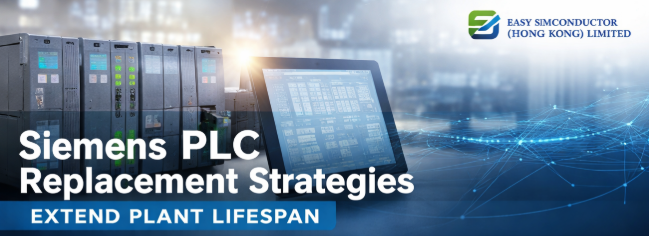
As industrial plants increasingly rely on automation to maintain efficiency and competitiveness, the role of Programmable Logic Controllers (PLCs) has become more critical than ever. Siemens PLCs, known for their reliability and adaptability, have powered manufacturing and processing facilities for decades. However, with technological evolution accelerating, many plants face the challenge of aging PLC systems that may hinder operational efficiency, increase downtime risks, and escalate maintenance costs. This makes the topic of Siemens PLC replacement strategies a focal point for plant managers aiming to extend the lifespan of their facilities.
Understanding the Obsolescence Challenge
Industrial automation evolves rapidly, with new PLC models offering enhanced processing speed, expanded I/O capabilities, and integrated connectivity options. Legacy Siemens PLCs, though robust, often lack these modern features, making integration with current systems increasingly complex. Moreover, spare parts for older models can be scarce, leading to prolonged downtime during repairs. For plants operating on tight production schedules, these delays can result in significant financial losses. Consequently, a proactive approach to Siemens PLC replacement is essential to mitigate obsolescence risks while maintaining production continuity.
Assessment and Planning: The First Step
Effective PLC replacement begins with a thorough assessment of existing systems. Plant engineers must evaluate the age, performance, and maintenance history of current Siemens PLCs. This includes identifying modules nearing end-of-life, analyzing operational bottlenecks, and assessing compatibility with modern control networks. By mapping critical processes dependent on legacy PLCs, managers can prioritize replacements that will have the most immediate impact on reliability and productivity.
A strategic replacement plan should also consider budget allocation, downtime scheduling, and resource management. Phased upgrades, rather than wholesale replacements, allow plants to modernize control systems without halting production. This incremental approach ensures that essential processes remain operational while minimizing financial strain.
Selecting the Right Siemens PLC Models
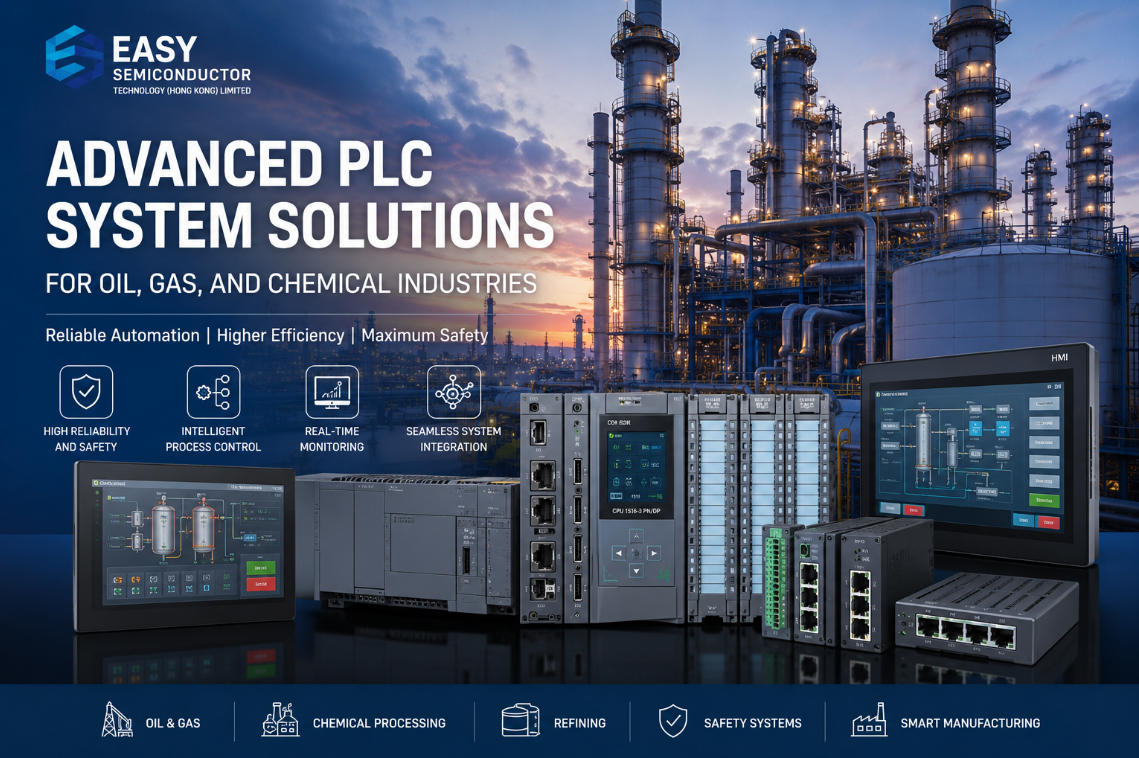
Choosing the appropriate replacement model is crucial. Siemens offers a diverse portfolio, including the S7-1200, S7-1500, and SIMATIC ET 200 series, each designed for different industrial applications. S7-1200 PLCs are ideal for small to medium-sized operations, providing high performance and flexible communication options. For more complex processes requiring advanced diagnostics and high-speed processing, the S7-1500 series offers robust capabilities and seamless integration with modern HMI and SCADA systems. The modular SIMATIC ET 200 series enables distributed control, reducing wiring complexity and improving scalability for large plants.
When selecting replacement models, plant managers should also evaluate compatibility with existing software and field devices. Siemens TIA Portal software simplifies migration by allowing programming, configuration, and diagnostics for both legacy and new PLCs, ensuring a smoother transition.
Implementing Replacement Strategies
Successful PLC replacement requires careful execution. Experienced automation engineers typically employ a step-by-step approach:
Backup and Documentation: Existing PLC programs, hardware configurations, and network settings are meticulously documented to prevent data loss.
Simulation and Testing: New PLC configurations are tested in simulation environments to identify potential issues before live deployment.
Gradual Integration: Replacements are implemented incrementally, allowing critical systems to remain operational and reducing the risk of downtime.
Training and Support: Operators and maintenance personnel receive comprehensive training on new PLC functionalities and troubleshooting techniques.
Additionally, some plants adopt hybrid strategies, retaining functional legacy PLCs while gradually integrating new Siemens modules. This approach maximizes investment in existing infrastructure while leveraging modern automation technology.
Benefits of Proactive Replacement
Plants that implement strategic Siemens PLC replacement programs experience numerous benefits. Reduced downtime enhances overall equipment efficiency (OEE), while modern PLCs enable predictive maintenance and real-time monitoring, improving process reliability. Furthermore, enhanced connectivity facilitates seamless integration with industrial IoT platforms, providing valuable insights into operational performance. In the long term, these upgrades extend plant lifespan, reduce operational costs, and strengthen competitiveness in the evolving industrial landscape.
Conclusion
As industrial automation continues to advance, the proactive replacement of Siemens PLCs is no longer optional—it is essential for maintaining plant reliability and efficiency. By carefully assessing legacy systems, selecting appropriate PLC models, and implementing phased replacement strategies, plant managers can safeguard their operations against obsolescence while extending the operational lifespan of their facilities. Companies like Easy Semiconductor Technology (Hong Kong) Limited are at the forefront of providing the expertise, spare parts, and solutions necessary for smooth Siemens PLC transitions, ensuring that industrial plants remain productive and resilient in 2026 and beyond.