
 home
home
 Published: May 18, 2026 11:42 AM
 Page View: 127
As industrial plants worldwide continue to modernize their automation systems, the replacement of legacy Siemens PLCs (Programmable Logic Controllers) has become a critical focus for maintenance teams, automation engineers, and plant managers. The year 2026 marks a pivotal point where aging control systems, limited spare part availability, and evolving production demands are driving strategic PLC replacement initiatives.
Understanding the Need for Siemens PLC Replacement
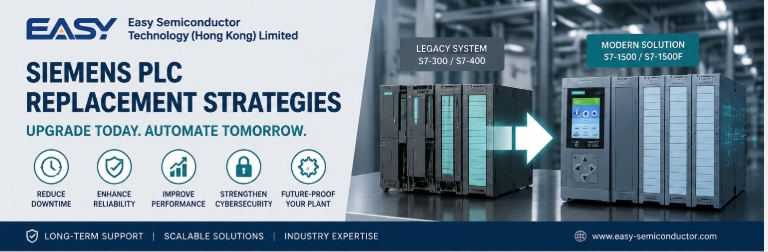
Siemens has long been a cornerstone in industrial automation, providing reliable PLC solutions such as the S7-300, S7-400, and the more recent S7-1500 series. However, many factories still operate older generations, which are increasingly prone to failures, slower processing speeds, and software compatibility challenges. The risks associated with legacy systems include unexpected downtime, costly repairs, and difficulties integrating with modern digital manufacturing platforms.
Moreover, Siemens’ official support for certain older PLC models has either ended or is slated for discontinuation. This scenario amplifies the urgency for a planned replacement strategy, rather than reactive emergency upgrades that can disrupt production schedules.
Strategic Approaches to PLC Replacement
Comprehensive Asset Assessment
The first step in any replacement strategy is a thorough assessment of the existing automation assets. Plants must identify which PLCs are nearing end-of-life, evaluate historical maintenance data, and consider the compatibility of existing control programs with newer Siemens platforms. By prioritizing PLCs that are critical to production, maintenance teams can plan a phased upgrade that minimizes operational disruption.
Migration to Modern Siemens Platforms
Siemens’ S7-1500 and S7-1500F series offer advanced features, including higher processing speed, enhanced cybersecurity, integrated motion control, and improved diagnostics. Migrating to these platforms ensures long-term support and scalability. Key considerations during migration include porting legacy ladder logic programs, updating HMI (Human-Machine Interface) systems, and validating I/O module compatibility.
Hybrid Replacement Strategies
In some cases, a full-scale replacement may not be feasible due to budget constraints or downtime limitations. Hybrid strategies allow plants to retain functional legacy PLCs while gradually integrating new Siemens controllers. This approach reduces immediate capital expenditure while maintaining operational stability. Hybrid systems require careful network planning and clear documentation to prevent communication conflicts between old and new controllers.
Leveraging Third-Party Support and Obsolete Parts
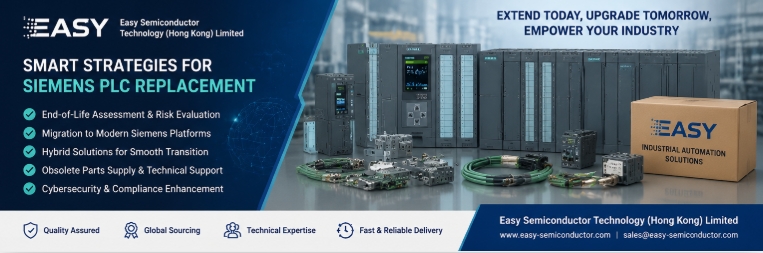
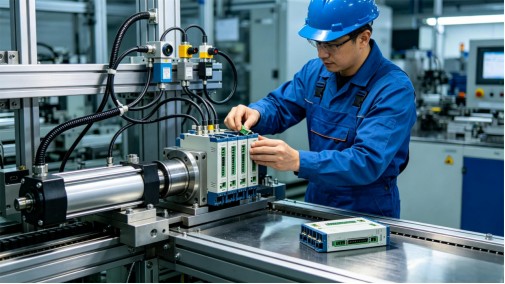
Easy Semiconductor Technology (Hong Kong) Limited emphasizes that sourcing obsolete PLC modules and compatible spare parts can extend the operational life of legacy Siemens PLCs during the transition period. Trusted suppliers provide certified replacements, refurbished units, and expert consultation, enabling plants to maintain production continuity while planning long-term upgrades.
Cybersecurity and Compliance Considerations
Modern industrial automation systems face increased cybersecurity threats. Legacy PLCs may lack the latest protection mechanisms, exposing plants to potential vulnerabilities. Upgrading to newer Siemens controllers not only improves operational efficiency but also enhances network security and compliance with international standards, such as IEC 62443.
Planning for a Smooth Transition
Effective Siemens PLC replacement strategies require detailed planning and collaboration across multiple departments, including engineering, operations, IT, and procurement. Key elements of a successful plan include:
Establishing a phased replacement schedule
Conducting pilot projects before full deployment
Training operators and maintenance staff on new systems
Ensuring backup and recovery procedures for critical control programs
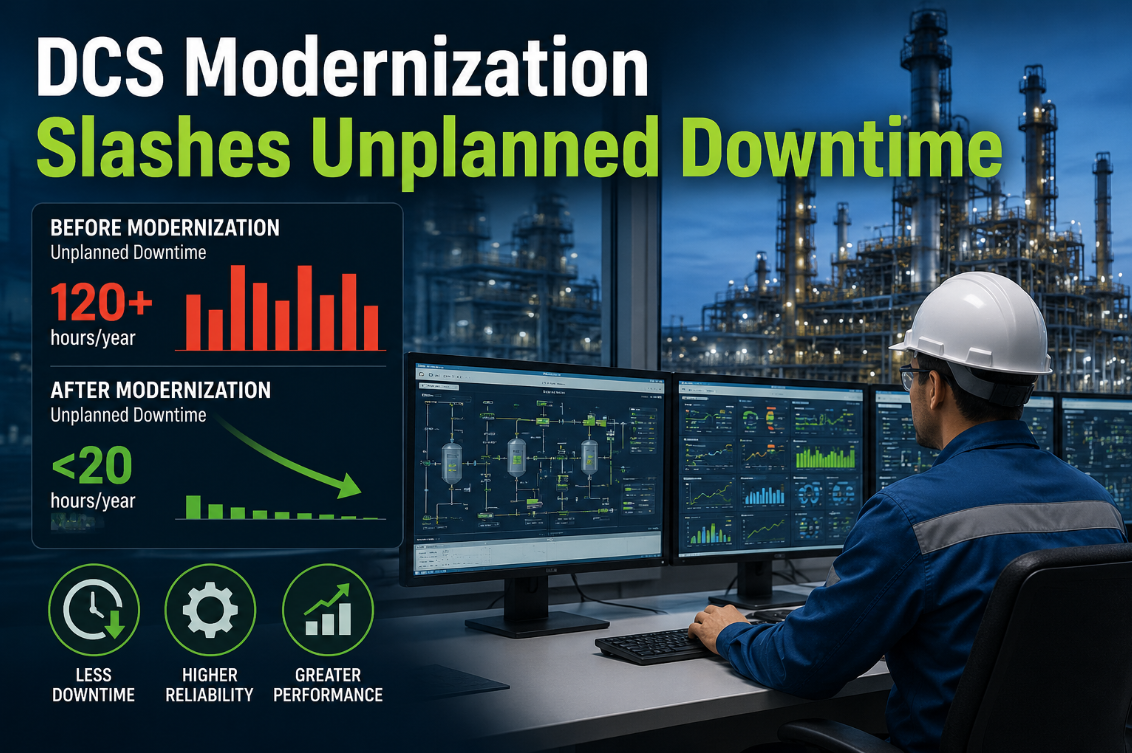
By implementing a structured replacement strategy, plants can reduce unplanned downtime, improve system reliability, and capitalize on the benefits of modern industrial automation technologies.
Future Trends in Siemens PLC Upgrades
Looking ahead, the industrial automation sector is moving toward increased digitalization, predictive maintenance, and integration with Industrial Internet of Things (IIoT) platforms. Siemens PLCs will play a central role in these transformations, providing flexible, high-performance controllers capable of handling complex automation tasks. Companies that proactively replace legacy systems are better positioned to leverage AI-driven analytics, real-time monitoring, and advanced production optimization tools.
Conclusion
The replacement of legacy Siemens PLCs is no longer a reactive measure; it is a strategic imperative for modern industrial operations. By combining comprehensive asset assessments, phased upgrades, hybrid strategies, and the support of reliable suppliers such as Easy Semiconductor Technology (Hong Kong) Limited, plants can ensure operational continuity, enhance cybersecurity, and future-proof their automation infrastructure.
As 2026 unfolds, companies that adopt proactive Siemens PLC replacement strategies will achieve greater efficiency, reduced downtime, and a competitive edge in an increasingly automated industrial landscape。