
 home
home
 Published: Apr 14, 2026 06:38 PM
 Page View: 111
Industrial automation is no longer just about controlling machines. It is about understanding data, optimizing performance, and enabling smarter decisions.
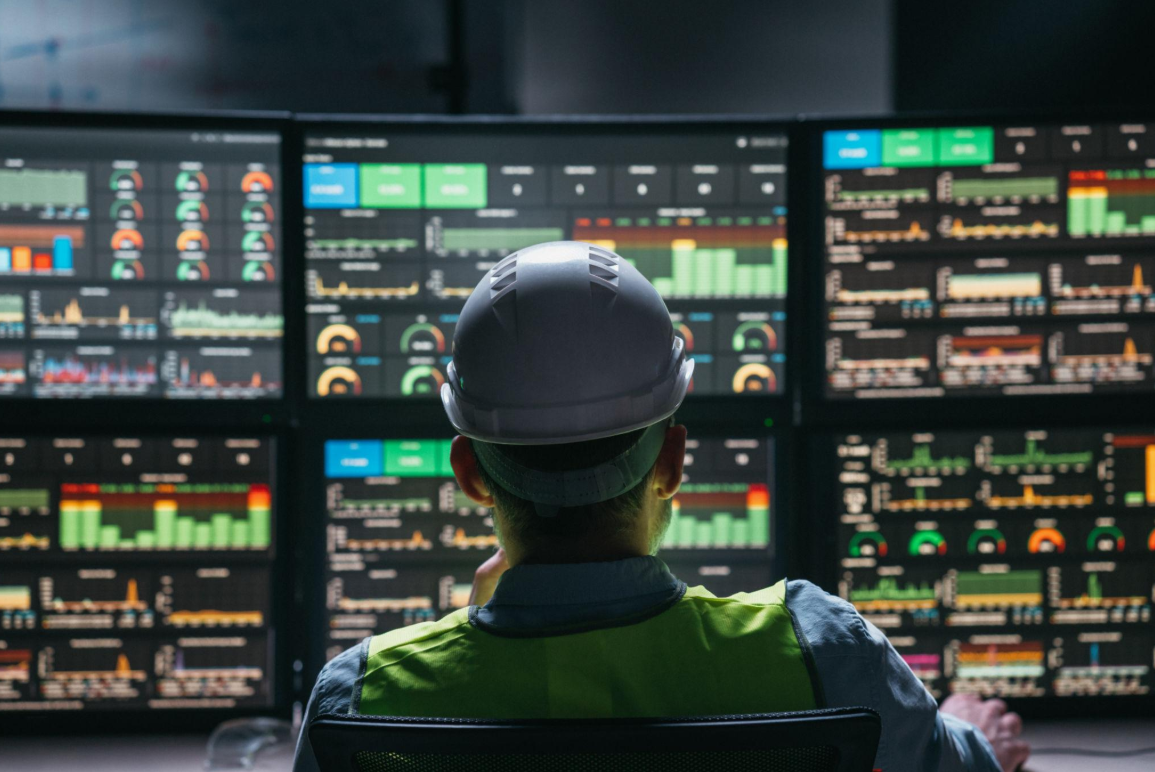
As we move deeper into 2026, the role of industrial control systems is rapidly shifting from execution to intelligence.
1. From isolated systems to connected factories
In the past, most automation systems operated independently. Today, that model is being replaced by fully connected industrial environments.
a. Machines, sensors, and PLCs are interconnected.
b. Real-time data flows across systems.
c. Production decisions are increasingly data-driven.
This transformation is powered by Industrial IoT. Companies that embrace connectivity early are already seeing improvements in efficiency and visibility.
Connectivity is no longer optional. It is a competitive advantage.
2. Edge computing is becoming standard
Cloud computing alone is no longer enough for modern industrial applications.
Why?
a. Latency issues
b. Dependence on stable internet
c. Increasing data transmission costs
That is why edge computing is becoming a standard feature in industrial control systems.
With edge-enabled solutions, companies can
d. process data locally in real time
e. reduce network load
f. improve system reliability
The future is clear: Control systems must think locally, not just globally.
3. The rise of smart PLCs
PLCs are no longer just logic controllers.
Modern PLCs are evolving into intelligent data nodes. They support
a. protocols like MQTT and OPC UA
b. enable real-time monitoring
c. contribute to predictive maintenance
This shift is changing how customers evaluate products.
It is no longer just about I O capacity. It is about communication capability, scalability, and integration flexibility.
4. Where are the opportunities
There is a growing demand for
a. flexible solutions
b. cost-effective alternatives
c. customizable systems
This is where hongkongeasy.com can create real value by offering
1) reliable industrial control products,
2) strong compatibility with existing systems,
3) tailored solutions for OEMs and system integrators.
We are seeing strong demand in smart manufacturing upgrades, energy management systems, water treatment automation, and remote monitoring solutions.These industries all require stable, connected, and scalable control systems.
Industrial control is entering a new era.From controlling machines to managing data to enabling intelligent decisions.Companies that adapt to this shift will not only improve efficiency but also redefine how factories operate.