
 home
home
 Published: Apr 10, 2026 02:18 PM
 Page View: 193
Published by: Easy Semiconductor Technology (Hong Kong) Limited
Ensuring the reliability of Programmable Logic Controller (PLC) systems is critical for industrial operations, as downtime can lead to significant production losses, safety risks, and compliance issues. As a leading provider of industrial automation components and solutions, Easy Semiconductor Technology (Hong Kong) Limited shares five actionable methods to enhance PLC system reliability, tailored for manufacturing, energy, marine, and other industrial sectors.
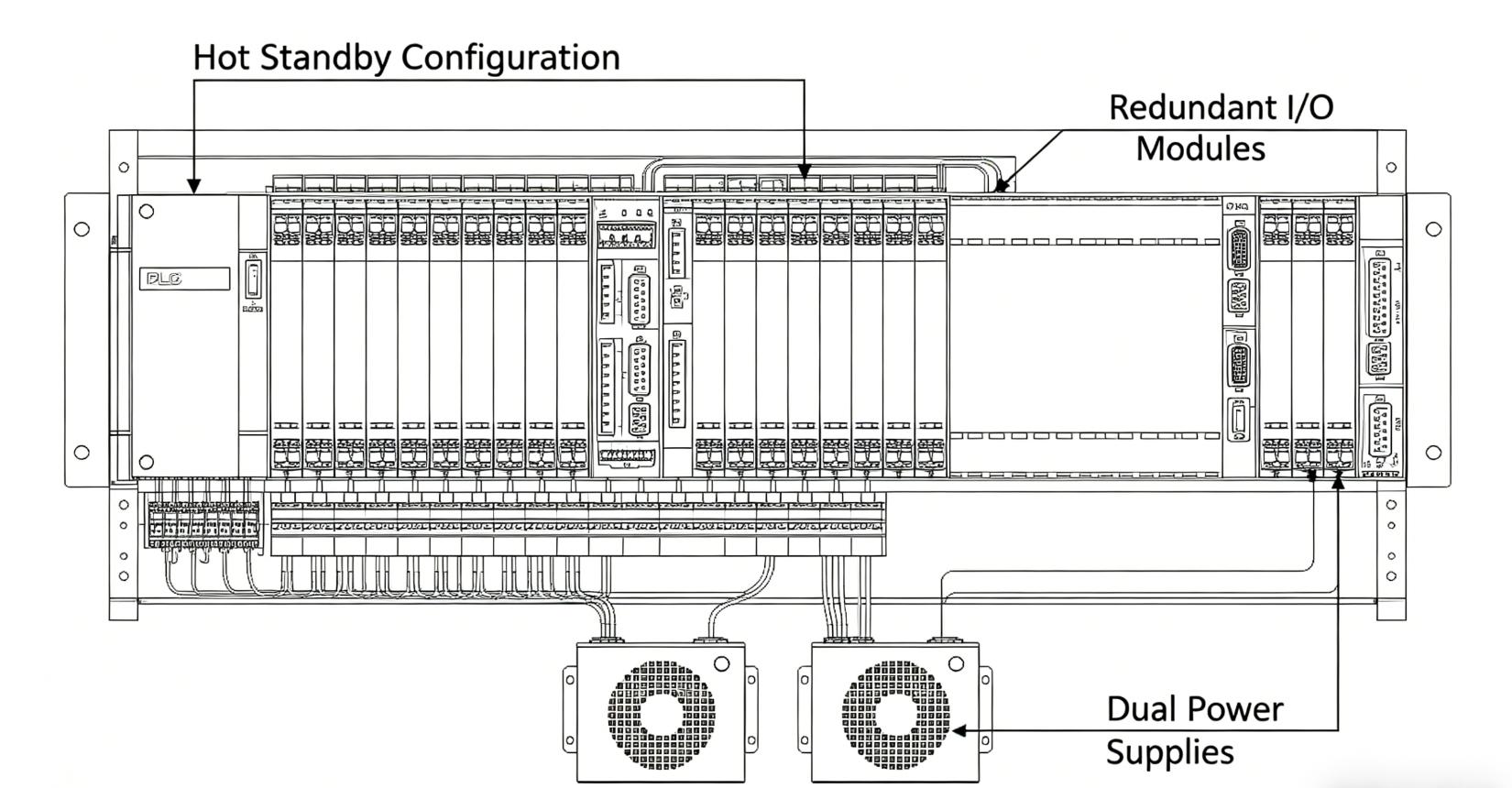
Eliminate single points of failure by deploying redundant PLC setups, which ensure uninterrupted operation if a primary controller or key component malfunctions.
Hot Standby Configuration: Use a primary PLC running in parallel with a backup PLC that synchronizes data in real time. In case of a fault, the backup takes over seamlessly with minimal (typically <50 ms) downtime, ideal for continuous processes like power generation and oil & gas.
Redundant I/O Modules: Install hot-swappable I/O modules to replace faulty modules without shutting down the system, reducing replacement downtime by up to 89%.
Dual Power Supplies: Equip the PLC system with dual, independent power supplies to avoid complete power loss in case of one supply failure.
Unstable power and poor grounding are leading causes of PLC errors and hardware damage.
Surge Protection & UPS Integration: Install Surge Protection Devices (SPDs) with ≥20kA current capacity to clamp transient voltages from lightning or heavy machinery, and pair the PLC with an Uninterruptible Power Supply (UPS) to maintain operation during short outages[9].
Proper Grounding: Maintain a grounding resistance of <4Ω with single-point grounding and equipotential bonding to eliminate ground loops, which often cause signal errors in analog modules.
Filtered Power Inputs: Use isolation transformers and active harmonic filters to mitigate harmonic distortions from non-linear loads (e.g., variable frequency drives), reducing communication error rates by over 70%.
Well-structured software reduces human error, improves fault tolerance, and simplifies maintenance.
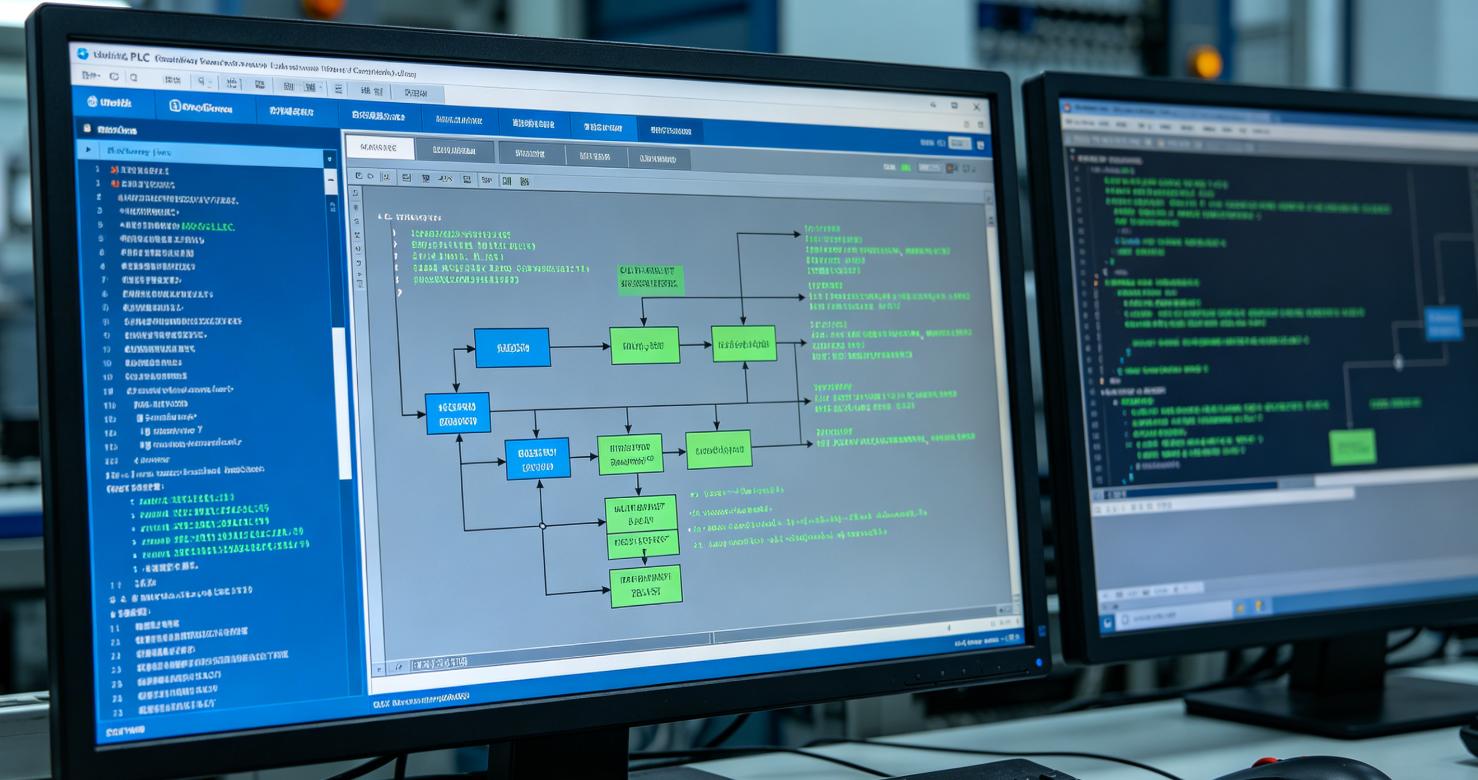
Modular Programming: Organize code into function-based routines with consistent naming conventions, making it easier to debug, update, and transfer between systems[11].
Robust Fault Handling: Integrate hardware interlocks, software checks, and watchdog timers (WDT) to monitor scan cycles. Trigger automatic alerts or safe state activations for anomalies like sensor drift or communication timeouts[7].
Real-Time Process Alignment: Ensure program logic accurately mirrors physical equipment behavior (e.g., input/output timing, interlocks) to prevent unexpected system responses and simplify troubleshooting[11].
Comprehensive Documentation: Add clear comments, tag descriptions, and operation manuals to facilitate knowledge transfer during staff changes or system upgrades[11].
Industrial environments expose PLCs to harsh conditions that degrade performance over time.
Controlled Enclosure Environment: Install PLCs in climate-controlled cabinets with dust filters, adequate ventilation, and thermal management (maintain 0–55°C operating temperature) to resist corrosion, humidity, and overheating[8].
Electrical Isolation: Use optical isolation or magnetic coupling for analog signals (isolation ≥1500 VAC) and shielded twisted-pair (STP) cables for communication lines. Separate power and signal cables by ≥300 mm to reduce electromagnetic interference (EMI).
Surge and Overvoltage Protection: Equip input/output modules with RC snubbers and surge suppressors to safeguard against short circuits and voltage spikes, preventing internal component damage[5].
Preventative maintenance reduces unplanned downtime by identifying issues before they cause failures.
Predictive Diagnostics: Leverage PLC built-in diagnostics and AI-driven anomaly detection to monitor real-time data (e.g., vibration, temperature, cycle times) and flag potential failures up to 72 hours in advance.
Regular Testing & Calibration: Schedule routine checks for sensors, I/O modules, and communication ports. Calibrate analog inputs/outputs quarterly and test failover mechanisms for redundant systems semi-annually[8].
Data Backup & Recovery: Store PLC programs, configurations, and logs on external servers with daily backups. Test recovery procedures quarterly to ensure rapid restoration in case of data corruption[8].
Remote Monitoring: Use cloud-based or edge computing platforms for real-time remote access, enabling quick troubleshooting and reducing on-site maintenance costs.
By combining redundant hardware, robust power management, optimized software, environmental hardening, and proactive maintenance, industrial facilities can significantly enhance PLC system reliability. At Easy Semiconductor Technology (Hong Kong) Limited, we specialize in providing high-quality PLC components, redundancy solutions, and maintenance services to support your industrial automation needs. Contact us to tailor a reliability improvement plan for your specific application.