
 home
home
 Published: May 29, 2026 12:48 PM
 Page View: 105
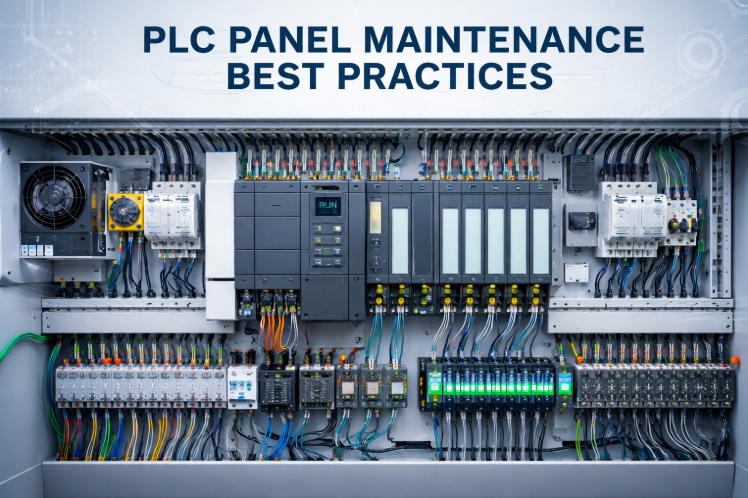
In today’s highly automated manufacturing environment, Programmable Logic Controllers (PLCs) are the backbone of production efficiency. Ensuring the reliability and longevity of PLC panels is essential to maintaining continuous operations, minimizing downtime, and safeguarding the quality of output. Easy Semiconductor Technology (Hong Kong) Limited highlights best practices for effective PLC panel maintenance, aiming to empower manufacturers with actionable strategies.
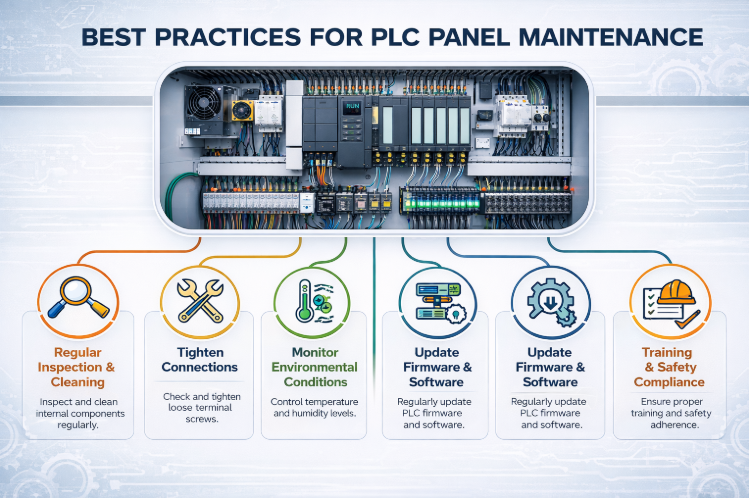
Understanding PLC Panel Maintenance
A PLC panel integrates a controller, input/output (I/O) modules, communication devices, power supply units, and protective components into a single enclosure. While PLCs are designed for durability, environmental factors, electrical disturbances, and operational wear can affect their performance over time. Proactive maintenance prevents unexpected failures, improves safety, and enhances overall plant productivity.
1. Regular Inspection and Cleaning
Routine inspection is the first line of defense against PLC panel failures. Dust, dirt, and moisture can accumulate inside panels, especially in industrial environments with high particulate matter. Technicians should visually inspect panels for signs of corrosion, loose connections, and damaged wiring. Cleaning should be performed using anti-static brushes or dry, lint-free cloths. Avoid the use of liquids unless specified by the manufacturer, as moisture can compromise sensitive electronic components.
2. Tightening Connections and Terminal Checks
Vibrations from heavy machinery can loosen terminal screws and connectors over time. Loose connections can lead to intermittent faults, overheating, or even complete system shutdowns. Maintenance teams should periodically verify all electrical connections, ensuring torque values meet manufacturer specifications. Implementing a checklist for terminal inspections helps standardize the process and reduces human error.
3. Monitoring Environmental Conditions
Temperature, humidity, and dust levels significantly influence PLC panel reliability. Panels should ideally be installed in controlled environments or protective enclosures. If panels are located in harsh conditions, consider adding cooling fans, air filters, or dehumidifiers. Additionally, monitoring devices can alert operators when temperature or humidity exceeds safe operational limits, enabling preventive action before critical failures occur.
4. Updating Firmware and Software
PLC systems rely on firmware and software to perform programmed operations accurately. Manufacturers should schedule regular firmware updates provided by PLC vendors to fix known bugs, improve performance, and enhance cybersecurity. Software backups are equally important; storing copies of PLC programs offsite ensures rapid recovery in case of system corruption or accidental deletion.
5. Implementing Predictive Maintenance Tools
Predictive maintenance uses data-driven approaches to anticipate potential failures. Sensors can monitor voltage fluctuations, current load, and component temperature within PLC panels. By analyzing these parameters, maintenance teams can detect anomalies before they escalate into downtime. Integrating predictive maintenance with Manufacturing Execution Systems (MES) enhances operational efficiency and supports informed decision-making.
6. Documenting Maintenance Activities
Maintaining accurate records of inspections, repairs, and upgrades is critical for long-term reliability. Documentation helps identify recurring issues, supports compliance with industry standards, and provides a reference for new maintenance personnel. A structured maintenance log should include dates, technician names, tasks performed, parts replaced, and observed conditions.
7. Training and Safety Compliance
PLC panel maintenance involves electrical work that requires skill and adherence to safety protocols. Regular training ensures that technicians understand the latest maintenance procedures, safety standards, and troubleshooting techniques. Compliance with local electrical regulations and safety guidelines protects both personnel and equipment.
Conclusion
Proper PLC panel maintenance is not merely a technical requirement—it is a strategic approach to safeguarding manufacturing continuity and operational excellence. By implementing regular inspections, tightening connections, monitoring environmental conditions, updating software, utilizing predictive tools, documenting maintenance, and ensuring personnel training, manufacturers can significantly extend the lifespan of their PLC systems.
Easy Semiconductor Technology (Hong Kong) Limited remains committed to supporting the industrial sector with solutions and guidance that optimize automation reliability and performance. Adopting these best practices ensures that PLC panels continue to drive productivity, minimize downtime, and contribute to long-term manufacturing success.