
 home
home
 Published: May 22, 2026 07:36 AM
 Page View: 114
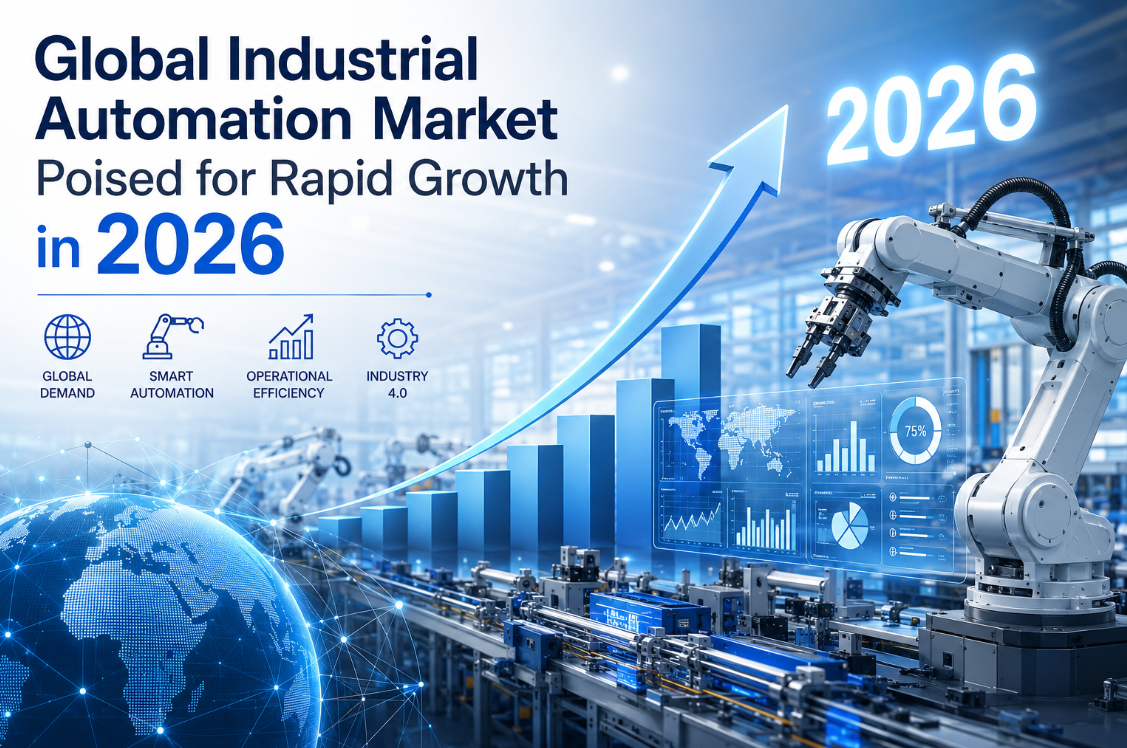
The global industrial automation market is on the cusp of a significant expansion in 2026, driven by the convergence of digital transformation, smart manufacturing, and the increasing adoption of advanced automation technologies. Manufacturers and industrial operators worldwide are leveraging automation solutions to enhance operational efficiency, improve product quality, and reduce downtime, positioning industrial automation as a strategic priority for the next decade.
Technological Advancements Fueling Growth
A major driver of market growth is the rapid development of cutting-edge automation technologies, including programmable logic controllers (PLCs), distributed control systems (DCS), robotics, and advanced sensors. These innovations are enabling manufacturers to achieve higher levels of process control, predictive maintenance, and real-time monitoring. For example, modern DCS and PLC upgrades now offer enhanced connectivity, cybersecurity features, and integration with Internet of Things (IoT) platforms, allowing operators to collect and analyze data more efficiently than ever before.
Artificial intelligence (AI) and machine learning (ML) are also making significant inroads into industrial automation. By analyzing vast amounts of operational data, AI-driven systems can detect patterns, predict equipment failures, and optimize production schedules. As a result, manufacturers can reduce unplanned downtime, lower maintenance costs, and increase overall equipment effectiveness (OEE).
Industry 4.0 and Smart Manufacturing
The transition to Industry 4.0 is another key factor driving the adoption of automation solutions. Smart factories, powered by interconnected devices and advanced analytics, are becoming a reality across sectors such as automotive, electronics, chemicals, and pharmaceuticals. In 2026, industry analysts expect smart manufacturing initiatives to accelerate, fueled by the need for operational resilience and flexibility.
Companies are increasingly investing in digital twin technology, which creates virtual replicas of physical assets, processes, and systems. These digital twins allow operators to simulate production scenarios, test process changes, and identify potential bottlenecks before implementing them on the shop floor. Combined with IoT-enabled sensors and cloud computing, these solutions are transforming traditional manufacturing operations into highly responsive, data-driven environments.
Regional Trends and Market Dynamics
Geographically, Asia-Pacific is projected to lead the industrial automation market in 2026, driven by rapid industrialization, growing automotive and electronics manufacturing, and government initiatives promoting smart manufacturing. Countries like China, Japan, and South Korea are at the forefront of adopting advanced automation technologies. North America and Europe also continue to see strong growth, with industries prioritizing automation to maintain competitiveness and adhere to stringent regulatory standards.
Supply chain resilience is increasingly influencing investment decisions. Manufacturers are adopting automation not only to improve efficiency but also to reduce dependency on manual labor and mitigate the risks of workforce shortages. The COVID-19 pandemic highlighted vulnerabilities in global supply chains, prompting companies to accelerate automation and digitalization efforts.
Market Challenges and Opportunities
Despite the promising growth outlook, the industrial automation market faces challenges. High upfront costs, complex integration requirements, and cybersecurity concerns are key barriers to widespread adoption. However, these challenges are driving innovation in scalable, modular solutions that are easier to deploy and manage. Vendors are also offering subscription-based models and cloud-native platforms, enabling smaller manufacturers to access advanced automation technologies without significant capital expenditure.
Additionally, the push toward sustainability is creating new opportunities for automation. Energy-efficient automation systems, process optimization software, and predictive maintenance solutions help reduce environmental impact while improving operational efficiency. Companies that align automation investments with sustainability goals are expected to gain a competitive edge in the 2026 market landscape.
Conclusion
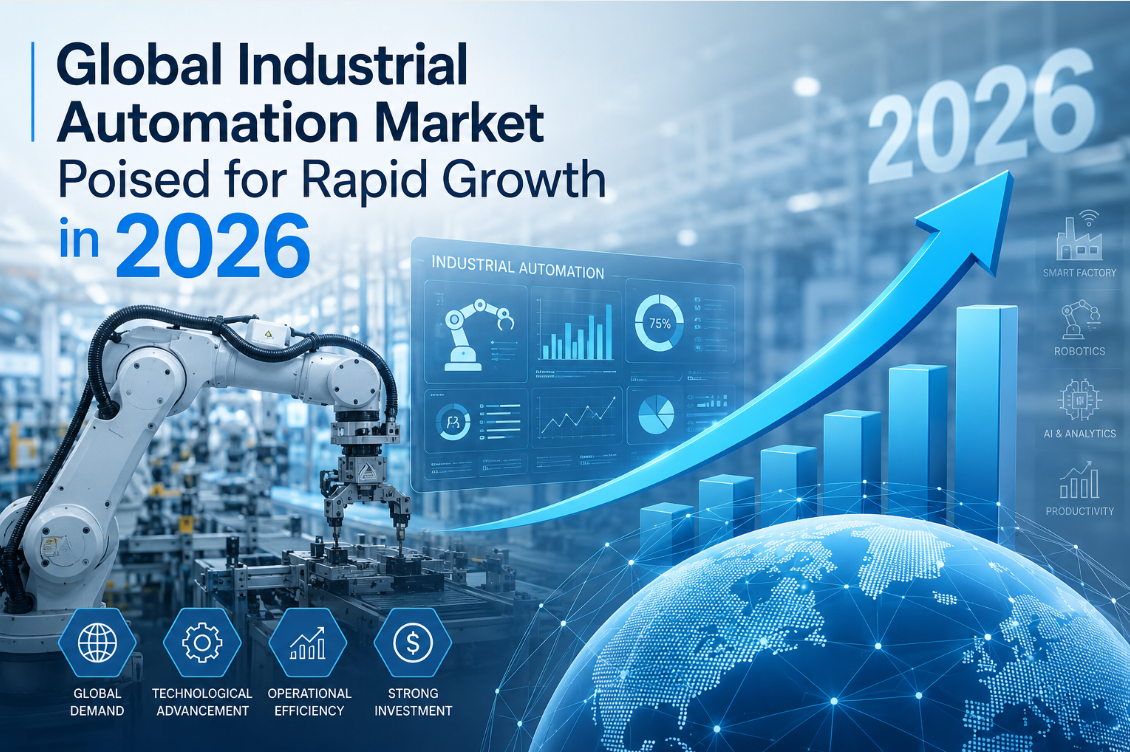
The industrial automation market in 2026 is poised for rapid growth, underpinned by technological advancements, the Industry 4.0 movement, and global manufacturing trends. By adopting smart, connected, and data-driven solutions, manufacturers can enhance productivity, improve quality, and achieve greater operational resilience. As the market expands, companies like Easy Semiconductor Technology (Hong Kong) Limited are well-positioned to provide state-of-the-art automation products and services, helping clients navigate the complexities of the evolving industrial landscape.