
 home
home
 Published: May 27, 2026 09:32 AM
 Page View: 113
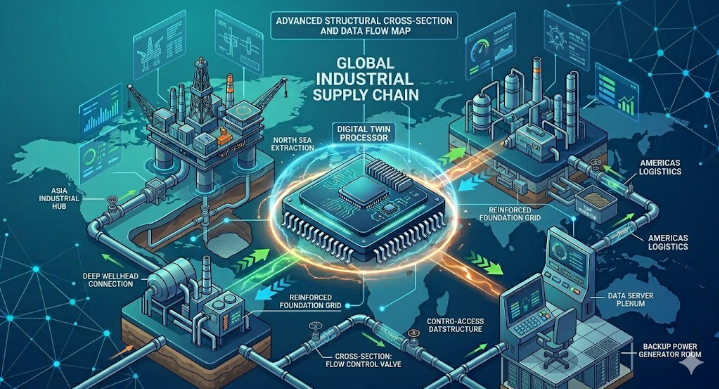
Global industrial trade has entered a new era where component shortages are no longer temporary disruptions but ongoing challenges that affect manufacturers, exporters, distributors, and end users worldwide. From semiconductor chips and automation modules to industrial sensors and power components, shortages continue impacting production schedules, shipping timelines, and customer relationships across multiple industries. For international trading companies such as Easy Semiconductor Technology (Hong Kong) Limited, developing effective strategies to manage supply chain uncertainty has become essential for long-term success.
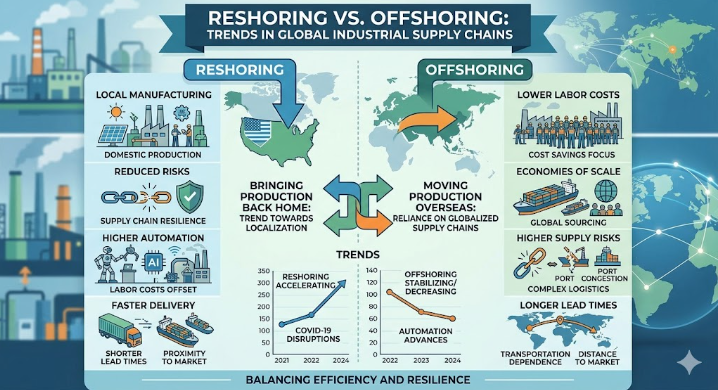
The causes of global component shortages are complex and interconnected. Rapid technological development, geopolitical tensions, rising transportation costs, factory shutdowns, raw material limitations, and increasing global demand have all contributed to unstable supply conditions. Industries such as automotive manufacturing, renewable energy, telecommunications, medical equipment, and industrial automation now compete for the same critical electronic components, creating additional pressure on global inventories.
One of the most effective strategies for overcoming shortages is supplier diversification. Companies that rely on a single manufacturer or regional supplier face significantly higher risks during disruptions. By building relationships with multiple suppliers across different countries and regions, businesses can reduce dependence on one supply source and improve flexibility when unexpected shortages occur. Many successful exporters now maintain supplier networks in Asia, Europe, and North America simultaneously to ensure continuity of operations.
Inventory management has also become a key competitive advantage in international trade. Traditional “just-in-time” inventory systems, once praised for reducing storage costs, have proven vulnerable during periods of global disruption. Today, many industrial trading companies are adopting hybrid inventory strategies that combine safety stock reserves with demand forecasting technologies. Maintaining strategic inventories of high-demand or hard-to-source components allows exporters to respond quickly to urgent customer requirements while minimizing downtime risks.
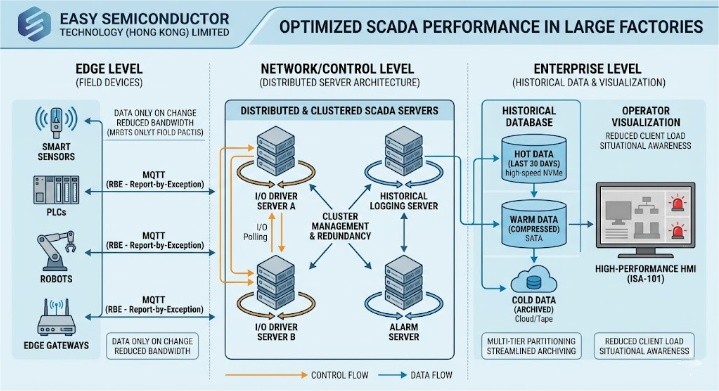
Digital supply chain technologies are playing an increasingly important role in shortage management. Advanced analytics, artificial intelligence, and real-time inventory tracking systems help companies monitor supply conditions more accurately and predict potential disruptions before they escalate. With improved data visibility, exporters can identify alternative sourcing opportunities, adjust procurement strategies, and communicate more effectively with customers regarding lead times and availability.
Strong relationships with manufacturers are equally critical. During periods of limited production capacity, manufacturers often prioritize long-term strategic partners over occasional buyers. Companies that maintain consistent purchasing volumes, transparent communication, and collaborative planning with suppliers are more likely to secure stable allocations during shortages. Trust and reliability have become valuable assets in the modern industrial supply chain environment.
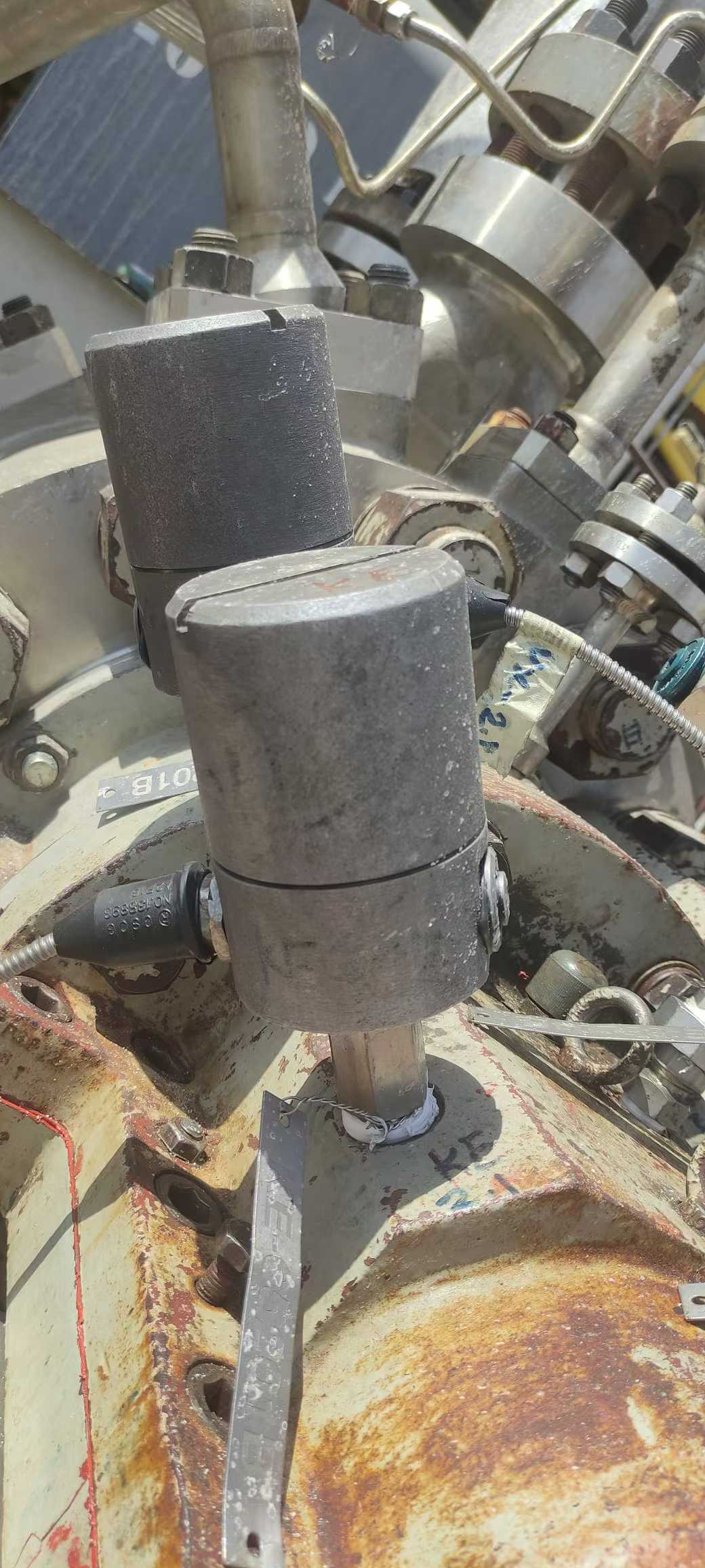
Another important strategy involves expanding expertise in obsolete and discontinued components. Many factories around the world continue operating legacy industrial equipment that requires older PLC modules, sensors, relays, and automation systems that are no longer in active production. As shortages affect newer products, demand for obsolete components often increases because businesses seek to extend the life of existing machinery instead of investing in complete system replacements. Specialized trading companies capable of sourcing rare or discontinued parts can provide critical support to industrial clients facing urgent maintenance requirements.
Flexible logistics planning is also essential in modern international trade. Transportation disruptions, port congestion, and rising freight costs continue affecting delivery schedules globally. Successful exporters now utilize multiple shipping methods, diversified logistics partners, and regional warehouse networks to improve delivery reliability. Air freight, sea freight, rail transportation, and regional distribution hubs may all be combined strategically depending on customer urgency and market conditions.
Customer communication has become another decisive factor in managing component shortages. Transparency regarding inventory availability, lead times, pricing fluctuations, and alternative solutions helps build trust during uncertain market conditions. Instead of waiting for delays to occur, proactive exporters communicate regularly with clients to provide updates and recommend substitute products or technical alternatives whenever possible. This consultative approach strengthens long-term customer relationships and enhances business credibility.
In addition to operational strategies, companies are increasingly investing in technical expertise and engineering support. Shortages sometimes require redesigning systems to accommodate alternative components or equivalent products from different manufacturers. Trading companies with strong technical knowledge can help customers identify compatible replacements, reduce integration risks, and maintain production continuity. This value-added support differentiates professional suppliers from simple product resellers.
Regional market analysis also plays an important role in overcoming supply chain disruptions. Demand patterns vary significantly between industries and countries. By closely monitoring regional trends, exporters can anticipate inventory shortages earlier and position stock more effectively. For example, rapid growth in renewable energy projects may increase demand for power semiconductors and industrial control systems in certain markets, while automotive sector expansion may create shortages in sensors and microcontrollers elsewhere.
Sustainability and circular economy practices are increasingly influencing supply chain strategies as well. Refurbishment, recycling, and remanufacturing of industrial components are gaining popularity as businesses seek cost-effective and environmentally responsible solutions. Reconditioned industrial automation modules and tested surplus inventory can provide reliable alternatives when new products are unavailable or excessively delayed.
Financial risk management has become another important consideration during periods of supply instability. Price volatility for electronic components can significantly affect profitability if not managed carefully. Many international trading companies now use flexible pricing agreements, forward purchasing strategies, and long-term procurement contracts to reduce exposure to sudden market fluctuations.
Looking ahead, global component shortages are likely to remain a recurring challenge as industries become increasingly digitized and interconnected. However, companies that invest in diversified sourcing, digital supply chain tools, technical expertise, flexible logistics, and strong supplier partnerships will be better positioned to navigate uncertainty successfully.
For industrial exporters and distributors, resilience is no longer optional—it has become a core business strategy. Companies capable of adapting quickly, communicating transparently, and delivering reliable solutions despite market disruptions will continue earning the trust of global customers in an increasingly competitive international trade environment.
As worldwide demand for industrial automation, semiconductor technologies, and electronic systems continues growing, businesses such as Easy Semiconductor Technology (Hong Kong) Limited are expected to play an increasingly important role in helping industries maintain stable operations, reduce downtime, and overcome the ongoing challenges of component shortages in global trade.