
 home
home
 Published: May 26, 2026 12:46 PM
 Page View: 112
As industries worldwide continue accelerating toward digital transformation and sustainable manufacturing, energy-efficient automation technologies have become a major driving force behind global industrial growth. Manufacturers across sectors such as semiconductor production, automotive assembly, food processing, pharmaceuticals, and electronics are increasingly investing in advanced automation systems that reduce energy consumption while maximizing productivity. For exporters and industrial solution providers, this trend represents not only an environmental responsibility but also a significant commercial opportunity.
According to industry analysts, global demand for energy-saving automation equipment has risen sharply in recent years due to stricter environmental regulations, rising electricity costs, and corporate sustainability commitments. Companies that adopt intelligent automation systems can reduce operational expenses, improve production consistency, and enhance competitiveness in international markets.
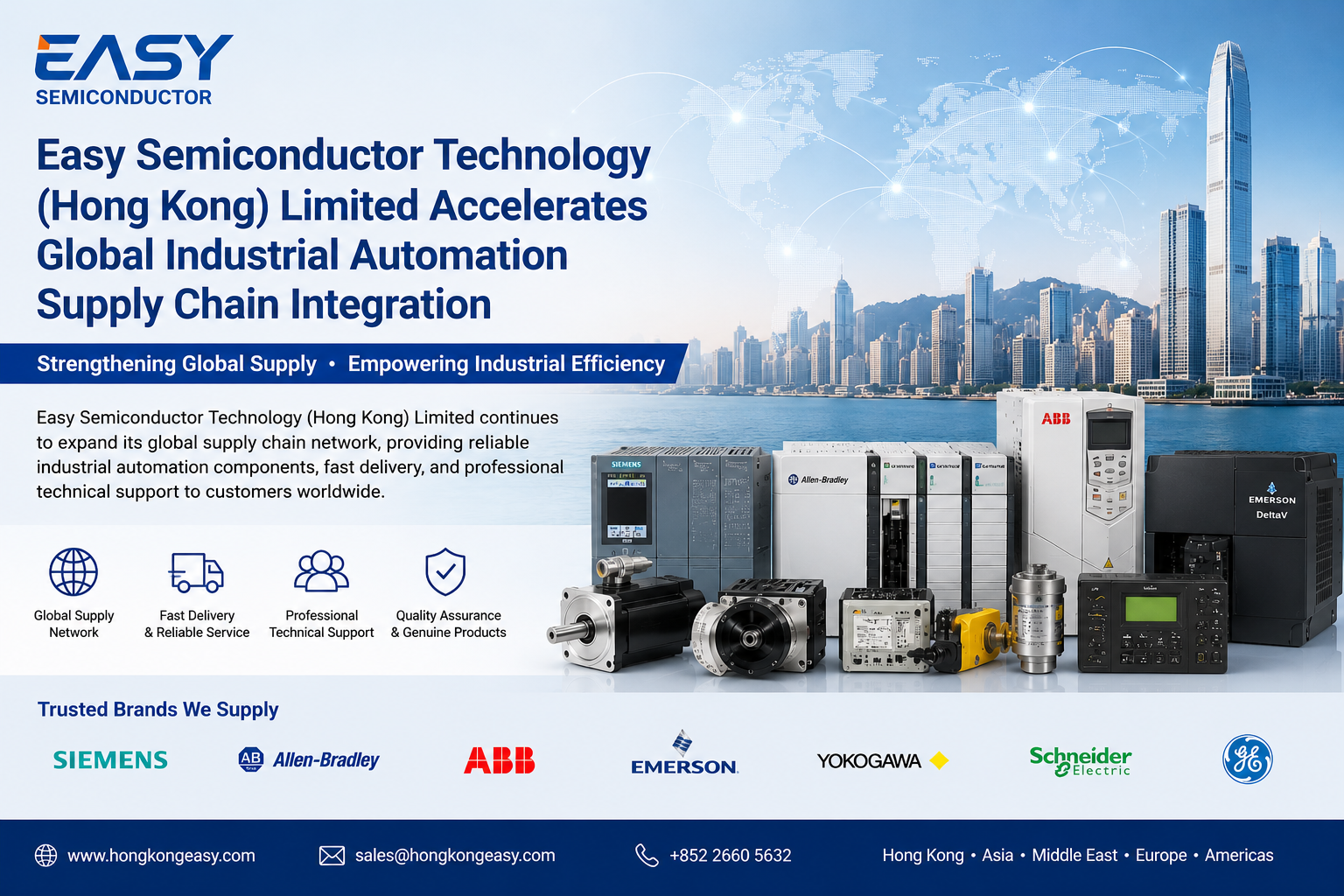
Easy Semiconductor Technology (Hong Kong) Limited recognizes the growing importance of energy-efficient automation and continues supporting global customers with advanced industrial equipment, semiconductor components, PLC modules, DCS systems, and smart manufacturing solutions designed to improve operational efficiency and long-term sustainability.
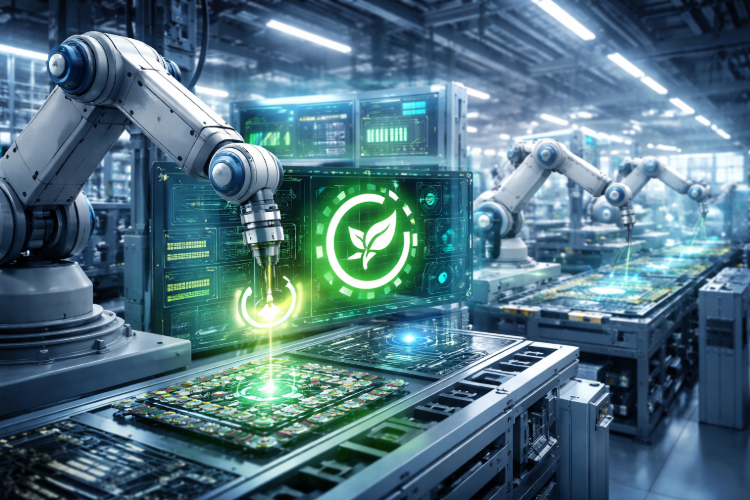
One of the primary reasons manufacturers are embracing energy-efficient automation is the steady increase in global energy prices. Industrial facilities consume enormous amounts of electricity every day, especially factories operating large-scale machinery, robotics, HVAC systems, and semiconductor manufacturing equipment.
Traditional manufacturing systems often waste energy through outdated motors, inefficient production scheduling, and excessive idle machine time. Modern automation technologies solve these challenges by integrating intelligent sensors, variable frequency drives (VFDs), real-time monitoring systems, and AI-powered production optimization tools.
By automating energy-intensive processes and continuously analyzing operational data, manufacturers can significantly reduce unnecessary power consumption. In many cases, factories implementing smart automation solutions report energy savings ranging from 15% to 40%, depending on the industry and production scale.
As global customers increasingly prioritize environmentally responsible suppliers, energy-efficient manufacturing has also become a powerful marketing advantage for exporters competing in international markets.
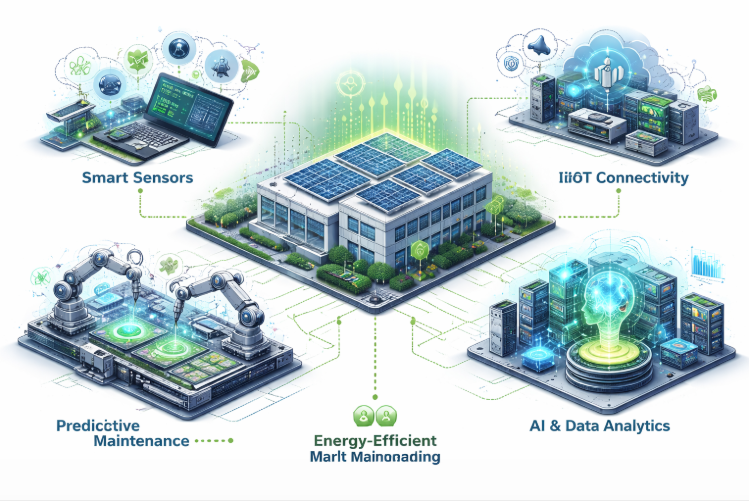
Smart sensors play a critical role in modern energy-efficient automation systems. These advanced devices continuously collect real-time data related to temperature, pressure, vibration, humidity, machine speed, and power consumption.
Unlike traditional monitoring systems, smart sensors can instantly identify inefficiencies and automatically adjust equipment performance to optimize energy usage. For example, automated production lines can reduce motor speed during low-demand periods or temporarily shut down unused equipment to minimize electricity waste.
In semiconductor manufacturing environments, where precision and environmental stability are essential, smart sensors help maintain consistent operating conditions while reducing energy-intensive fluctuations. This combination of accuracy and efficiency is especially valuable for manufacturers serving high-volume export markets.
Additionally, Industrial Internet of Things (IIoT) platforms allow factory managers to monitor energy performance remotely through cloud-based dashboards. Real-time analytics provide actionable insights that help manufacturers make informed operational decisions while reducing maintenance costs and downtime.
Industrial robotics has evolved far beyond traditional repetitive assembly tasks. Today’s intelligent robotic systems incorporate artificial intelligence, machine learning, and adaptive automation technologies capable of optimizing entire production workflows.
AI-driven robots can automatically adjust operating parameters based on production demands, material availability, and energy pricing. This flexibility allows manufacturers to maximize output while minimizing resource consumption.
Collaborative robots, commonly known as cobots, are also gaining popularity because of their energy efficiency and versatility. Compared to older industrial robots, modern cobots consume less electricity, require less floor space, and can safely work alongside human operators.
For exporters facing growing pressure to meet environmental standards in Europe, North America, and Asia-Pacific markets, adopting energy-efficient robotics solutions can significantly improve regulatory compliance and brand reputation.
Easy Semiconductor Technology (Hong Kong) Limited continues helping industrial clients source reliable automation components that support intelligent robotics integration, factory modernization, and long-term operational efficiency.
Another major advantage of energy-efficient automation technologies is predictive maintenance. Traditional maintenance strategies often rely on fixed service schedules or reactive repairs after equipment failures occur. Both approaches can lead to unnecessary energy consumption and costly production interruptions.
Predictive maintenance systems use AI algorithms, sensor data, and machine learning to detect early signs of equipment wear or performance decline. This allows maintenance teams to address issues before major failures occur.
For example, a malfunctioning motor may consume significantly more electricity before completely breaking down. Predictive maintenance software can identify abnormal energy usage patterns and trigger maintenance alerts immediately.
This proactive approach not only reduces downtime but also extends equipment lifespan, improves production reliability, and lowers overall energy consumption.
In highly competitive export industries, minimizing production interruptions is essential for meeting international delivery schedules and maintaining customer satisfaction.
Governments worldwide are implementing stricter environmental regulations aimed at reducing industrial carbon emissions and improving energy efficiency. Policies promoting sustainable manufacturing are encouraging companies to upgrade outdated production systems and invest in advanced automation technologies.
In regions such as the European Union, energy efficiency standards for industrial equipment continue becoming more demanding. Manufacturers exporting products to international markets must increasingly demonstrate compliance with environmental requirements throughout their supply chains.
Tax incentives, green manufacturing grants, and carbon reduction initiatives are also accelerating global adoption of energy-efficient automation systems.
As a result, suppliers offering environmentally responsible industrial solutions are gaining stronger positions in international markets. Companies that delay modernization may face increasing operational costs, regulatory challenges, and reduced competitiveness.
The future of industrial manufacturing will be closely connected to energy efficiency, digital transformation, and intelligent automation. As sustainability becomes a core business priority, global demand for advanced automation technologies is expected to continue growing rapidly.
Emerging technologies such as digital twins, edge computing, AI-powered analytics, and fully autonomous smart factories will further enhance industrial energy optimization capabilities. Manufacturers that invest early in these technologies will likely achieve stronger productivity, lower operating costs, and greater export opportunities.
For industrial suppliers and exporters, energy-efficient automation represents more than a technological upgrade—it is a strategic pathway toward long-term global growth.
Easy Semiconductor Technology (Hong Kong) Limited remains committed to supporting customers worldwide with reliable industrial automation components, semiconductor equipment solutions, and advanced technologies that help businesses improve efficiency, reduce energy consumption, and strengthen competitiveness in the evolving global marketplace.