
 home
home
 Published: May 26, 2026 12:42 PM
 Page View: 115
As global industries continue evolving toward cleaner and more responsible production, green manufacturing has become a key competitive advantage for exporters worldwide. Environmental regulations, customer expectations, and international sustainability standards are reshaping how manufacturers design, produce, package, and distribute industrial products. Companies that embrace sustainable manufacturing practices are not only reducing environmental impact but also strengthening their position in global export markets.
Easy Semiconductor Technology (Hong Kong) Limited recognizes that sustainability is no longer optional in modern industrial production. From semiconductor manufacturing to industrial automation and electronic component exports, environmentally responsible operations are increasingly essential for long-term business success.
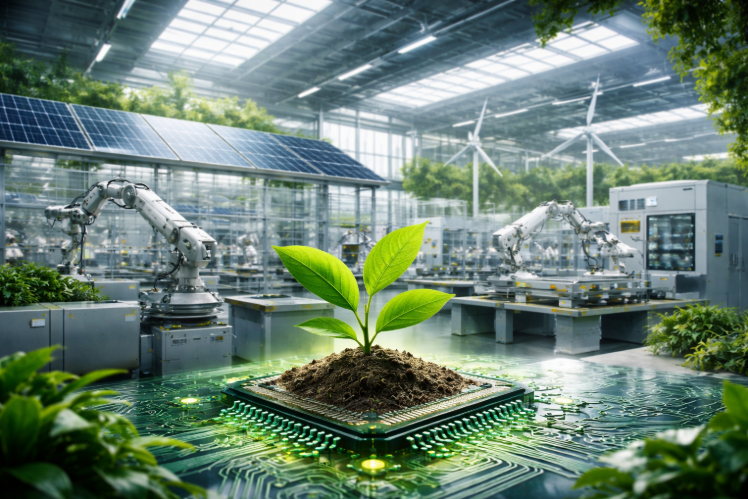
Green manufacturing refers to the process of minimizing waste, reducing energy consumption, and lowering emissions throughout the entire production lifecycle. Manufacturers are adopting environmentally friendly technologies and operational strategies to improve efficiency while meeting global sustainability goals.
In export-oriented industries, sustainability has become especially important because many international buyers now prioritize suppliers that follow environmentally responsible practices. Governments across Europe, North America, and Asia are also introducing stricter environmental regulations that directly impact industrial exporters.
As a result, companies that invest in green manufacturing technologies gain several advantages, including:
Improved operational efficiency
Reduced energy and material costs
Enhanced global brand reputation
Easier compliance with international regulations
Stronger relationships with environmentally conscious customers
For industrial exporters, sustainability is now closely linked to profitability and market expansion.
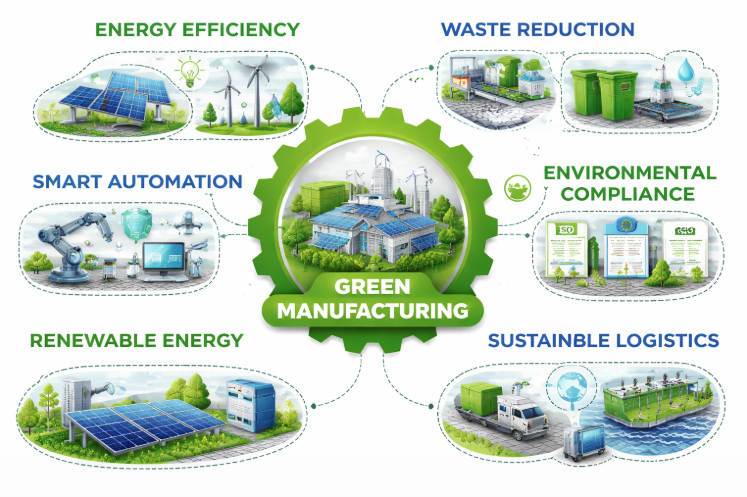
One of the most important elements of green manufacturing is improving energy efficiency inside factories and production facilities. Modern manufacturing equipment now incorporates smart energy management systems that significantly reduce electricity consumption without sacrificing productivity.
Advanced PLC systems, intelligent sensors, and industrial automation platforms help manufacturers monitor energy usage in real time. These technologies identify inefficiencies, reduce unnecessary machine operation, and optimize production scheduling.
Semiconductor manufacturing facilities, in particular, consume substantial amounts of energy due to highly sensitive production environments. Smart cooling systems, automated process control, and energy-efficient cleanroom technologies are helping manufacturers lower operational costs while reducing carbon emissions.
Industrial exporters that upgrade to energy-efficient systems can improve sustainability performance while maintaining high production quality and delivery reliability.
Reducing industrial waste is another major priority for modern manufacturers. Green production strategies focus on minimizing raw material waste, recycling reusable components, and improving resource utilization throughout the manufacturing process.
Digital manufacturing technologies such as AI-driven quality control systems and predictive maintenance solutions help reduce defective products and unnecessary material consumption. By detecting equipment problems early, manufacturers can prevent production errors and minimize scrap rates.
In semiconductor and electronic component manufacturing, material optimization is especially critical because many production materials are expensive and environmentally sensitive. Manufacturers are increasingly implementing closed-loop recycling systems to recover and reuse valuable materials during production.
Sustainable packaging solutions are also becoming more common in export logistics. Recyclable packaging materials, reduced plastic usage, and optimized shipping designs help lower transportation emissions and reduce environmental impact across global supply chains.
Industrial automation plays a vital role in supporting sustainable manufacturing goals. Smart factories equipped with IoT devices, robotics, and advanced analytics can achieve higher production efficiency with lower energy consumption and reduced waste.
Automated systems can continuously analyze machine performance, environmental conditions, and production output to optimize factory operations. Real-time monitoring enables manufacturers to make immediate adjustments that improve both productivity and sustainability.
For exporters, automation also improves supply chain visibility and inventory management. Better forecasting reduces overproduction, lowers storage requirements, and minimizes unnecessary transportation activities.
The integration of smart manufacturing technologies allows companies to maintain competitive export pricing while meeting growing environmental expectations from international customers.
Environmental regulations are becoming increasingly strict in global export markets. International buyers often require suppliers to comply with sustainability certifications and environmental standards before approving procurement contracts.
Manufacturers exporting industrial equipment, semiconductor components, and automation systems must now address requirements related to:
Carbon footprint reduction
Hazardous material restrictions
Electronic waste management
Energy efficiency standards
Sustainable sourcing practices
Compliance with international environmental standards such as RoHS, REACH, and ISO environmental certifications has become essential for accessing many overseas markets.
Companies that proactively invest in green manufacturing are better prepared to adapt to future regulations and avoid supply chain disruptions caused by non-compliance.
Sustainability efforts now extend beyond factory operations into global logistics and supply chain management. Exporters are increasingly working with environmentally responsible logistics providers to reduce transportation emissions and improve delivery efficiency.
Digital supply chain platforms help companies optimize shipping routes, reduce fuel consumption, and improve cargo utilization. Warehousing operations are also becoming more energy efficient through smart lighting systems, automated inventory management, and renewable energy integration.
Many industrial buyers now evaluate the sustainability performance of entire supply chains when selecting long-term suppliers. Exporters that demonstrate transparent environmental responsibility throughout logistics operations can strengthen their competitive position in international markets.
Renewable energy adoption is accelerating across the manufacturing sector. Solar power systems, wind energy, and energy storage technologies are helping industrial facilities reduce dependence on traditional energy sources.
Many factories are now installing rooftop solar systems and smart energy management platforms to support cleaner operations. Renewable energy integration not only reduces carbon emissions but also helps manufacturers manage rising electricity costs.
For export-oriented manufacturers operating in highly competitive industries, lower long-term energy expenses can improve profitability while supporting corporate sustainability objectives.
Green manufacturing will continue becoming a central priority for industrial exporters over the next decade. As governments strengthen environmental policies and customers demand greater transparency, sustainable production practices will increasingly influence global purchasing decisions.
Emerging technologies such as AI-powered energy optimization, digital twins, advanced recycling systems, and carbon tracking platforms will further accelerate the transition toward environmentally responsible manufacturing.
Companies that invest early in sustainable manufacturing solutions will be better positioned to succeed in evolving international markets.
Easy Semiconductor Technology (Hong Kong) Limited continues supporting industrial customers worldwide by providing reliable semiconductor components, automation solutions, and advanced technologies that contribute to efficient, sustainable, and globally competitive manufacturing operations.