
 home
home
 Published: May 21, 2026 12:23 PM
 Page View: 121
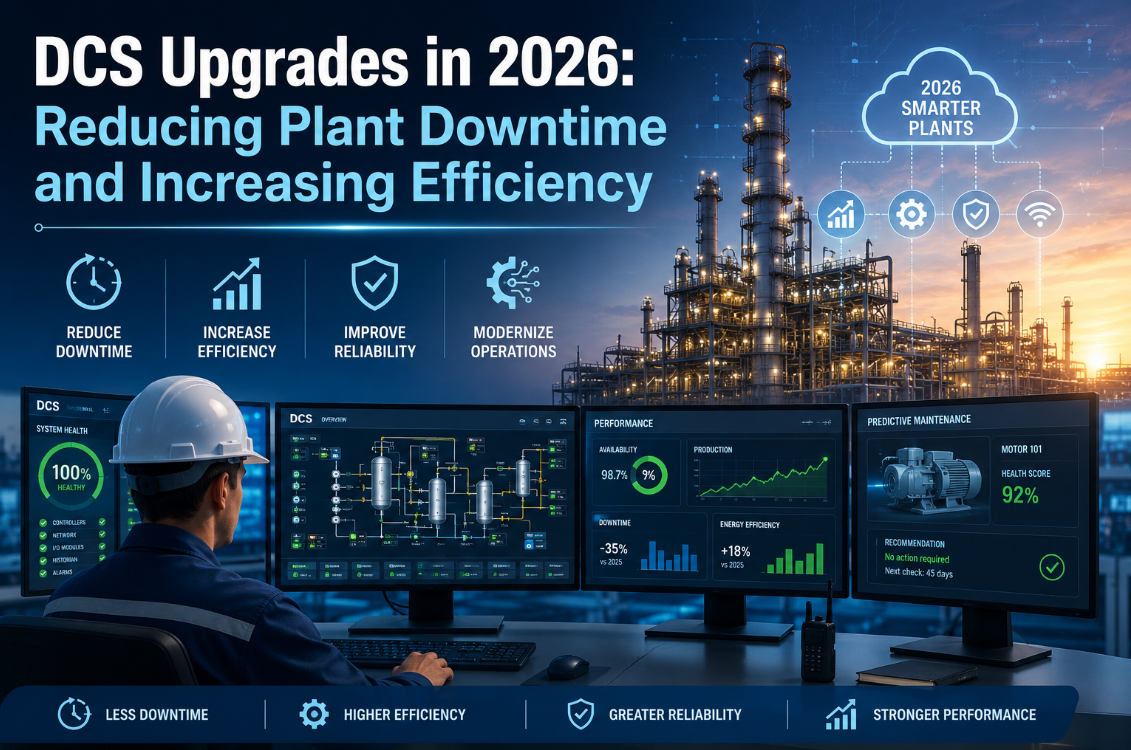
As the global industrial landscape evolves in 2026, manufacturing plants are increasingly turning their attention to Distributed Control System (DCS) upgrades to optimize operations and minimize costly downtime. Modern DCS platforms are not only critical for process automation but have become pivotal in enabling real-time data monitoring, predictive maintenance, and enhanced operational efficiency.
The Growing Importance of DCS Upgrades
Industrial facilities face mounting pressure to maintain continuous production while ensuring safety and regulatory compliance. Legacy DCS systems, many installed a decade or more ago, often struggle with limitations in scalability, cybersecurity, and integration with modern industrial Internet of Things (IIoT) technologies. Upgrading to the latest DCS solutions addresses these challenges by offering robust control architectures, faster processing speeds, and enhanced diagnostics.
“Many plants underestimate the cost of downtime until an unexpected system failure occurs,” says a senior automation engineer at Easy Semiconductor Technology. “A modern DCS upgrade can significantly reduce unplanned interruptions and optimize throughput, directly impacting a plant’s bottom line.”
Reducing Downtime Through Predictive Maintenance
One of the most significant benefits of modern DCS platforms is their ability to support predictive maintenance. By continuously monitoring process variables and equipment health, upgraded systems can detect anomalies before they escalate into failures. This proactive approach enables maintenance teams to schedule repairs and replacements during planned downtime, avoiding costly production halts.
Furthermore, modern DCS platforms integrate advanced analytics and machine learning algorithms to identify patterns that human operators may miss. This predictive capability not only enhances equipment reliability but also extends the lifespan of critical assets such as turbines, pumps, and compressors.
Enhancing Operational Efficiency
Beyond downtime reduction, DCS upgrades in 2026 are driving operational efficiency improvements across multiple dimensions. Modern control systems offer improved process control accuracy, which translates into reduced energy consumption, better product quality, and lower waste. Real-time visibility into operations allows operators to make informed decisions quickly, ensuring consistent production performance.
Additionally, newer DCS systems often feature modular and scalable designs, enabling plants to expand operations without undergoing extensive infrastructure changes. Integration with cloud-based platforms and remote monitoring capabilities further enhances flexibility, allowing engineers and managers to access critical operational data from anywhere in the world.
Ensuring Cybersecurity and Compliance
Cybersecurity remains a top concern for industrial operations. Legacy DCS systems often lack advanced security features, leaving them vulnerable to cyberattacks that can disrupt production or compromise sensitive data. Upgraded DCS platforms in 2026 come equipped with robust security measures, including network segmentation, encryption, and secure user authentication protocols.
Compliance with international safety and environmental standards is also facilitated by modern DCS systems. Advanced alarm management, automated reporting, and audit-ready documentation simplify regulatory adherence, reducing the risk of penalties and operational interruptions.
Cost Considerations and ROI
While DCS upgrades require an upfront investment, the long-term benefits far outweigh the initial costs. Reduced unplanned downtime, improved process efficiency, and lower maintenance expenses contribute to a strong return on investment (ROI). Many plants report that the payback period for a well-planned DCS upgrade ranges from 18 to 36 months, depending on system complexity and operational scale.
Conclusion
As industrial facilities confront increasing demands for efficiency, safety, and sustainability, DCS upgrades in 2026 are proving to be a strategic imperative. By reducing downtime, enabling predictive maintenance, enhancing operational efficiency, and ensuring cybersecurity compliance, modern DCS solutions empower manufacturers to remain competitive in an evolving market.
Easy Semiconductor Technology (Hong Kong) Limited continues to support global manufacturers in navigating these upgrades, providing expert consultation, system integration, and post-upgrade support. As the industry moves forward, embracing DCS modernization is no longer optional—it is essential for long-term success and operational excellence.