
 home
home
 Published: May 20, 2026 09:34 AM
 Page View: 102
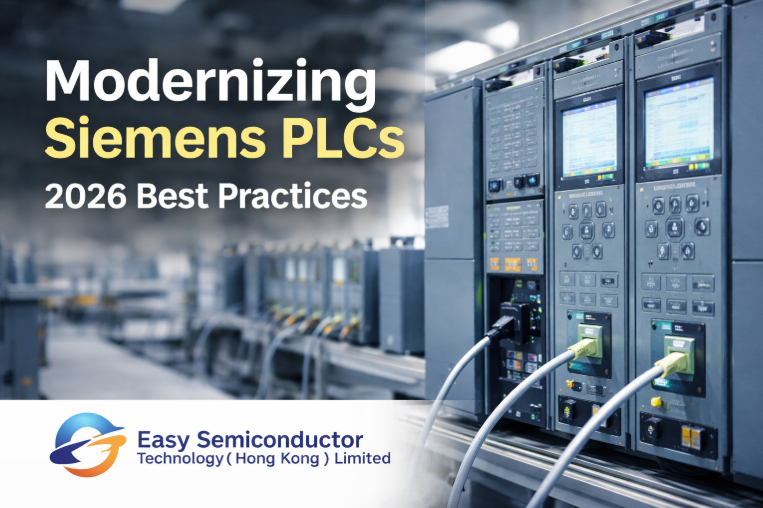
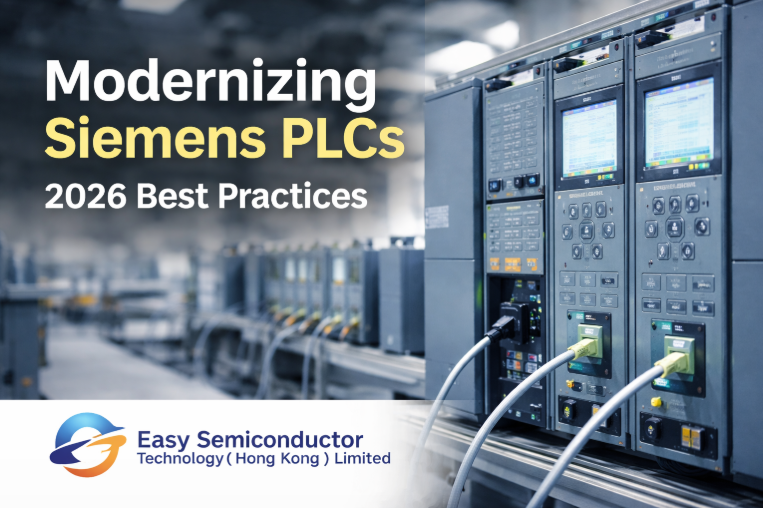
In 2026, industrial plants around the globe face a critical challenge: maintaining operational efficiency while navigating the obsolescence of legacy Siemens PLC systems. Many factories still rely on programmable logic controllers installed decades ago, which, although reliable in the past, now present increased risks of downtime, limited support, and compatibility issues with modern automation technologies. For industrial operators, modernizing these legacy PLC systems is no longer optional—it is a strategic necessity for sustaining plant performance and competitive advantage.
Understanding the Risks of Legacy PLCs
Legacy Siemens PLCs, such as the S5 and early S7 series, were designed for stability and long-term operation. However, they are increasingly prone to failures due to aging hardware, outdated firmware, and scarcity of replacement components. Manufacturers report that unexpected PLC downtime can result in significant production losses, safety risks, and increased maintenance costs. Furthermore, as Industry 4.0 and smart factory concepts gain traction, older PLCs often lack the connectivity, diagnostics, and integration capabilities required for modern automation networks.
Key Drivers for Modernization
Several factors drive companies to modernize their Siemens PLC systems:
Operational Reliability: Aging PLCs are vulnerable to hardware failures, which can lead to prolonged plant downtime. Upgrading to modern Siemens S7-1500 or S7-1200 systems provides enhanced diagnostic features and redundancy options, significantly reducing the risk of unplanned outages.
Integration with Digital Systems: Modern PLCs enable seamless integration with SCADA, MES, and IIoT platforms, facilitating real-time data collection and advanced analytics. This integration empowers predictive maintenance and more efficient process control.
Regulatory Compliance: Some industrial sectors face stricter safety and environmental standards. Upgrading PLCs ensures compliance with current regulations and mitigates risks of penalties or operational shutdowns.
Cost Efficiency: While replacing legacy PLCs requires upfront investment, it reduces long-term costs associated with emergency repairs, third-party support, and inefficiencies from outdated control systems.
Best Practices for PLC Modernization
Modernizing Siemens PLCs involves a strategic approach to minimize disruption while maximizing benefits. Industry experts recommend the following best practices:
Comprehensive System Audit: Conduct a detailed inventory of existing PLCs, identifying critical systems, spare parts availability, firmware versions, and integration dependencies. Understanding the current state is crucial for planning an effective upgrade strategy.
Phased Migration: Instead of replacing all legacy PLCs simultaneously, a phased approach mitigates production risks. Start with non-critical systems to validate upgrade procedures and gradually migrate essential processes.
Hybrid Integration: In some cases, legacy PLCs can be retained temporarily while new PLCs are integrated in parallel. Using protocol converters or gateway modules allows modern systems to communicate with older controllers during the transition period.
Standardized Hardware and Software Platforms: Aligning upgrades with Siemens’ latest PLC platforms ensures long-term support and simplifies maintenance. Standardized hardware also reduces spare parts inventory and technician training requirements.
Training and Knowledge Transfer: Modern PLCs come with advanced features and programming environments. Providing operators and maintenance staff with proper training ensures smooth adoption and maximizes the benefits of new systems.
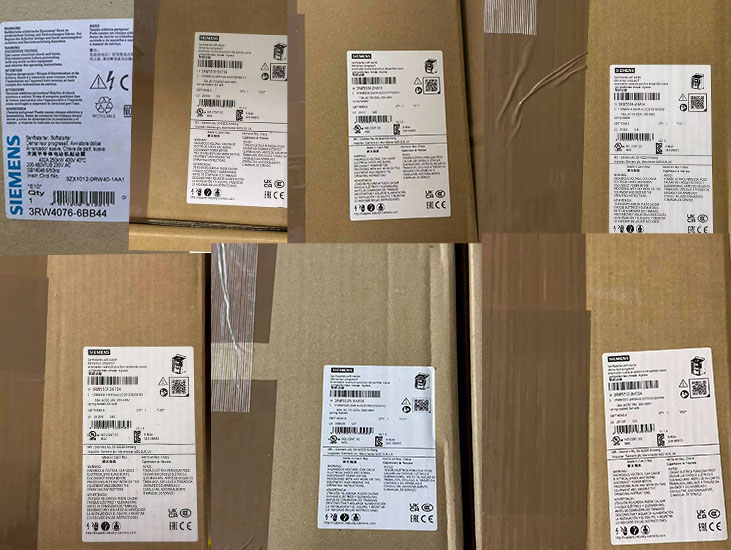
Collaboration with Reliable Suppliers: Partnering with reputable suppliers, such as Easy Semiconductor Technology (Hong Kong) Limited, guarantees access to authentic Siemens PLC modules, refurbished replacements, and technical support, ensuring a smoother modernization process.
Real-World Success Stories
Several multinational manufacturing plants have successfully modernized their Siemens PLC infrastructure in 2026. One chemical plant in Europe reported a 35% reduction in unplanned downtime after migrating from S5 controllers to S7-1500 PLCs, while also enabling advanced process monitoring and predictive maintenance. Similarly, a food processing facility in Asia achieved full integration with its MES system, resulting in optimized production scheduling and energy savings.
Looking Ahead: 2026 and Beyond
Modernizing legacy Siemens PLCs is not just a technical upgrade—it is a strategic investment in operational resilience and future readiness. As industrial automation continues to evolve, plants that adopt modern PLC systems can harness the full potential of digitalization, enhance reliability, and maintain competitiveness in a rapidly changing landscape. By following best practices, conducting careful planning, and partnering with trusted suppliers, industrial operators can successfully navigate PLC modernization in 2026 and ensure long-term plant sustainability.