
 home
home
 Published: May 18, 2026 11:34 AM
 Page View: 101
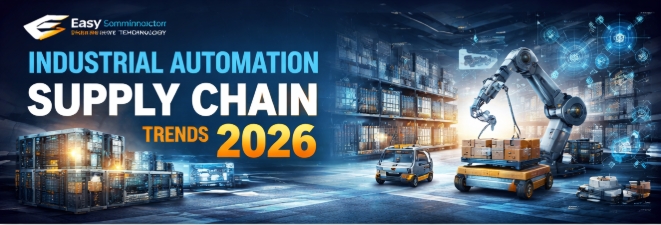
As industrial automation continues to advance at an unprecedented pace, the supply chain supporting these technologies is undergoing significant transformation. In 2026, manufacturers, distributors, and system integrators are facing both unprecedented opportunities and complex challenges as they adapt to evolving market demands. Understanding the emerging trends in industrial automation supply chains is critical for maintaining competitive advantage and ensuring operational resilience.
1. Increasing Demand for Obsolete and Legacy PLCs
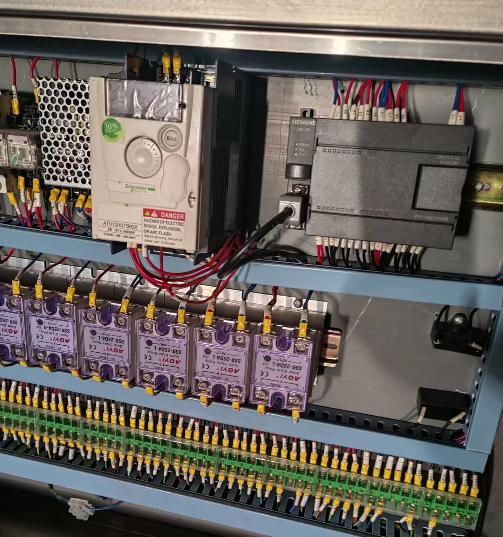
Despite the proliferation of next-generation programmable logic controllers (PLCs) and industrial control systems, demand for legacy and obsolete PLC modules remains strong. Many industrial facilities still operate older equipment that is incompatible with modern replacements. As these systems age, downtime risks increase, prompting companies to seek specialized suppliers capable of sourcing hard-to-find PLC modules. This trend emphasizes the importance of global sourcing networks, reverse logistics, and inventory management strategies that can ensure continuity of operations without disruption.
2. Emphasis on Supply Chain Visibility and Digital Twin Integration
By 2026, digital twins and advanced analytics are becoming standard tools for industrial supply chains. Manufacturers are leveraging real-time data to simulate, predict, and optimize supply chain performance. From component sourcing to production scheduling, these technologies enable organizations to identify bottlenecks, forecast disruptions, and proactively manage inventory. Companies investing in digital twin integration gain higher transparency and agility, allowing faster response to market fluctuations and unexpected equipment failures.
3. Diversification of Sourcing Strategies
The global industrial automation market is increasingly affected by geopolitical tensions, trade regulations, and regional supply constraints. Consequently, companies are diversifying their sourcing strategies to reduce dependency on single suppliers or regions. Multi-tier supplier networks, nearshoring, and partnerships with specialized distributors are becoming more prevalent. This approach mitigates risks associated with component shortages, shipping delays, and regulatory changes while enhancing supply chain resilience.
4. Sustainability and Green Supply Chains
Sustainability continues to be a driving factor in industrial automation supply chains. Manufacturers are now expected to meet environmental standards while maintaining operational efficiency. Eco-friendly practices, such as reducing electronic waste, implementing circular economy principles, and selecting suppliers with strong sustainability credentials, are increasingly influencing procurement decisions. Companies that integrate sustainable supply chain strategies not only meet regulatory requirements but also strengthen brand reputation in a competitive market.
5. Advanced Logistics and Smart Warehousing
Automation is reshaping warehouse operations and logistics in industrial supply chains. Autonomous guided vehicles (AGVs), robotic picking systems, and AI-driven inventory management are becoming common in smart warehouses. These technologies improve accuracy, reduce labor costs, and accelerate order fulfillment. In 2026, the focus is shifting toward integrating these solutions with enterprise resource planning (ERP) systems and supply chain management platforms to create seamless end-to-end operations.
6. Cybersecurity in Industrial Supply Chains
As industrial automation becomes increasingly connected, cybersecurity risks within supply chains are more pronounced. Hackers targeting control systems, industrial IoT devices, or supplier networks can disrupt production and compromise sensitive data. Companies are adopting stricter cybersecurity protocols, multi-layered authentication, and supplier vetting processes to protect their digital assets. In 2026, supply chain resilience is not just about logistics and inventory—it is equally about secure data management and risk mitigation.
7. The Role of AI and Predictive Analytics
Artificial intelligence (AI) and predictive analytics are transforming decision-making in industrial automation supply chains. These tools help forecast component demand, detect equipment failures before they occur, and optimize maintenance schedules. Companies utilizing AI can reduce downtime, minimize inventory costs, and enhance overall operational efficiency. In 2026, predictive analytics will become a core component of proactive supply chain management, enabling smarter procurement and resource allocation.
Conclusion
The industrial automation supply chain in 2026 is characterized by complexity, innovation, and adaptability. Organizations that can navigate the challenges of obsolete equipment, supply volatility, sustainability requirements, and cybersecurity threats will emerge stronger in a competitive market. By leveraging digital twins, AI, smart logistics, and diversified sourcing strategies, companies can ensure continuity of operations, reduce costs, and enhance resilience. For manufacturers and distributors, staying ahead of these trends is no longer optional—it is essential for long-term success.
Easy Semiconductor Technology (Hong Kong) Limited remains committed to providing expert solutions, sourcing obsolete PLCs, and supporting industrial automation supply chains worldwide.