
 home
home
 Published: May 17, 2026 04:37 PM
 Page View: 119
As 2026 unfolds, industrial facilities across the globe are facing a critical challenge: the growing risk of unexpected downtime caused by aging and legacy programmable logic controllers (PLCs). These once-reliable systems, the backbone of automated production, are increasingly vulnerable due to technological obsolescence, supply chain constraints, and evolving operational demands.
Legacy PLCs: A Silent Threat
Many industrial plants continue to rely on PLCs installed decades ago. While these systems were robust in their time, their age now introduces significant reliability risks. Components deteriorate over time, spare parts become scarce, and outdated communication protocols struggle to integrate with modern automation networks. The result is an elevated likelihood of system failures, unplanned stoppages, and costly production interruptions.
According to industry reports, facilities that depend heavily on legacy PLCs are experiencing downtime incidents at rates 30–50% higher than plants operating with modern control systems. Unexpected failures are no longer rare occurrences—they are an imminent operational hazard.
The Root Causes of PLC Vulnerability
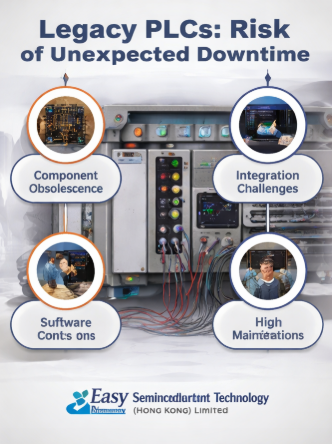
Component Obsolescence: Many legacy PLCs use proprietary modules and processors that are no longer manufactured. Repairing or replacing these components is becoming increasingly difficult, leaving maintenance teams scrambling for compatible parts or resorting to second-hand solutions.
Software Limitations: Old PLC programming environments often lack support for modern cybersecurity protocols, real-time diagnostics, and predictive maintenance tools. This not only limits operational efficiency but also exposes facilities to cyber threats.
Integration Challenges: Legacy PLCs may not communicate effectively with newer equipment, SCADA systems, or cloud-based analytics platforms. This creates operational silos, reduces visibility into production processes, and limits the benefits of digital transformation initiatives.
Increased Maintenance Costs: Maintaining aging PLCs demands specialized knowledge and labor-intensive troubleshooting. As experienced engineers retire or move on, knowledge gaps emerge, increasing the risk of errors during repair or reprogramming.
Impact on Industrial Operations
Unexpected downtime triggered by PLC failures can have cascading effects across production lines. In highly automated facilities, a single PLC malfunction can halt multiple processes, delay shipments, and incur financial losses that exceed initial repair costs. For industries like semiconductor manufacturing, pharmaceuticals, and energy production, even a brief interruption can compromise product quality and safety compliance.
Proactive Measures for 2026
Industry experts emphasize that plant managers must adopt proactive strategies to mitigate risks associated with legacy PLCs. Key recommendations include:
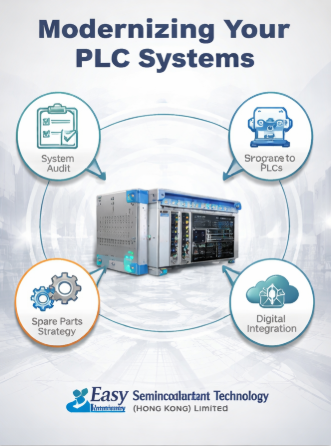
Comprehensive System Audit: Conduct a full inventory of existing PLCs, including age, firmware version, spare parts availability, and operational criticality. This helps prioritize replacement or upgrade schedules.
Modernization and Migration: Gradually replace obsolete PLCs with modern, modular controllers that support advanced diagnostics, networked communication, and predictive maintenance capabilities.
Spare Parts Strategy: Establish partnerships with global suppliers to secure critical spare parts for legacy systems while planning for long-term replacement.
Training and Knowledge Transfer: Invest in staff training and documentation to ensure expertise in both legacy and modern PLC platforms, reducing the likelihood of human error during maintenance or upgrades.
Digital Integration: Integrate upgraded PLCs with SCADA, MES, and cloud analytics platforms to enable real-time monitoring, predictive maintenance, and performance optimization.
Looking Ahead
The industrial landscape in 2026 demands a balance between continuity and modernization. Legacy PLCs that were once considered reliable are now potential points of failure. Plants that proactively address this risk can prevent costly downtime, improve operational efficiency, and maintain competitiveness in an increasingly automated and interconnected market.
Easy Semiconductor Technology (Hong Kong) Limited continues to monitor global industrial trends and provide tailored solutions to help facilities transition from legacy systems to next-generation automation platforms. By acting now, manufacturers can secure their operations against unexpected PLC failures and position themselves for long-term success in the digital industrial era.
About Easy Semiconductor Technology (Hong Kong) Limited
Easy Semiconductor Technology (Hong Kong) Limited is a leading provider of industrial automation solutions, specializing in PLC sourcing, upgrades, and system modernization. With extensive expertise in legacy and modern control systems, the company supports global clients in enhancing reliability, efficiency, and operational resilience.