
 home
home
 Published: Apr 14, 2026 04:19 PM
 Page View: 203
Why More Factories Are Rebuilding Their Control Systems in 2026
What if your current automation system is already holding your factory back without you realizing it?
Across industries, this is exactly what is happening. Many factories are now actively rebuilding or upgrading their control systems, not because of failure, but because traditional automation architectures are no longer aligned with today’s data-driven and connected industrial environment.
Many existing systems were designed around standalone PLCs and isolated control loops. While these systems remain stable for basic operations, they create structural limitations in modern production environments. Real-time data visibility is often limited, system expansion is complex, and integration between OT and IT layers remains inefficient. As a result, data is trapped in silos, predictive maintenance capabilities are restricted, and operational optimization potential is not fully realized.
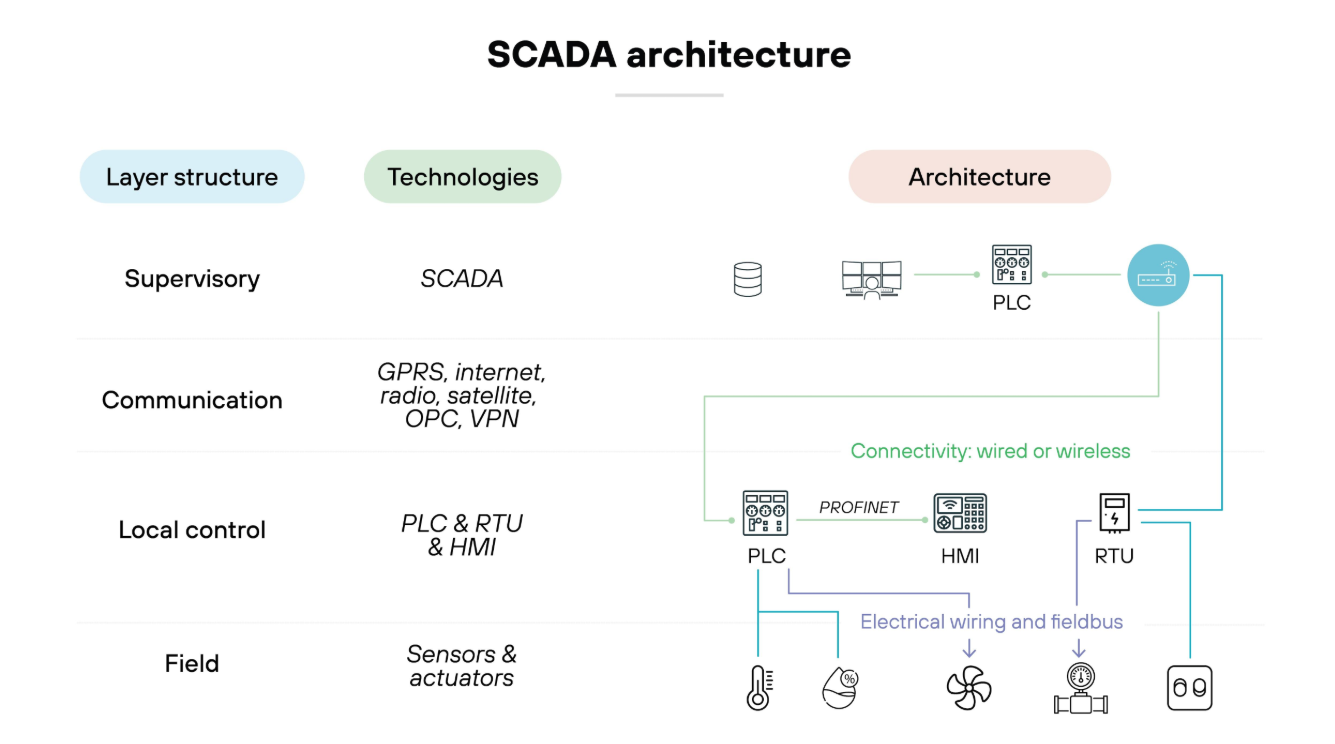
To overcome these challenges, the industry is rapidly moving toward a new standardized architecture based on a three-layer model: the field layer, the edge layer, and the cloud layer. The field layer is responsible for real-time control through PLCs and industrial devices. The edge layer enables local data processing and low-latency decision-making close to the production site. The cloud layer provides centralized monitoring, historical data analysis, and system-wide optimization. This distributed structure allows factories to achieve real-time visibility, improved responsiveness, and scalable system integration across different production environments.
Within this architecture, predictive maintenance has become one of the most impactful applications. By continuously collecting and analyzing machine and process data, factories can detect abnormal behavior early, reduce unexpected downtime, and optimize maintenance planning. The shift from reactive maintenance to predictive strategies is significantly improving equipment efficiency and reducing operational costs.
At the same time, cybersecurity has become a core requirement in industrial system design. As control systems become more connected and integrated with enterprise networks, the attack surface increases. Modern industrial solutions must therefore include secure communication protocols, user access control mechanisms, and network segmentation strategies to ensure safe and stable operation.
Alongside these technical changes, customer expectations have also evolved significantly. Today’s industrial buyers are no longer focused only on price or individual hardware specifications. Instead, they prioritize system compatibility, integration flexibility, remote monitoring capabilities, scalability, and complete solution support. Purchasing decisions are increasingly based on long-term system value rather than standalone components.
Within this evolving industrial landscape, hongkongeasy.com supports customers with practical and scalable industrial control solutions, including multi-protocol compatible products such as Modbus and OPC UA, reliable industrial communication devices, flexible configuration options, and integration support for system upgrades and automation projects.
Overall, industrial control systems are evolving from hardware-centric structures to software-enabled, data-driven ecosystems. Success in this new era will depend on the ability to deliver integrated, flexible, and future-ready solutions that support long-term operational efficiency and digital transformation.
If you are currently planning a system upgrade or looking to improve industrial connectivity and control performance, feel free to reach out or send a message. We can discuss how to support your application with the right solution.