
 home
home
 Published: May 17, 2026 04:32 PM
 Page View: 136
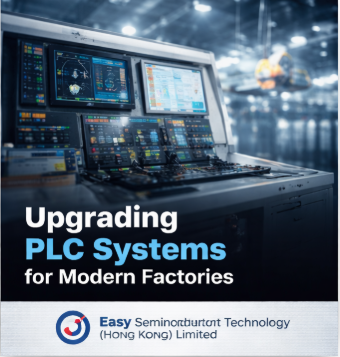
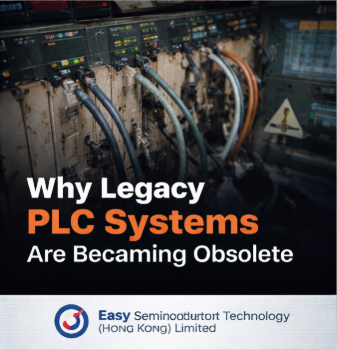
In today’s fast-evolving industrial landscape, legacy Programmable Logic Controller (PLC) systems are increasingly being recognized as a bottleneck to operational efficiency, safety, and scalability. While these systems once represented the cutting edge of automation, the rapid development of digital technologies and modern manufacturing demands has rendered many of them outdated. Modern factories are now confronted with the pressing need to upgrade or replace these legacy systems to maintain competitiveness, ensure production reliability, and leverage emerging Industry 4.0 technologies.
1. Aging Hardware and Limited Support
Legacy PLC systems, many of which were installed decades ago, face an inevitable challenge: aging hardware. Components such as CPUs, input/output modules, and communication cards wear out over time, leading to increased downtime and higher maintenance costs. Furthermore, manufacturers of older PLC models often discontinue support, making it difficult for plants to source replacement parts or receive technical assistance. This forces many operations to rely on third-party suppliers, which introduces reliability risks and potential compliance issues.
2. Incompatibility with Modern Networking and IoT
Modern factories demand interconnected systems capable of seamless communication across machines, departments, and even remote locations. Legacy PLCs, often designed before the proliferation of Ethernet and IoT protocols, struggle to integrate with contemporary industrial networks. As a result, factories face limitations in real-time monitoring, predictive maintenance, and advanced analytics—capabilities that are essential for operational efficiency and cost reduction in today’s smart factories.
3. Security Vulnerabilities
Cybersecurity is a growing concern in industrial automation. Legacy PLCs were designed in an era where connectivity and digital threats were minimal, meaning security features are often weak or non-existent. This exposes factories to cyberattacks, data breaches, and potential operational disruptions. Modern PLC systems, by contrast, offer advanced security protocols, encryption, and remote monitoring capabilities that protect industrial operations from evolving threats.
4. High Maintenance and Operational Costs
Maintaining legacy PLC systems can be both complex and costly. Older systems often require specialized technicians familiar with obsolete programming languages or proprietary software, which limits flexibility and increases labor costs. Additionally, unexpected failures can result in prolonged downtime, impacting productivity and revenue. As maintenance costs rise, the total cost of ownership of legacy systems can exceed the cost of modern replacement systems in the long run.
5. Limited Scalability and Flexibility
Today’s manufacturing environment is defined by rapid product changes, flexible production lines, and customized workflows. Legacy PLCs, constrained by limited processing power and rigid programming structures, are ill-suited for such dynamic requirements. Modern PLCs offer modular architectures and scalable platforms, allowing manufacturers to easily expand operations, integrate new equipment, or implement automation upgrades without overhauling entire systems.
6. Reduced Availability of Skilled Workforce
As older PLC systems become obsolete, finding engineers and technicians proficient in legacy programming languages and hardware is increasingly challenging. Workforce demographics are shifting toward younger professionals who are trained in modern automation platforms, leaving a shrinking pool of experts capable of supporting outdated systems. This shortage creates operational risks and makes upgrading to modern platforms not just a convenience but a strategic necessity.
7. Enhanced Industry 4.0 Integration
Modern manufacturing emphasizes data-driven decision-making, predictive maintenance, and artificial intelligence integration. Legacy PLCs, lacking advanced data analytics and connectivity features, hinder the adoption of these technologies. Transitioning to modern PLCs enables factories to implement smart manufacturing strategies, improve operational visibility, optimize resource utilization, and gain a competitive advantage in the market.
Conclusion
While legacy PLC systems have served the manufacturing industry faithfully for decades, their limitations are increasingly apparent in modern factory environments. Aging hardware, cybersecurity vulnerabilities, high maintenance costs, and incompatibility with modern technologies make them unsuitable for the demands of Industry 4.0. For industrial operators aiming to improve efficiency, reduce downtime, and embrace smart manufacturing, upgrading or replacing legacy PLCs is no longer optional—it is an imperative.
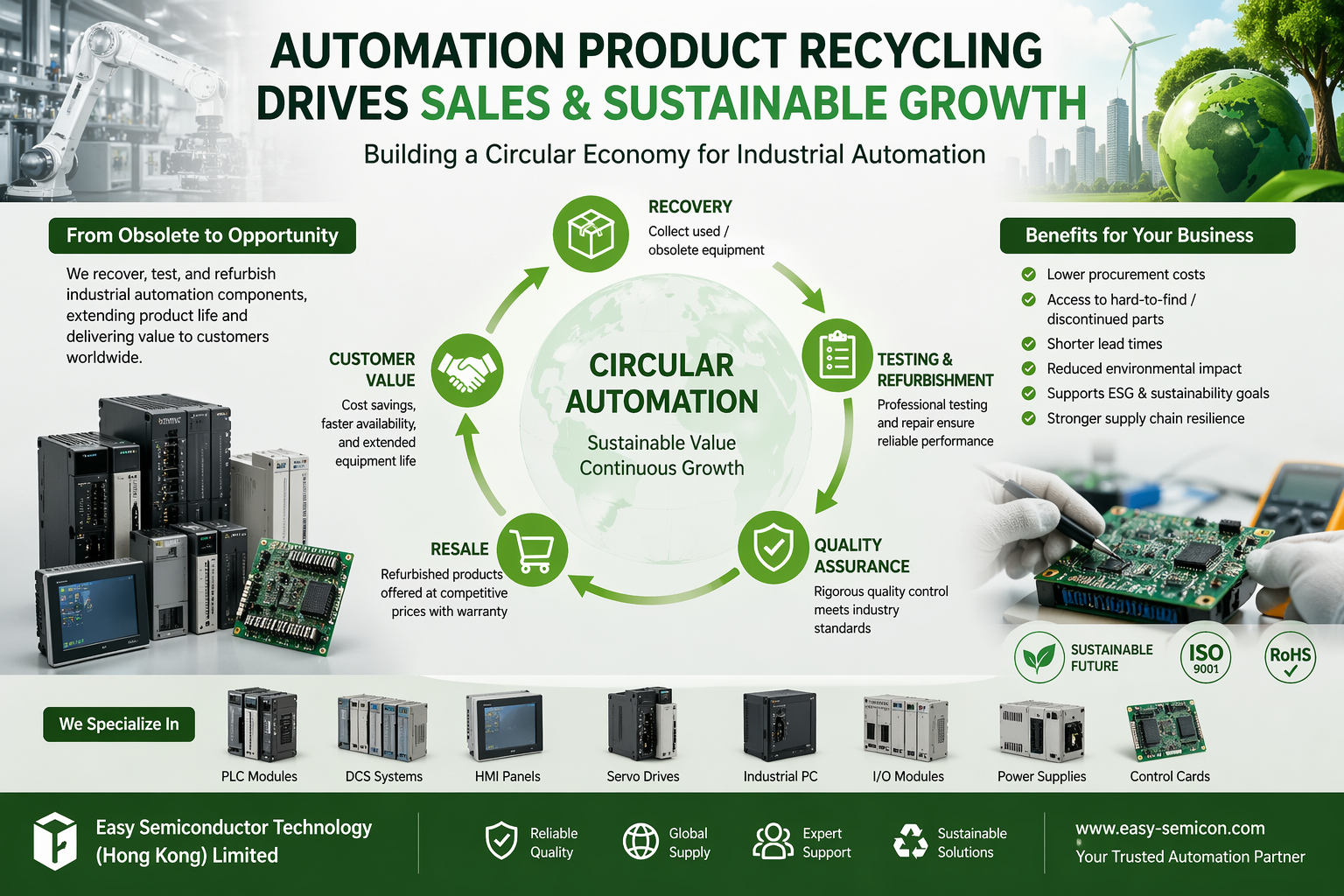
Easy Semiconductor Technology (Hong Kong) Limited continues to support industrial operators worldwide by providing solutions for sourcing, upgrading, and maintaining both legacy and modern PLC systems. By understanding the challenges posed by outdated automation infrastructure, factories can proactively plan transitions that ensure reliability, scalability, and future-proof operations.