
 home
home
 Published: May 17, 2026 04:26 PM
 Page View: 124
As industrial plants continue to embrace digitalization and smart manufacturing, an often-overlooked challenge is quietly threatening operational reliability: aging programmable logic controllers (PLCs). In 2026, this issue has reached a critical point, with numerous facilities worldwide confronting the limitations of legacy PLC systems that were designed decades ago. The operational risks associated with outdated PLCs are increasingly evident, prompting engineers and plant managers to seek proactive strategies to maintain productivity and safety.
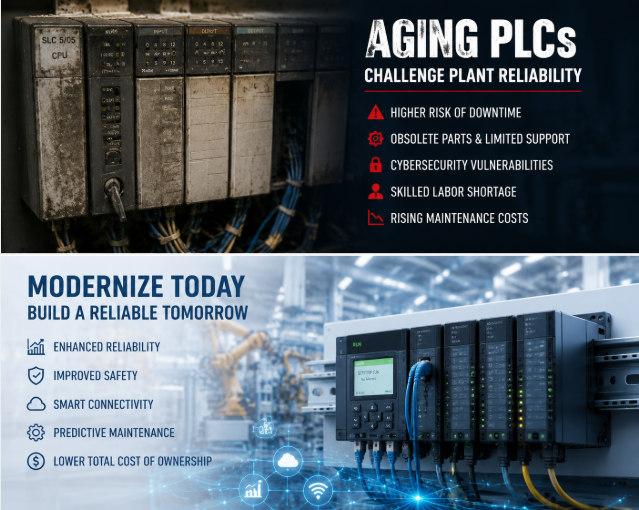
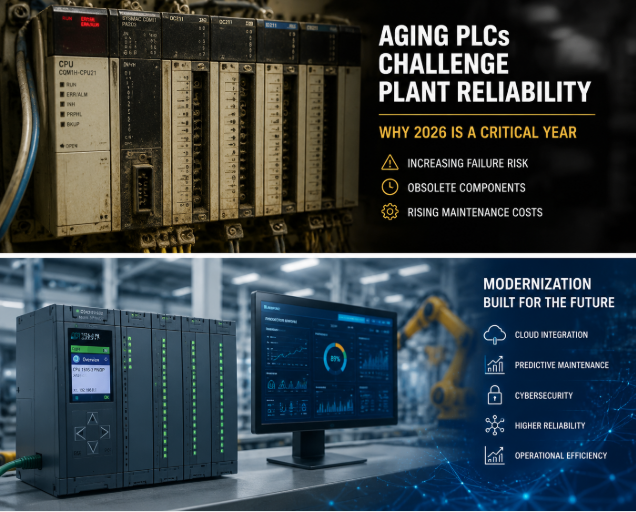
PLCs are the backbone of modern industrial automation, controlling everything from assembly lines to critical safety systems. However, many PLCs installed in the 1990s and early 2000s are now approaching the end of their operational lifespan. Components such as memory modules, processors, and communication interfaces face increasing failure rates as manufacturers phase out support. Unlike newer systems, legacy PLCs are often incompatible with modern communication protocols, making integration with advanced monitoring or predictive maintenance systems difficult.
Industry surveys in early 2026 indicate that more than 40% of large-scale manufacturing plants still operate PLCs that are over 15 years old. The risk of unexpected downtime, production bottlenecks, or even safety incidents is growing as spare parts become scarce and technical expertise in older platforms dwindles.
Several factors contribute to the rising failure rates of legacy PLCs. Environmental stressors such as heat, dust, and vibration gradually degrade hardware components. Additionally, software obsolescence prevents legacy systems from keeping up with modern cybersecurity standards, leaving plants vulnerable to digital threats. Human factors, including the loss of personnel trained on outdated systems, exacerbate the challenge, limiting troubleshooting and repair capabilities.
Furthermore, supply chain constraints for obsolete PLC modules have worsened in recent years. Global semiconductor shortages and reduced manufacturing of niche PLC components mean that obtaining replacement parts can take months, resulting in prolonged production losses for affected plants.
The year 2026 marks a critical juncture for industrial automation reliability. A significant portion of legacy PLCs installed during the early 2000s is reaching the point where maintenance costs exceed the cost of system replacement. Additionally, regulatory compliance and safety standards have become stricter, and aging PLCs may not meet the requirements of modern process safety and quality assurance protocols.
The convergence of these factors makes 2026 a pivotal year for plant operators to evaluate their automation infrastructure. Ignoring the issue risks extended downtime, increased maintenance expenses, and potential safety violations.
Experts recommend a multi-pronged approach to address the challenges posed by aging PLCs. First, plant managers should conduct a comprehensive audit of their automation assets to identify high-risk systems. Critical equipment should be prioritized for replacement or upgrade to minimize operational impact.
Second, sourcing obsolete PLC modules globally has become a specialized service. Companies like Easy Semiconductor Technology (Hong Kong) Limited provide access to both original and aftermarket components, ensuring that plants can maintain operations while planning long-term system modernization.
Third, transitioning to newer PLC platforms offers additional benefits beyond reliability. Modern systems support advanced communication protocols, cloud integration, and predictive maintenance capabilities, allowing plants to optimize production efficiency and reduce unexpected downtime. While the initial investment may seem significant, the long-term savings in reduced maintenance costs, higher uptime, and improved safety are considerable.
The shift toward proactive maintenance and modernization is no longer optional. Industrial facilities that delay action risk compounding operational issues and falling behind in a competitive market. By combining strategic parts sourcing, risk assessment, and gradual system upgrades, plants can maintain operational continuity and leverage the benefits of modern automation technologies.
In conclusion, 2026 is a defining year for industrial automation reliability. Aging PLCs represent a tangible threat to productivity, safety, and compliance, but with informed planning and proactive interventions, plants can navigate this challenge successfully. Companies that act decisively now will not only avoid costly downtime but also position themselves to take full advantage of Industry 4.0 innovations, ensuring sustainable growth in the years to come.
Easy Semiconductor Technology (Hong Kong) Limited remains committed to supporting industrial plants worldwide with solutions for both legacy and modern PLC systems, helping organizations maintain efficiency, safety, and technological competitiveness in a rapidly evolving industrial landscape.