
 home
home
 Published: Apr 27, 2026 09:42 PM
 Page View: 122
Published by Easy Semiconductor Technology (Hong Kong) Limited
In the global industrial automation and power distribution market, circuit breakers are fundamental components ensuring electrical safety, system reliability, and operational continuity. With increasing demand for industrial electrification, smart factories, and renewable energy systems, the supply and demand dynamics of major circuit breaker brands and their product series have become a critical focus for procurement professionals and system integrators.
Circuit breakers are generally classified into three core types based on current capacity and application:
MCB (Miniature Circuit Breaker): Used for low-current applications such as residential and light commercial systems
MCCB (Molded Case Circuit Breaker): Designed for medium to high current industrial distribution systems
ACB (Air Circuit Breaker): Applied in high-capacity power systems and main distribution panels
MCCBs typically operate in ranges from 16A up to 3200A, making them essential for industrial environments . Meanwhile, ACBs can handle extremely high loads up to several thousand amperes, supporting large-scale infrastructure and energy systems .
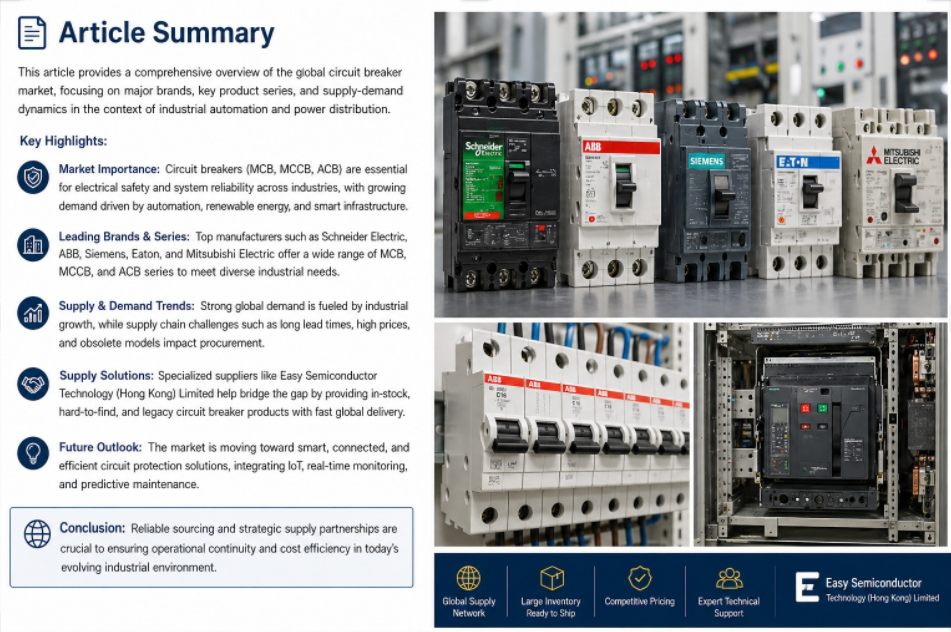
Schneider is a dominant player in low-voltage distribution.
Key Series:
ComPact NSX / NS (MCCB)
Acti9 (MCB)
PowerPacT series
Market Position:
Strong global certification coverage and smart digital integration make Schneider a preferred choice in commercial and industrial projects .
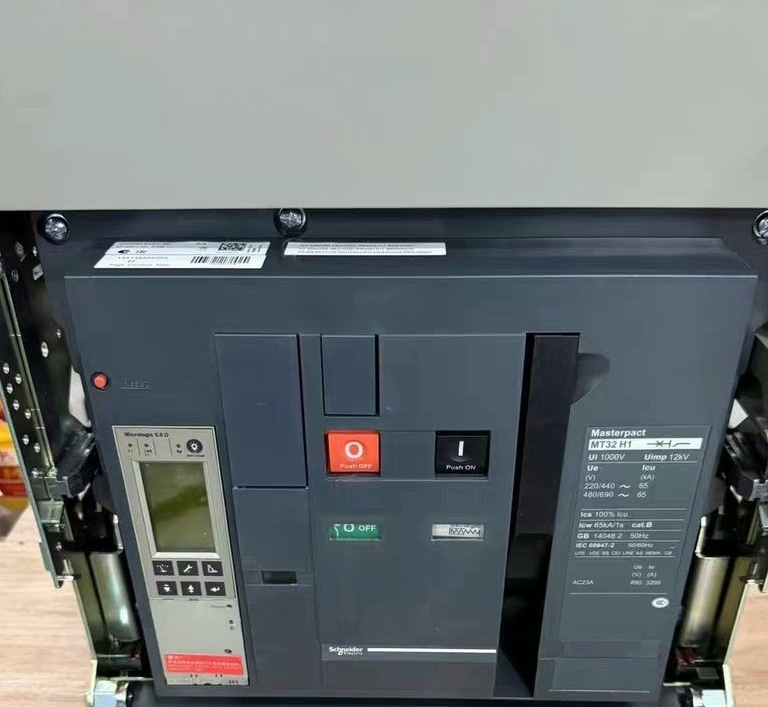
ABB offers a comprehensive range across all breaker categories.
Key Series:
SACE Tmax XT (MCCB)
System pro M compact (MCB)
Emax (ACB)
Market Position:
Known for reliability and sustainability-focused electrification solutions, ABB is widely used in utilities, manufacturing, and infrastructure .
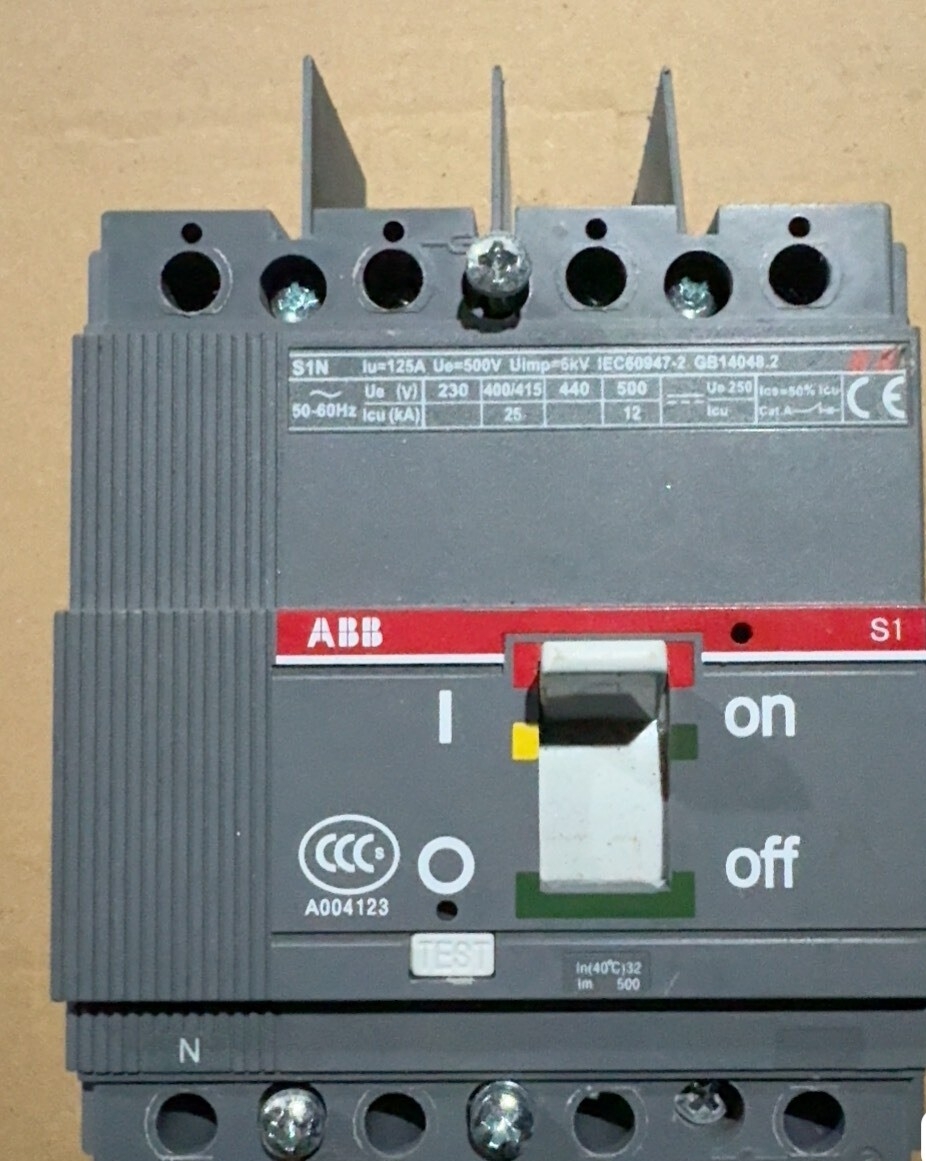
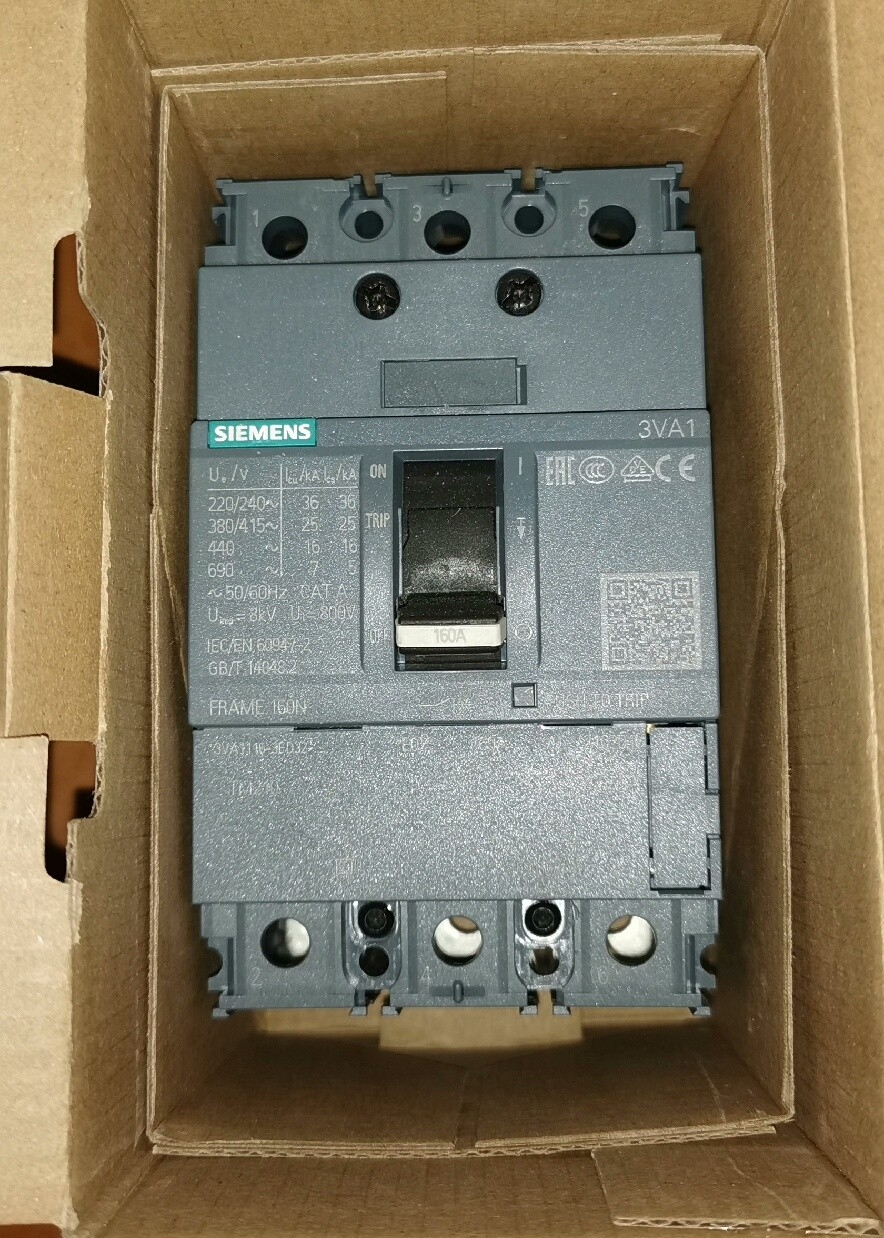
Siemens integrates circuit protection with digital automation systems.
Key Series:
SENTRON series (MCB & MCCB)
3WL / 3VA series
Market Position:
Strong in smart infrastructure and industrial automation integration.
Eaton is a global leader in power management solutions.
Key Series:
NZM series (MCCB)
FAZ series (MCB)
IZMX series (ACB)
Eaton’s breakers are widely used across residential, commercial, and industrial sectors, offering protection against overloads and short circuits .
Mitsubishi focuses on high-reliability industrial applications.
Key Series:
NF series (MCCB)
WS-V series
AE series (ACB)
Market Position:
Popular in Asia for factory automation and heavy industry applications.
ABB Tmax T1N160 MCCB
$270•High-capacity MCCB for industrial electrical systems.
Eaton NZM4 MCCB 800A
$2000•800A MCCB suitable for heavy-duty applications.
Siemens 5SY Miniature Circuit Breaker
$58•Compact circuit breaker for residential or commercial use.
Schneider Electric m9f MCB
$40•Reliable MCB for protecting electrical circuits.
These products illustrate the diversity of offerings across brands, covering:
Low-current protection (MCB)
Medium/high-current industrial distribution (MCCB)
Specialized protection for motors and automation systems
The demand for circuit breakers is rising due to:
Expansion of industrial automation systems
Growth in renewable energy projects
Increasing adoption of smart grid infrastructure
Rising safety and compliance requirements
Particularly, MCCBs and ACBs are seeing strong demand in:
Data centers
Manufacturing plants
Energy and utilities
Asia-Pacific: Fastest growth driven by manufacturing and infrastructure
Europe & North America: Demand driven by retrofits and smart systems
Middle East & Africa: Growth in energy and construction sectors
Despite strong demand, the circuit breaker market faces several supply constraints:
Long lead times from OEM manufacturers
High pricing for branded components
Obsolete or discontinued models
Risk of counterfeit products in secondary markets
These challenges significantly impact project timelines and maintenance operations.
To address supply-demand imbalances, global buyers increasingly rely on specialized distributors such as
Easy Semiconductor Technology (Hong Kong) Limited
Key advantages include:
Immediate availability of hard-to-find circuit breaker series
Supply of obsolete and legacy models
Competitive pricing compared to OEM channels
Global logistics and fast delivery
This model ensures continuity for industrial users maintaining aging systems or requiring urgent replacements.
The circuit breaker industry is evolving toward:
Smart circuit breakers with IoT integration
Real-time energy monitoring and diagnostics
Enhanced arc fault detection technologies
Integration with digital twins and predictive maintenance systems
These innovations are reshaping traditional circuit protection into intelligent energy management systems.
The global circuit breaker market is characterized by strong demand, brand-driven competition, and evolving supply chain dynamics. Leading manufacturers such as Schneider Electric, ABB, Siemens, Eaton, and Mitsubishi Electric continue to dominate with advanced product series across MCB, MCCB, and ACB categories.
At the same time, flexible sourcing strategies—supported by companies like
Easy Semiconductor Technology (Hong Kong) Limited—are becoming essential to overcoming supply constraints and ensuring operational reliability.