
 home
home
 Published: Apr 14, 2026 07:14 PM
 Page View: 207
Industrial automation is entering a new phase driven by edge computing, industrial IoT (IIoT), and distributed control system architecture.
Traditional industrial automation systems rely heavily on centralized cloud computing and SCADA systems for data processing and monitoring. While effective in stable environments, this architecture introduces challenges such as network latency, bandwidth limitations, and dependency on continuous cloud connectivity.
To address these limitations, edge computing in industrial automation has become a key technology trend in 2026.
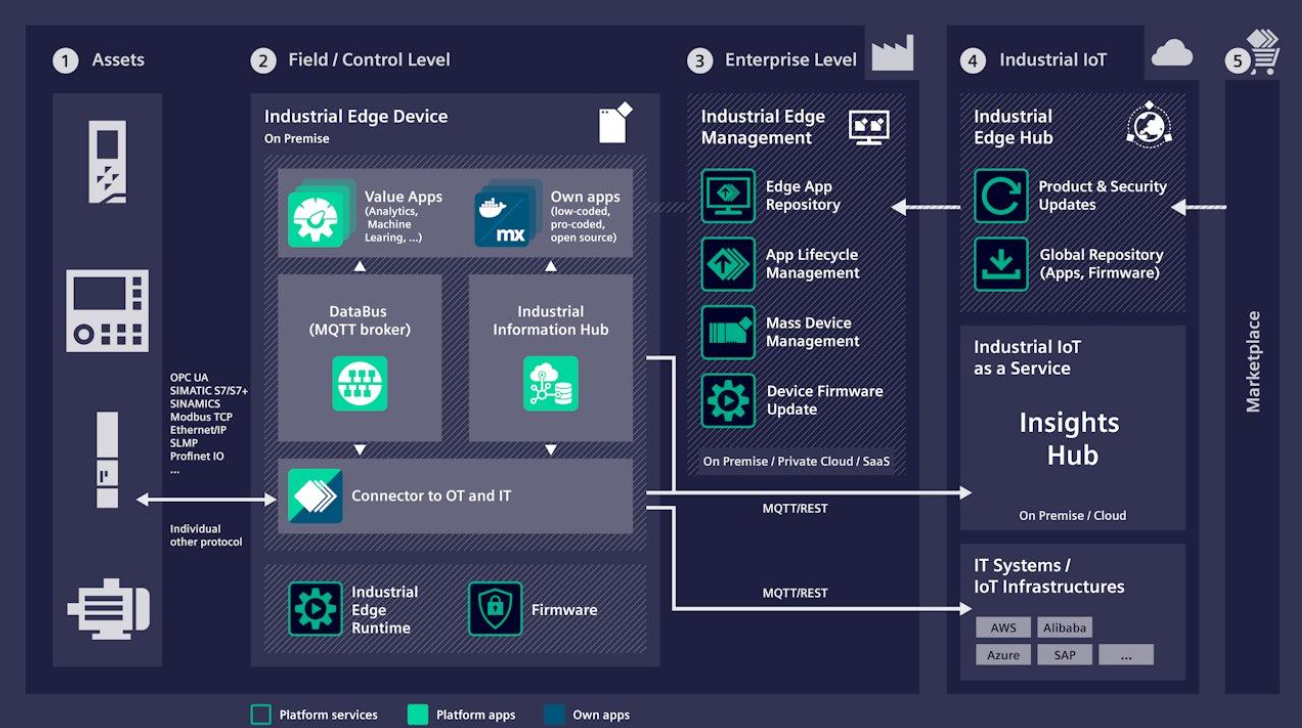
Edge computing enables real-time industrial data processing directly at the source, such as PLCs, industrial edge gateways, and edge controllers. This allows industrial control systems to make faster decisions without relying entirely on cloud communication.
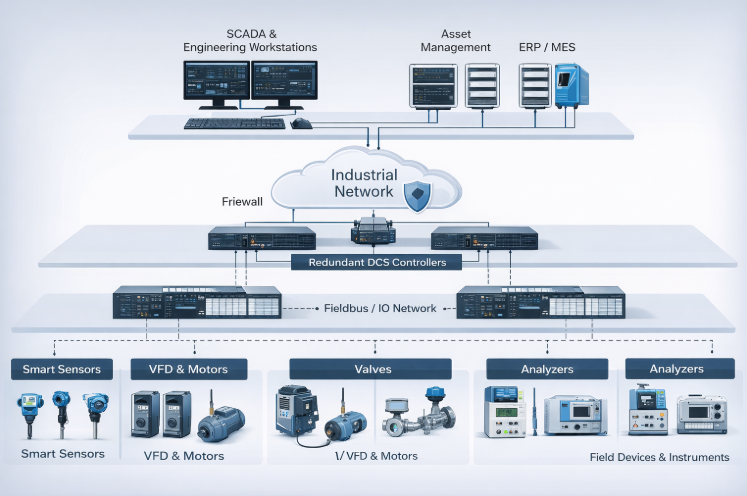
In modern industrial automation architecture, edge devices act as a bridge between field-level PLC systems and cloud-based SCADA or MES platforms.
Key benefits of industrial edge computing include:
Real-time PLC data processing and control
Reduced industrial network latency
Lower industrial data transmission costs
Improved reliability of automation systems
Enhanced local decision-making capability
Industries such as smart manufacturing, water treatment automation, energy management systems, and industrial remote monitoring systems are rapidly adopting edge computing solutions.
This shift represents a transition from centralized industrial automation to distributed intelligence in industrial control systems.
In this context, industrial automation suppliers such as hongkongeasy.com provide edge-ready industrial control solutions, supporting flexible integration across PLC systems, industrial networks, and IIoT platforms.