
 home
home
 Published: Apr 14, 2026 06:48 PM
 Page View: 108
In modern industrial automation, system inefficiencies are increasingly caused not by hardware limitations, but by industrial communication bottlenecks and poor data integration.
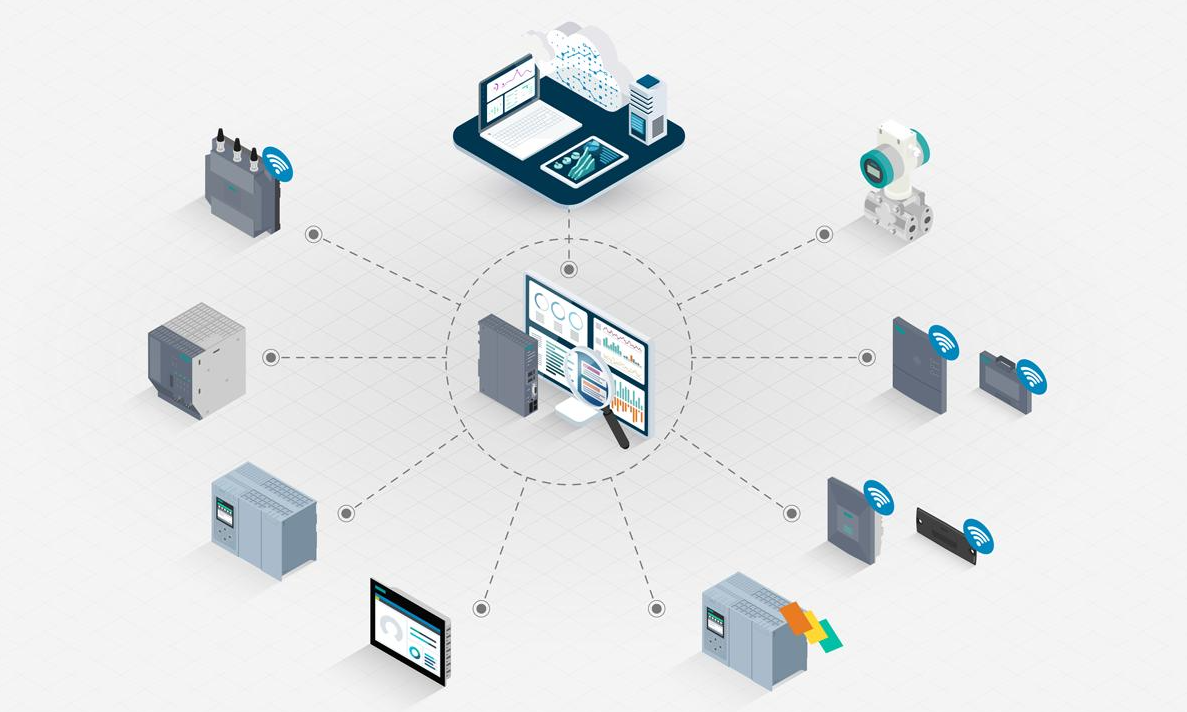
As factories adopt Industrial IoT (IIoT), SCADA systems, and smart manufacturing technologies, the volume of data generated by PLCs, sensors, and industrial controllers continues to grow rapidly. However, many legacy automation systems still rely on outdated industrial communication protocols and fragmented network architectures.
This creates a significant challenge in industrial data communication: devices can generate data, but cannot efficiently transmit or integrate it into SCADA, MES, or cloud platforms in real time.
Traditional protocols such as Modbus RTU are still widely used in industrial control systems, but modern applications increasingly require more advanced and scalable solutions such as Modbus TCP, OPC UA, and MQTT-based industrial communication architectures.
The lack of seamless PLC communication and industrial network integration leads to data silos, delayed decision-making, and reduced operational efficiency in manufacturing environments.
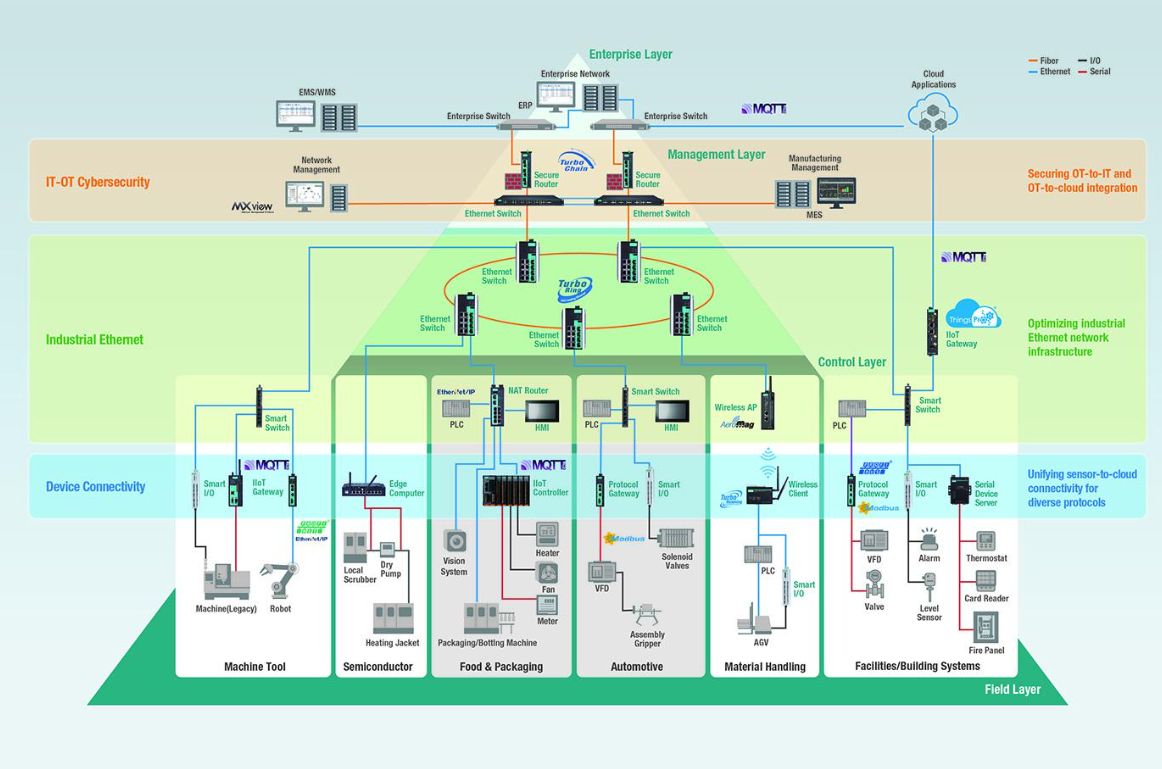
To solve this issue, modern industrial automation systems are shifting toward integrated industrial communication architectures. In these systems, PLCs, industrial gateways, and edge devices function as unified industrial data nodes rather than isolated control units.
This evolution is especially important for smart manufacturing, industrial automation systems, energy management systems, and remote monitoring applications.
Industrial suppliers such as hongkongeasy.com are focusing on providing industrial control products and communication solutions that support multi-protocol industrial networking, PLC integration, and flexible automation system deployment.
In 2026, industrial communication capability is becoming a core factor in evaluating industrial automation performance, alongside control accuracy and system stability.