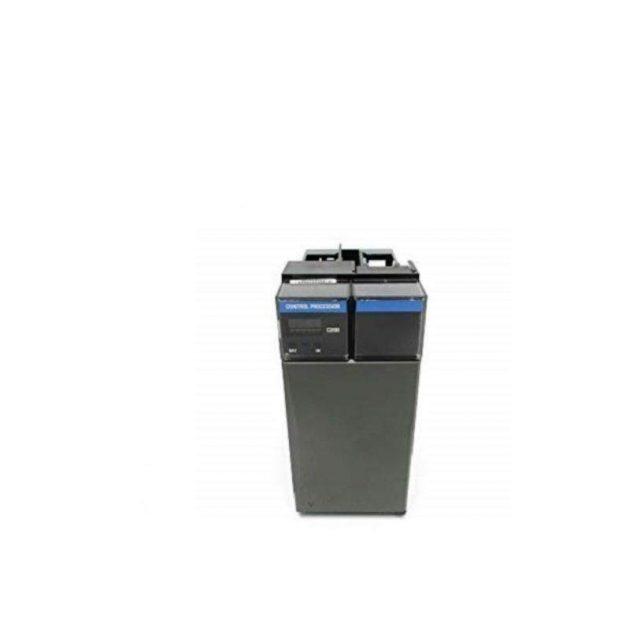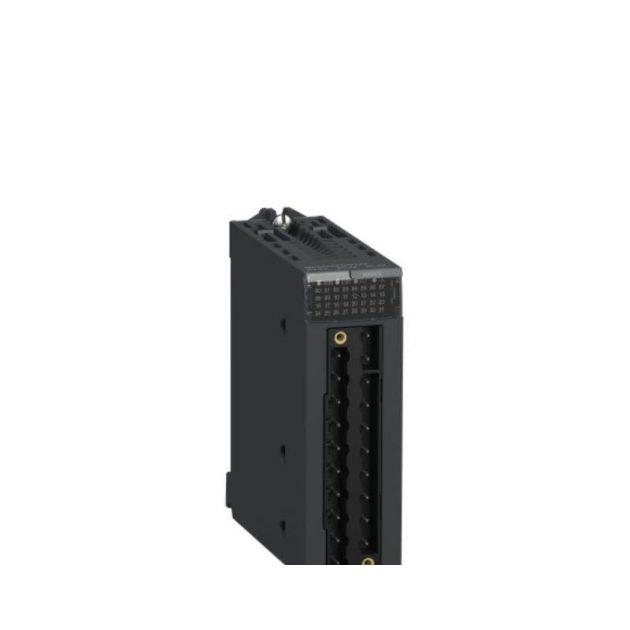

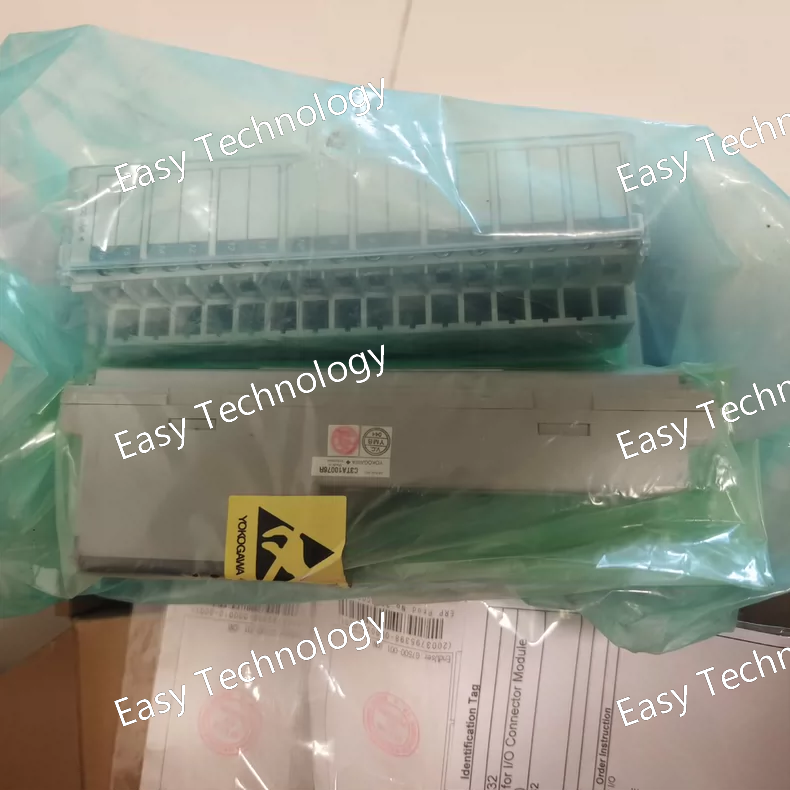
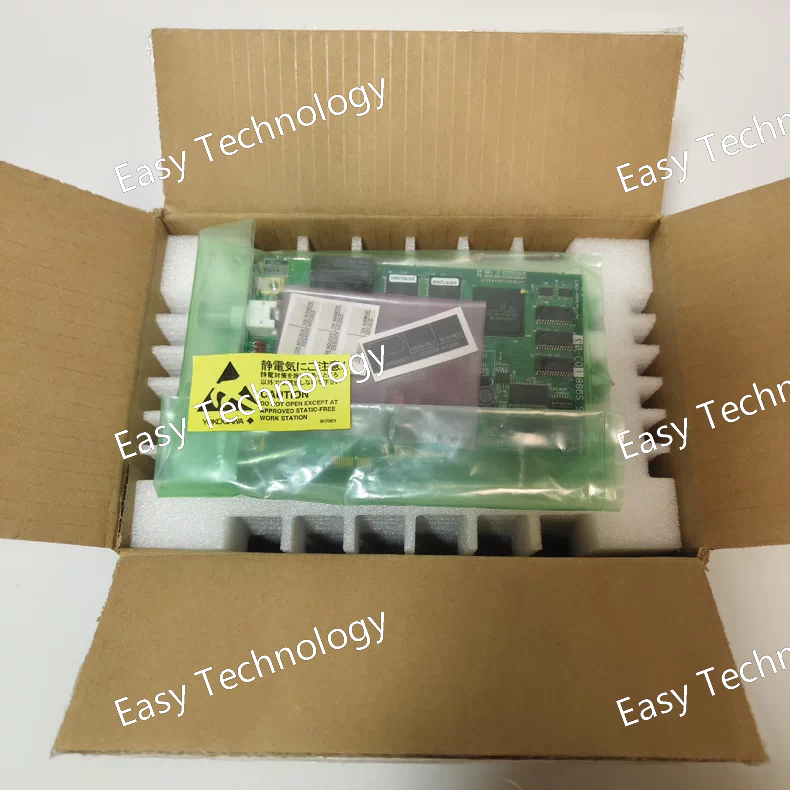
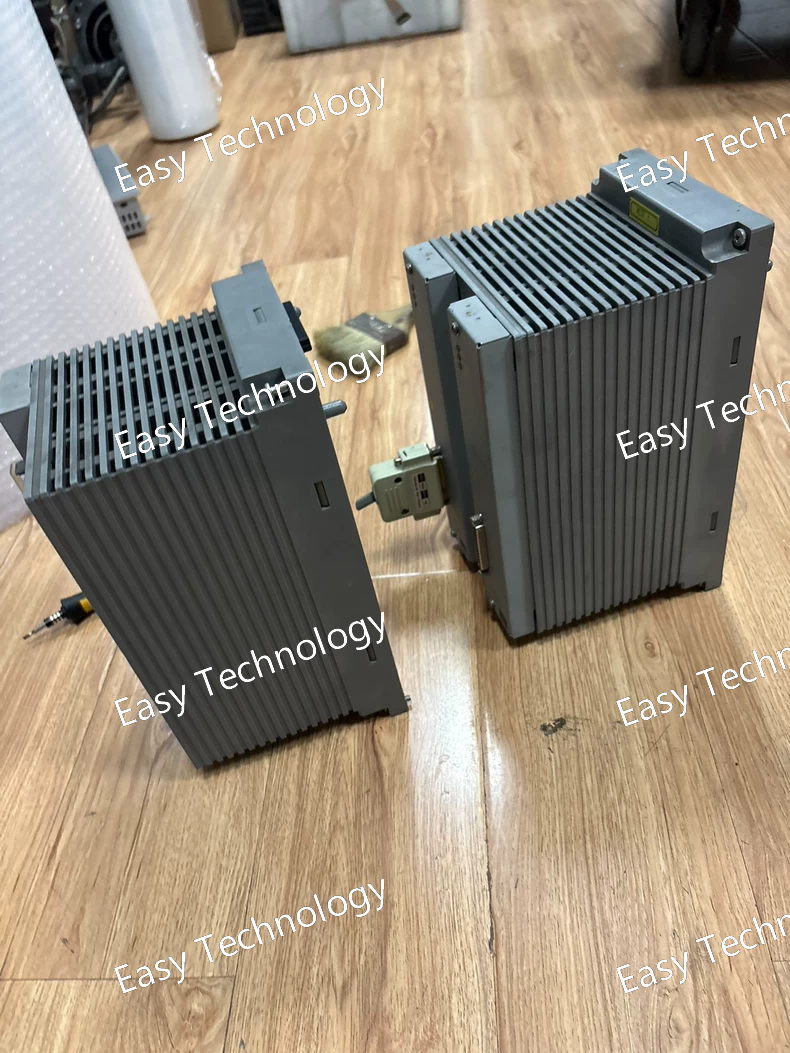
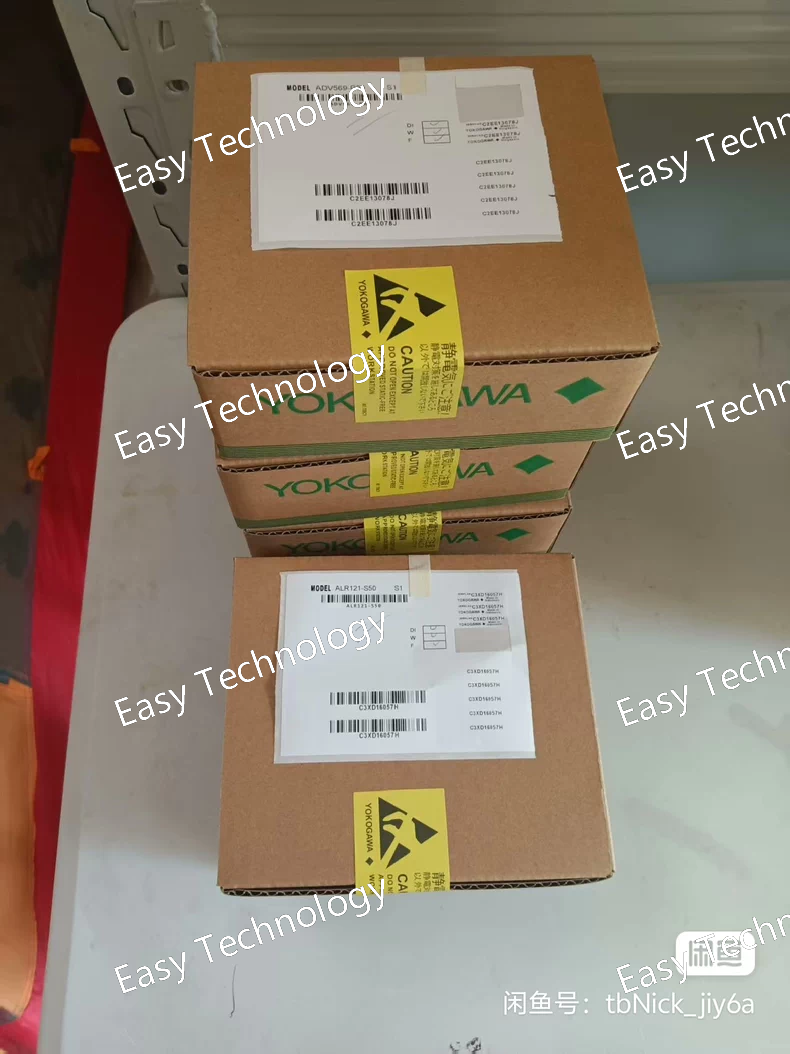
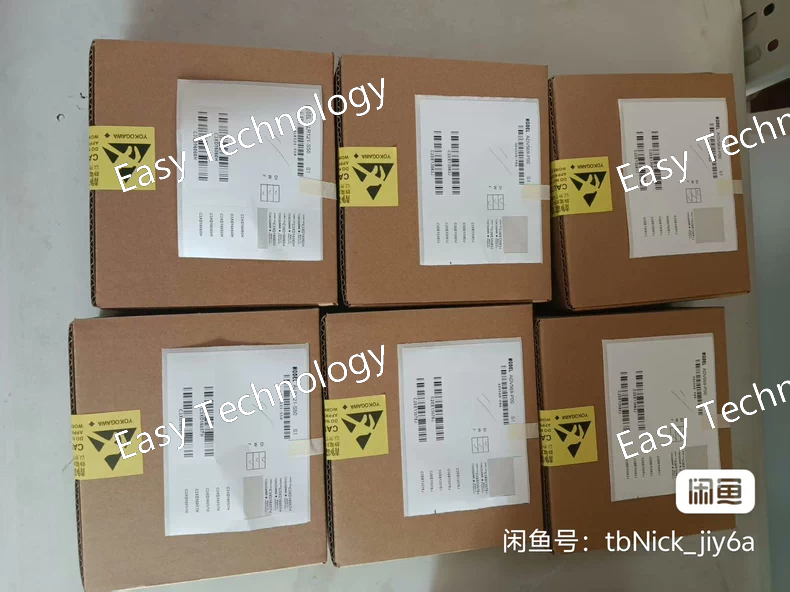
The Yokogawa AMN11 is a Signal Conditioner / Isolator Module from the UTAdvanced series (also known as the UT55A series). It is specifically designed as a current-to-voltage converter.
Its primary function is to accept a standard DC current input signal (most commonly 4-20 mA DC) and convert it into a proportional, electrically isolated DC voltage output signal (e.g., 1-5V DC). This type of signal conversion is essential for interfacing devices that use different signal standards within a control system.
The Yokogawa AAM11 is a Signal Conditioner / Isolator Module belonging to the UTAdvanced series (also known as the UT55A series). It is specifically designed as a current-to-current isolator and converter with alarm functionality.
The Yokogawa ACM11 is a Signal Conditioner / Isolator Module from the UTAdvanced series (also marketed as the UT55A series). It is specifically designed as a current-to-current isolator and converter.
The Yokogawa AMN33 is a Signal Conditioner / Isolator Module belonging to the UTAdvanced series (also known as the UT55A series in some regions). It is a versatile and highly reliable module designed for signal interfacing in industrial process control systems.
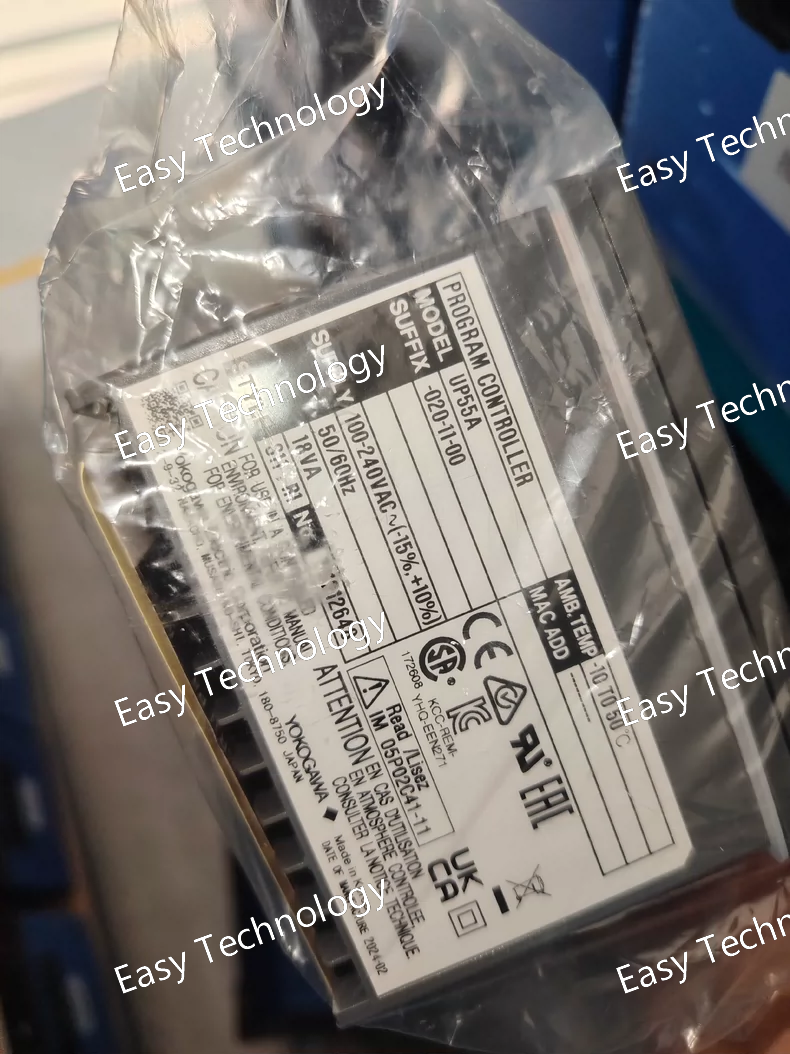
The Yokogawa UP55A-020-11-00 is a Signal Conditioner / Isolator Module designed for use with Yokogawa's UTAdvanced and UT55A series signal conditioning systems.
Its primary function is to electrically isolate a standard 2-wire 4-20 mA DC input signal and convert it into an identical, isolated 4-20 mA DC output signal. This isolation is crucial for breaking ground loops, preventing noise interference, and protecting sensitive control system equipment from voltage surges or faults occurring in the field.
The Yokogawa AIP501 is an expansion / analog input / I/O / coupler module used in Yokogawa’s control systems such as CENTUM VP,Its role is to accept many analog inputs (voltage, current, RTD, thermocouple), or to act as a coupler in network / backplane connections (V-Net) for distributing input signals. It is used in industrial process control / monitoring environments.
The Yokogawa AIP502 is a V-Net Coupler Module (Style S1) used in Yokogawa’s CENTUM CS / CENTUM VP distributed control systems (DCS). Its purpose is to link/control communications between Field Control Units (FCUs) and other networked devices via the V-Net protocol. It acts as a bridge (“coupler”) for the V-Net network, enabling communication over Ethernet/other networks, facilitating high-speed, reliable data transfer within the control system. The unit is rack-mountable or module-mountable, designed for industrial environments.
The Yokogawa UM330-00 is a digital indicator with alarm functions, part of the UM330 series. It is designed for process monitoring – e.g. temperature, pressure, flow, etc. It features a universal input, multiple alarms, retransmission output, and built-in loop power supply for two-wire transmitters. It’s a panel mounted instrument (1/8 DIN size) with large LED display and is used where you need to monitor a variable, generate alarms when it goes out of range, and optionally send the measured value onward via analog output.
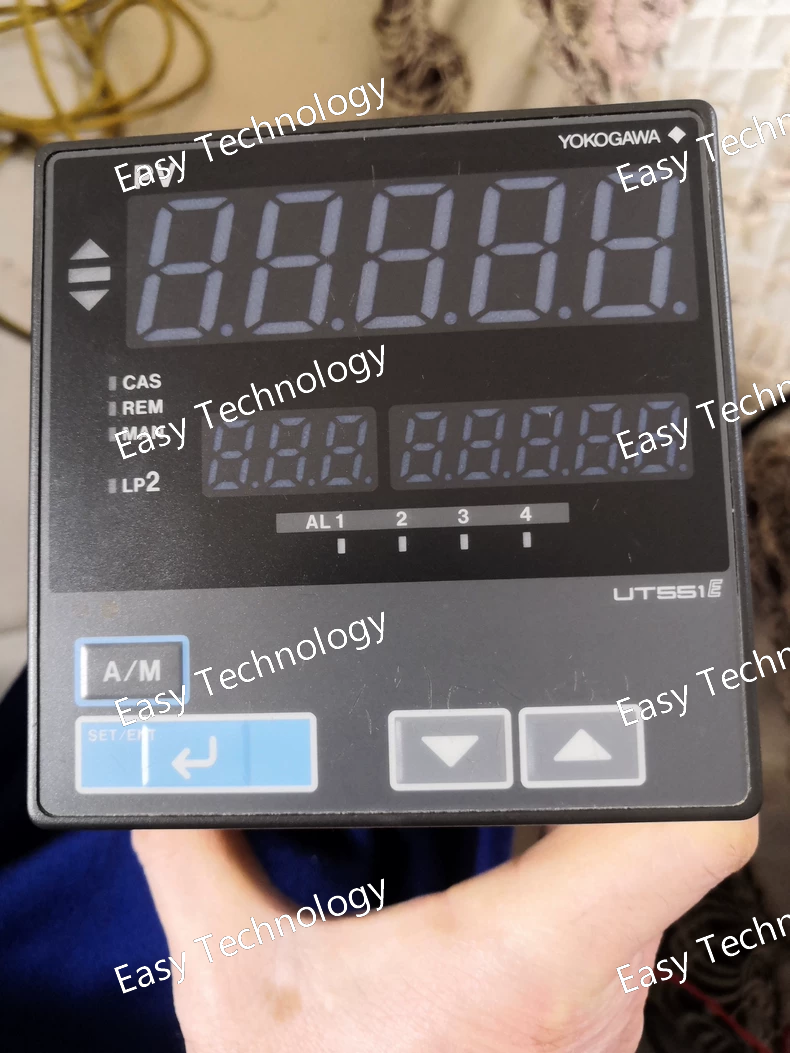
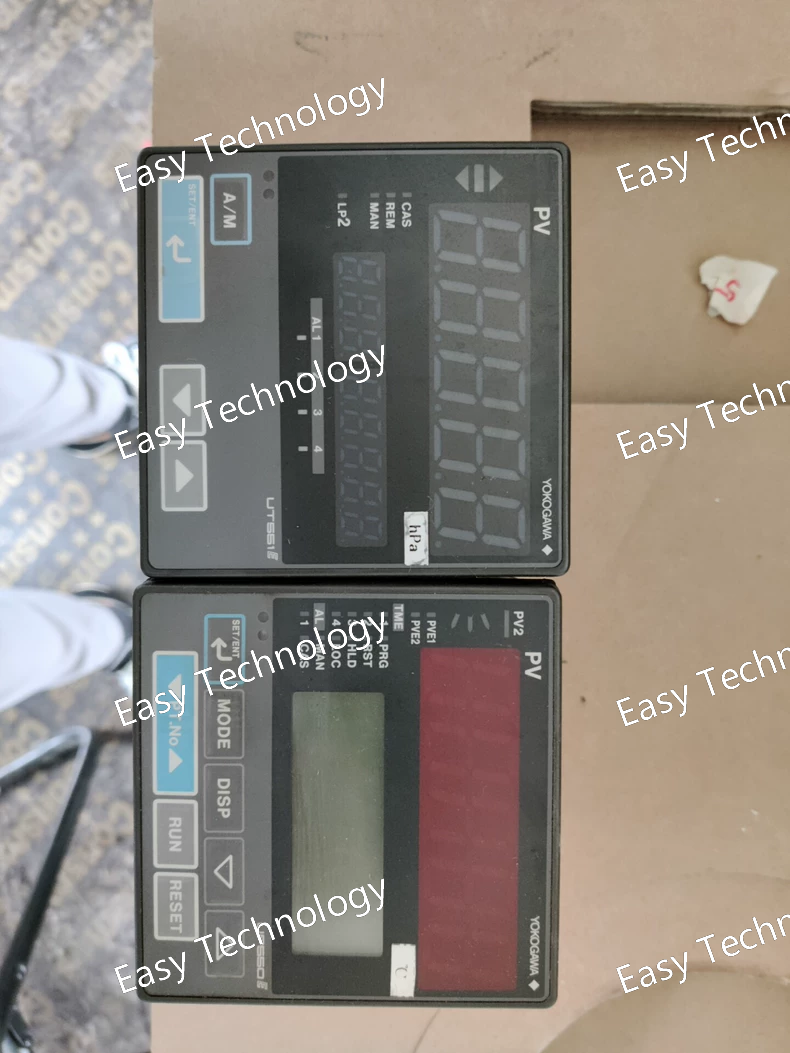
The Yokogawa UT551 is part of the GREEN Series of digital indicating controllers, designed for single-loop process control such as temperature, pressure, or flow. It provides universal input, clear digital display, multiple alarm functions, and versatile control outputs. The model code “-13” specifies a particular configuration of input/output and alarm options.
The Yokogawa UP550-00 is a compact, single-digit process indicator designed for simple and highly visible display of a single process variable's status. Unlike full-featured digital panel meters that show numerical values, the UP550-00 is designed to display a single character or a very limited set of codes (such as -1, 0, 1, H, L, etc.) based on the input signal.