
 home
home
 Published: May 21, 2026 12:30 PM
 Page View: 113
In today’s fast-paced industrial environment, production efficiency and system reliability are more critical than ever. Distributed Control Systems (DCS) form the backbone of modern manufacturing plants, ensuring seamless automation, real-time monitoring, and precise process control. Yet, as technology evolves, older DCS installations can become a hidden source of downtime, maintenance challenges, and operational risk. Upgrading your DCS is no longer merely an option—it’s a strategic move to safeguard productivity and profitability.

Understanding the Cost of Downtime
Unplanned production stops can be extraordinarily costly. According to industry studies, every hour of unscheduled downtime in a mid-sized manufacturing plant can cost tens of thousands of dollars in lost production, labor, and overhead. Beyond the immediate financial impact, downtime can also compromise product quality, disrupt supply chains, and damage customer trust.
Many production stops are preventable. Aging DCS hardware and legacy software often lack the resilience and advanced diagnostic tools necessary to predict failures before they occur. Components such as outdated controllers, communication modules, and operator interfaces may fail intermittently, causing minor glitches that escalate into major shutdowns if not addressed promptly.
Why Upgrading Matters
Enhanced System Reliability
Modern DCS platforms are built with redundancy, robust failover protocols, and improved fault tolerance. Upgraded systems can continue operating even when certain components experience failures, minimizing the risk of a full-scale shutdown. Advanced diagnostics provide early warnings of potential issues, enabling maintenance teams to act proactively rather than reactively.
Improved Performance and Efficiency
New-generation DCS solutions offer faster processing speeds, optimized control algorithms, and more efficient data handling. These improvements can enhance production throughput, reduce cycle times, and enable tighter control over critical processes. By upgrading, plants can achieve higher operational efficiency without the need for extensive manual intervention.
Integration with Modern Technologies
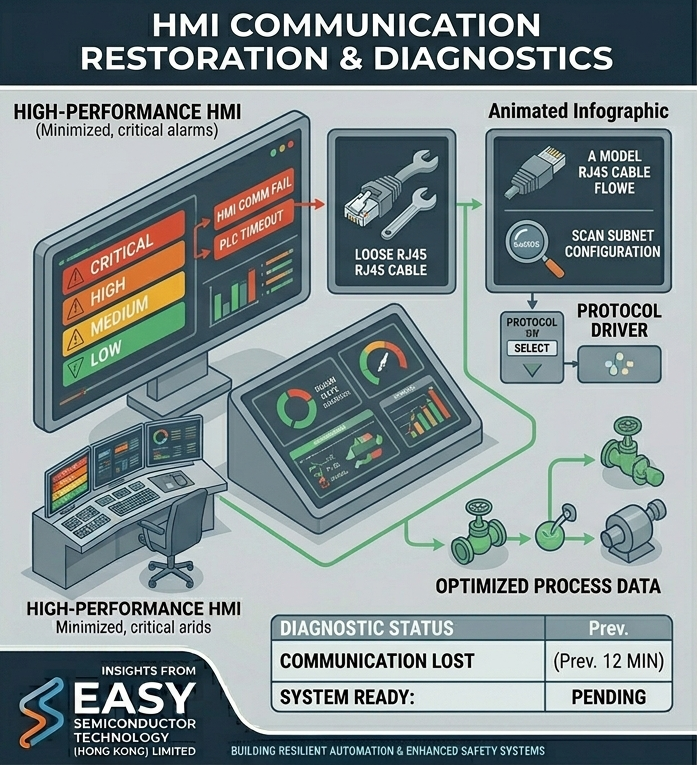
Today’s industrial landscape is increasingly connected. Upgraded DCS systems can seamlessly integrate with Industrial Internet of Things (IIoT) devices, predictive maintenance platforms, and advanced analytics tools. This connectivity enables real-time monitoring, remote control, and predictive insights that help prevent unexpected stoppages.
Compliance and Cybersecurity
Legacy DCS installations may no longer meet the latest regulatory or cybersecurity standards. Upgrading ensures compliance with industrial safety regulations and strengthens the plant’s defense against cyber threats. Secure systems not only protect intellectual property but also prevent disruptions caused by malicious attacks or system vulnerabilities.
Case Studies and Industry Insights
A recent survey of process industries revealed that plants implementing DCS upgrades reported a 20–30% reduction in unplanned downtime over a two-year period. For example, a semiconductor manufacturing facility in Hong Kong replaced its 15-year-old DCS with a modern system featuring predictive analytics and redundant communication paths. Within months, maintenance teams observed early detection of potential valve failures and communication disruptions, preventing what could have been costly production halts.
Similarly, chemical processing plants upgrading from legacy DCS controllers to contemporary platforms noted improved alarm management and faster response times. The ability to diagnose and correct process deviations in real time significantly decreased the frequency of emergency shutdowns, directly impacting profitability and operational stability.
Planning a Successful Upgrade
A DCS upgrade requires careful planning to avoid introducing new risks during the transition. Key considerations include:
Assessment of Current System: Identify legacy components that are prone to failure and evaluate system performance gaps.
Compatibility and Integration: Ensure the new DCS can integrate with existing equipment, IIoT devices, and enterprise software.
Phased Implementation: Gradually migrate processes to minimize disruption, starting with non-critical sections of the plant.
Staff Training: Equip operators and maintenance personnel with the knowledge to leverage new system features effectively.
Partnering with experienced technology providers, such as Easy Semiconductor Technology (Hong Kong) Limited, can streamline the upgrade process. Our engineers provide end-to-end support—from system assessment and design to installation and post-upgrade maintenance—ensuring that upgrades deliver measurable benefits without compromising ongoing operations.
Conclusion
Upgrading a DCS is more than a technical enhancement—it’s a strategic investment in operational continuity and cost efficiency. By modernizing control systems, manufacturers can significantly reduce unplanned downtime, improve process performance, and integrate advanced analytics and safety measures. In an era where every minute of production counts, a proactive approach to DCS upgrades can spell the difference between sustained profitability and costly interruptions.
Investing in a reliable, modern DCS is no longer optional—it is a critical step toward a resilient, efficient, and future-ready manufacturing operation.