
 home
home
 Published: May 21, 2026 12:20 PM
 Page View: 114
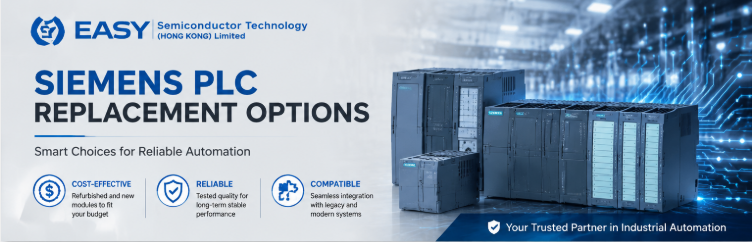
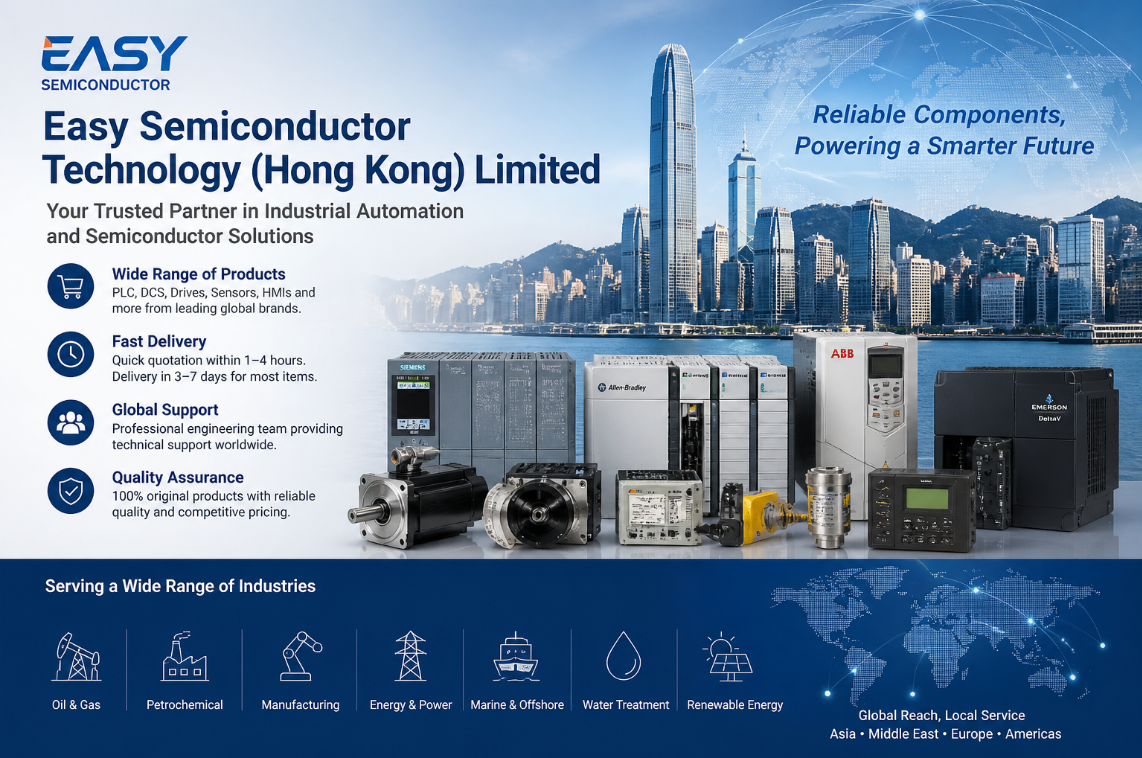
As industrial automation continues to evolve, manufacturers are facing increasing pressure to maintain and upgrade their programmable logic controllers (PLCs) to ensure uninterrupted operations. Siemens PLCs, widely used in manufacturing and process automation, are renowned for their performance and reliability. However, as plants age and technology advances, companies are confronted with the challenge of replacing or upgrading legacy Siemens PLC systems while balancing cost, reliability, and compatibility. Easy Semiconductor Technology (Hong Kong) Limited, a leading provider of industrial automation solutions, highlights the key considerations and strategies for effective PLC replacement in 2026.
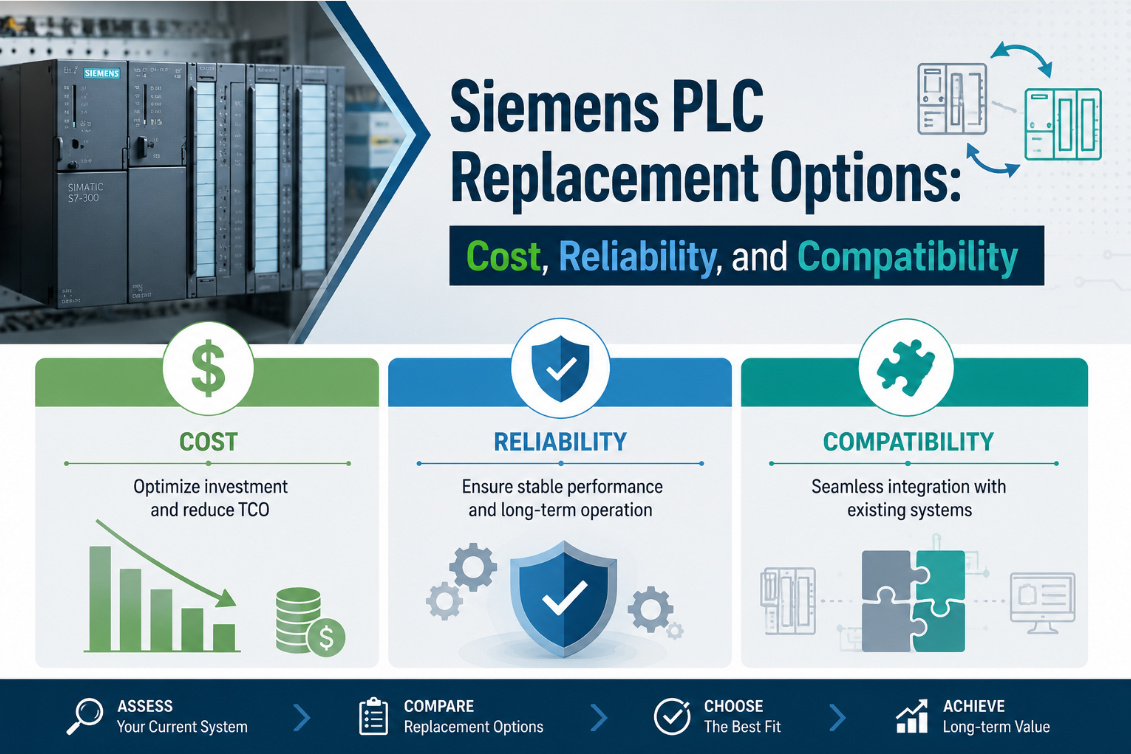
Cost Considerations: Balancing Budget and Performance
One of the most critical factors when replacing Siemens PLCs is cost. New Siemens controllers, such as the S7-1500 series, offer enhanced processing power, improved diagnostics, and advanced networking capabilities. However, the initial investment for brand-new systems can be significant, particularly for large-scale operations with multiple control points.
To mitigate expenses, many manufacturers are exploring refurbished or hard-to-find Siemens PLC modules. These options offer a cost-effective alternative without sacrificing essential performance characteristics. Easy Semiconductor Technology emphasizes that sourcing genuine and certified refurbished modules ensures long-term reliability while minimizing upfront expenditure. Additionally, careful lifecycle management and predictive maintenance can extend the operational lifespan of existing PLCs, delaying full replacement and spreading costs over time.
Reliability: Ensuring Consistent Operations
Reliability is a paramount concern for industrial automation. PLC failures can lead to costly downtime, safety hazards, and production delays. Siemens PLCs are designed for robustness, but aging hardware or obsolete modules may compromise system stability.
Replacement strategies must prioritize reliability. For critical production lines, manufacturers often prefer upgrading to newer Siemens models that provide enhanced redundancy and real-time monitoring capabilities. Furthermore, testing and quality assurance for replacement modules—whether new, refurbished, or third-party alternatives—are essential to ensure uninterrupted operations. Easy Semiconductor Technology advises integrating PLC replacements with existing maintenance protocols and control systems to reduce the risk of unexpected failures.
Compatibility: Integrating New Solutions with Legacy Systems
Compatibility is a complex yet crucial aspect of PLC replacement. Industrial plants often run heterogeneous control environments, where legacy Siemens PLCs interface with third-party devices, SCADA systems, and industrial networks. Selecting replacement modules that seamlessly integrate with these systems is vital to avoid costly reprogramming or extensive reconfiguration.
Manufacturers have several options. One approach is to upgrade to the latest Siemens PLC models, leveraging backward compatibility features to maintain communication with older modules. Alternatively, hybrid solutions allow a mix of new and refurbished controllers, bridging the technology gap while preserving existing infrastructure. Easy Semiconductor Technology supports clients in conducting thorough compatibility assessments, ensuring that new PLCs align with network protocols, I/O modules, and software platforms.
Emerging Trends in PLC Replacement
In 2026, the PLC replacement landscape is also shaped by technological trends. The rise of industrial IoT, smart manufacturing, and digital twin technologies has increased the demand for controllers capable of high-speed data processing and predictive analytics. Siemens has responded with advanced PLCs featuring integrated analytics, cloud connectivity, and cybersecurity enhancements, providing manufacturers with scalable and future-proof solutions.
Moreover, supply chain disruptions and component shortages have prompted companies to adopt proactive sourcing strategies. Easy Semiconductor Technology works closely with global suppliers to provide reliable access to obsolete or rare Siemens PLC modules, helping manufacturers maintain production continuity despite market fluctuations.
Practical Recommendations for Manufacturers
For manufacturers considering Siemens PLC replacement, the following best practices are recommended:
Conduct a Cost-Benefit Analysis: Evaluate the total cost of ownership, including purchase, installation, maintenance, and potential downtime, to determine whether new or refurbished PLCs are the optimal choice.
Prioritize Reliability: Select modules with proven performance and integrate them into predictive maintenance programs to minimize unexpected failures.
Assess Compatibility Thoroughly: Verify network, I/O, and software compatibility to prevent costly integration challenges.
Plan for Future Upgrades: Choose solutions that accommodate technological trends, such as IIoT and digital twins, to maximize long-term value.
Partner with Trusted Suppliers: Work with certified providers like Easy Semiconductor Technology to source genuine or refurbished Siemens PLC modules, ensuring quality and support throughout the replacement process.
Conclusion
Replacing Siemens PLCs is a critical step for manufacturers striving to maintain operational efficiency, reduce downtime, and embrace the latest automation technologies. By carefully balancing cost, reliability, and compatibility, industrial operators can make informed decisions that enhance productivity and safeguard long-term success. Easy Semiconductor Technology (Hong Kong) Limited continues to support the industry with expert guidance, high-quality PLC modules, and tailored solutions for diverse automation needs.
As 2026 progresses, proactive PLC replacement planning will remain essential for manufacturers aiming to stay competitive, resilient, and technologically advanced in a rapidly evolving industrial landscape.