
 home
home
 Published: May 20, 2026 09:20 AM
 Page View: 106
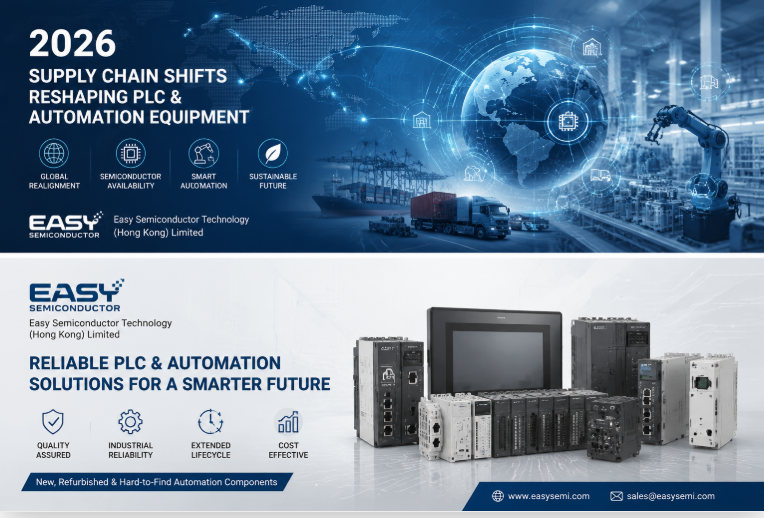
As the industrial automation sector enters 2026, the landscape of supply chains for Programmable Logic Controllers (PLCs) and automation equipment is undergoing profound changes. These shifts are not only influencing the availability of critical components but are also redefining procurement strategies, manufacturing resilience, and technological innovation across the globe. For companies relying on PLCs and automation systems, understanding these dynamics is essential for sustaining operational efficiency and minimizing downtime.
Global Supply Chain Realignment
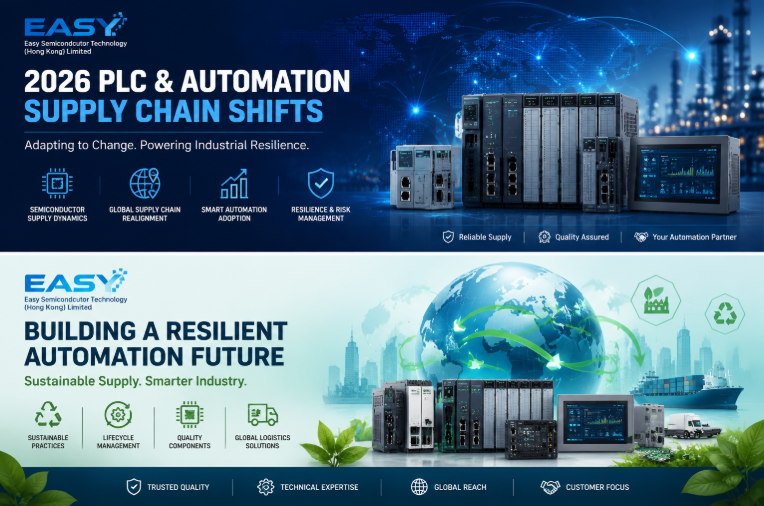
The past few years have highlighted vulnerabilities in global supply chains. Geopolitical tensions, trade restrictions, and fluctuating semiconductor production have prompted manufacturers to reevaluate sourcing strategies. In 2026, there is a clear trend toward regionalization of supply chains, with companies seeking to reduce dependency on single-source suppliers in Asia or Europe. For PLC and automation equipment, this means a greater emphasis on dual or multi-sourcing strategies, enabling manufacturers to mitigate risks associated with delays or shortages.
This realignment also reflects the increased importance of local suppliers capable of supporting critical automation systems. North America, Western Europe, and parts of Southeast Asia are investing in local electronics manufacturing capacity, targeting key PLC components, human-machine interfaces (HMIs), and industrial communication modules. While these initiatives help reduce shipping delays and tariffs, they also introduce new challenges, including the need to qualify additional suppliers and ensure compliance with industry standards.
Impact of Semiconductor Shortages
Semiconductors remain the backbone of modern PLCs and automation devices. Despite easing in 2025, chip availability in 2026 continues to shape procurement decisions. Advanced controllers that rely on specialized microcontrollers or field-programmable gate arrays (FPGAs) are particularly vulnerable to supply fluctuations. As a result, manufacturers are increasingly exploring refurbished and hard-to-find PLC modules to bridge supply gaps.
Refurbished PLC units, once considered a temporary solution, are gaining credibility as reliable alternatives. Companies like Easy Semiconductor Technology (Hong Kong) Limited play a pivotal role in supplying certified refurbished components, ensuring operational continuity without sacrificing quality. This trend underscores the growing market for lifecycle management solutions, which extend the usable life of automation equipment while optimizing cost efficiency.
Technological Adaptation and Smart Automation
Supply chain shifts are also accelerating the adoption of smart automation technologies. Digital twins, predictive maintenance systems, and IoT-enabled sensors allow companies to monitor equipment performance remotely and anticipate component failures before they disrupt production. For PLC users, integrating these technologies is becoming not just an option but a necessity to maintain competitive advantage.
Manufacturers are leveraging these tools to optimize inventory management, reduce lead times, and align production schedules with real-time market demand. By linking supply chain analytics with PLC operations, companies can achieve a more resilient and agile manufacturing ecosystem, minimizing the impact of component shortages or logistical delays.
Sustainability and Regulatory Pressure
In 2026, environmental regulations and sustainability goals are influencing supply chain decisions. Automation equipment suppliers are expected to demonstrate compliance with energy efficiency standards and responsible sourcing of materials. PLC and automation manufacturers are increasingly adopting eco-friendly practices, such as modular designs that facilitate component reuse and end-of-life recycling programs.
This trend not only addresses regulatory requirements but also aligns with customer demand for sustainable manufacturing. Companies investing in circular economy models for automation equipment gain a dual advantage: reduced environmental footprint and enhanced supply chain reliability through the reuse of high-demand components.
Strategic Implications for Manufacturers
The evolving supply chain landscape in 2026 requires a proactive approach from automation equipment users. Companies should diversify sourcing channels, maintain strategic stockpiles of critical PLC modules, and collaborate closely with trusted suppliers. Partnerships with specialized providers, like Easy Semiconductor Technology (Hong Kong) Limited, ensure access to both new and refurbished components, mitigating the risks posed by global disruptions.
Additionally, investing in predictive maintenance, IoT integration, and smart manufacturing systems can transform potential vulnerabilities into strategic advantages. Organizations that embrace these changes are better positioned to navigate fluctuations in component availability, reduce unplanned downtime, and maintain production continuity in an increasingly uncertain market.
Conclusion
Supply chain shifts in 2026 are reshaping the PLC and industrial automation industry, emphasizing resilience, diversification, and technological adaptation. While challenges such as semiconductor shortages and geopolitical uncertainties remain, innovative approaches—including refurbished components, digital twins, and smart inventory management—offer viable solutions.
For manufacturers and automation engineers, understanding and adapting to these trends is critical for sustaining operational efficiency and competitiveness. As the industrial landscape continues to evolve, companies that proactively manage supply chain risks while embracing smart technologies will thrive in the 2026 automation era.
Easy Semiconductor Technology (Hong Kong) Limited remains committed to supporting global manufacturers with high-quality PLC and automation solutions, ensuring operational continuity and strategic supply chain resilience.