
 home
home
 Published: May 17, 2026 04:21 PM
 Page View: 132
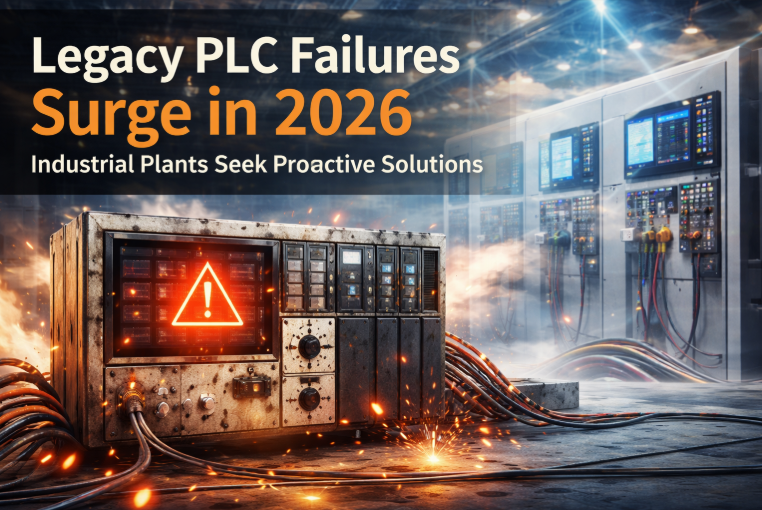
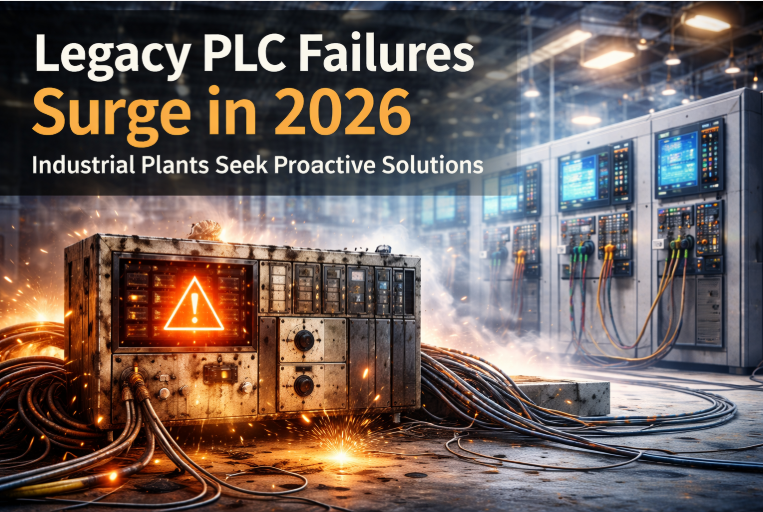
In 2026, industrial plants across the globe are confronting an unprecedented wave of failures in legacy programmable logic controllers (PLCs). Once regarded as the backbone of automation systems, these aging devices are now triggering unplanned downtime, production losses, and escalating maintenance costs. As the industrial automation landscape evolves, plant operators are increasingly recognizing the need for proactive strategies to mitigate risks associated with outdated PLC infrastructure.
The Growing Challenge of Legacy PLCs
Legacy PLCs—often installed decades ago—were originally designed to operate under specific conditions with limited expectations for longevity. Over time, hardware degradation, software obsolescence, and scarcity of spare parts have combined to create a perfect storm for failures. According to recent industry surveys, more than 40% of industrial plants report experiencing critical failures of PLCs at least once in the past 12 months, a significant increase compared to previous years.
The primary issues include processor malfunctions, memory corruption, and I/O module failures, often exacerbated by harsh environmental conditions such as heat, humidity, and electrical noise. Many of these controllers also rely on proprietary communication protocols that are no longer supported, further complicating maintenance and integration with modern systems.
Economic Impact of PLC Failures
The economic consequences of legacy PLC failures are substantial. Unplanned downtime can halt production lines for hours or even days, resulting in immediate revenue loss. Additionally, emergency repairs often require expedited shipping of obsolete components, driving up costs. Some industries, such as chemical processing, oil and gas, and semiconductor manufacturing, face even higher risks due to the critical nature of their operations and stringent safety requirements.
Maintenance teams frequently report that sourcing obsolete PLC modules has become increasingly difficult. Global supply chains are strained, and many original equipment manufacturers (OEMs) have discontinued support for legacy products. The result is that plants must rely on third-party suppliers or refurbished parts, which can introduce variability in quality and reliability.
Emerging Trends in Proactive Maintenance
To address these challenges, industrial plants are shifting from reactive maintenance to more proactive approaches. Predictive maintenance, digital twins, and condition monitoring systems are gaining traction as effective tools to anticipate failures before they occur.
Predictive maintenance leverages sensors and data analytics to detect early signs of wear or malfunction in PLC components. By analyzing patterns in temperature, vibration, and electrical parameters, maintenance teams can schedule interventions before failures disrupt operations. Digital twins—virtual replicas of physical systems—allow engineers to simulate various failure scenarios and optimize maintenance schedules. These tools reduce downtime and improve overall equipment effectiveness (OEE).
Strategic PLC Upgrades
While proactive maintenance can extend the life of legacy PLCs, many companies are opting for full or partial system upgrades. Siemens, Rockwell Automation, Schneider Electric, and other major PLC manufacturers are offering migration paths designed to replace obsolete controllers with modern, network-enabled systems. These new controllers support advanced protocols such as OPC UA and MQTT, enabling seamless integration with Industrial Internet of Things (IIoT) platforms and cloud-based analytics.
Upgrading PLCs also improves cybersecurity, an increasingly critical concern as industrial networks become more connected. Legacy PLCs often lack robust security features, leaving plants vulnerable to cyberattacks that could disrupt production or compromise sensitive data. Modern PLCs provide secure communication channels, authentication mechanisms, and firmware update capabilities to mitigate these risks.
Case Studies: Lessons from the Field
Several industrial operators have already demonstrated the benefits of proactive approaches. A major petrochemical plant in Singapore reported a 35% reduction in unplanned downtime after implementing predictive maintenance sensors on legacy PLCs and gradually migrating critical controllers to newer models. Similarly, a semiconductor manufacturing facility in Taiwan integrated digital twins with their PLC network, enabling real-time monitoring and reducing emergency maintenance interventions by 40%.
These examples highlight a broader industry trend: companies that invest in proactive strategies, including upgrades and predictive analytics, are better positioned to maintain operational continuity and reduce total cost of ownership.
Looking Ahead
Industry analysts predict that the pressure on legacy PLCs will continue to intensify over the next five years. As the global automation sector increasingly embraces Industry 5.0 principles—combining advanced robotics, AI-driven analytics, and human-centric manufacturing—reliance on outdated controllers will become a major operational bottleneck.
Plant operators are therefore advised to adopt a dual strategy: maintain existing PLCs with predictive monitoring while developing a phased upgrade plan that aligns with production schedules and budget constraints. Collaboration with trusted suppliers and technology partners is essential to navigate component shortages, integration challenges, and cybersecurity considerations.
Conclusion
The surge in legacy PLC failures in 2026 serves as a wake-up call for industrial plants worldwide. While these controllers have faithfully served operations for decades, the convergence of aging hardware, software obsolescence, and supply chain constraints underscores the urgent need for proactive solutions. By embracing predictive maintenance, digital twins, and strategic upgrades, plants can minimize downtime, enhance operational efficiency, and future-proof their automation systems.
Easy Semiconductor Technology (Hong Kong) Limited remains committed to supporting industrial operators through this critical transition, offering expertise in PLC replacement, predictive maintenance solutions, and reliable sourcing of legacy components. As the automation landscape evolves, proactive planning and timely upgrades will be key differentiators for companies striving to maintain competitive, resilient operations.