
 home
home
 Published: May 09, 2026 01:34 PM
 Page View: 102
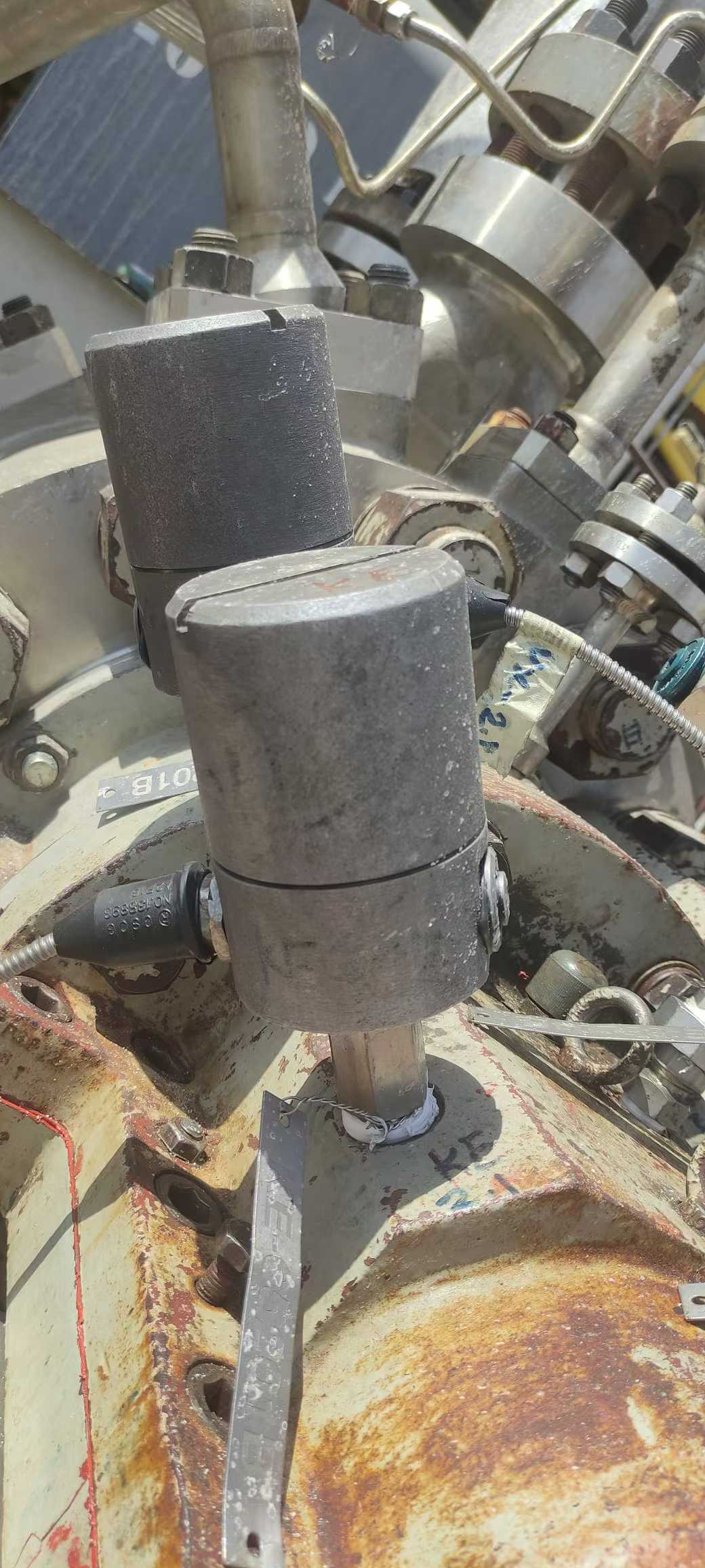
In modern industrial automation, the stability and reliability of automation systems—including PLCs, DCS, HMIs, and turbine monitoring systems—directly determine production continuity, operational safety, and economic efficiency. Unplanned downtime caused by equipment failures not only leads to huge financial losses but also increases safety risks and disrupts supply chains. Preventive maintenance, as a proactive strategy to identify and address potential faults before they occur, has become a key measure for industrial enterprises to optimize operations and reduce risks. Unlike reactive maintenance that only addresses failures after they happen, preventive maintenance focuses on regular inspection, calibration, and optimization, effectively extending equipment service life, reducing failure rates, and ensuring seamless production. Easy Semiconductor Technology (Hong Kong) Limited, a professional provider of industrial automation components and solutions, summarizes the best practices for preventive maintenance in automation systems based on years of industry experience, helping enterprises establish a standardized maintenance system and achieve long-term stable operation. Easy Semiconductor provides a professional quick repair solution for turbine monitoring systems, covering fault positioning, repair and optimization to reduce losses.
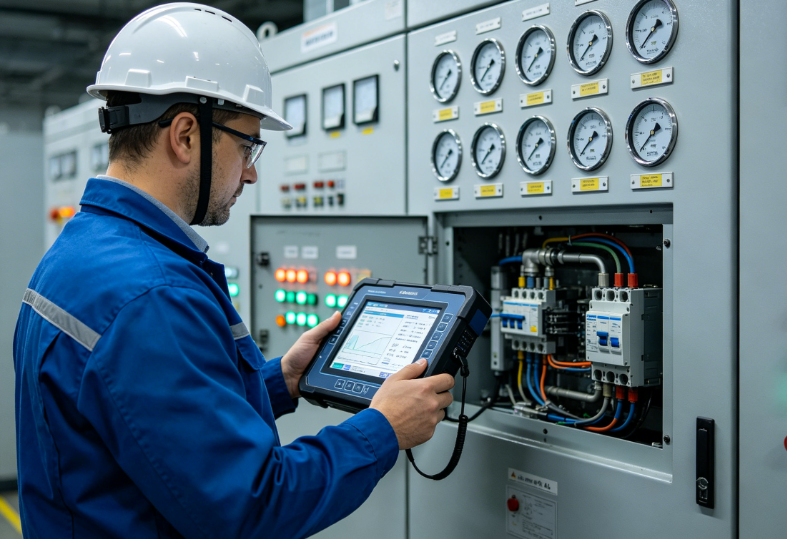
The foundation of effective preventive maintenance is to formulate a customized maintenance plan based on the actual operation of automation systems. Every industrial plant has unique production processes, equipment configurations, and operating environments, so a one-size-fits-all maintenance plan cannot meet actual needs. Easy Semiconductor recommends enterprises first conduct a comprehensive assessment of their automation systems, including equipment type, service life, operating load, and historical failure data. Based on this assessment, classify equipment into critical, important, and general levels: critical equipment (such as turbine monitoring systems, core PLC controllers) requires more frequent and detailed maintenance, while general equipment can adopt regular routine maintenance. The maintenance plan should clearly specify maintenance items, frequency, responsible personnel, and standard operating procedures (SOPs), ensuring that every maintenance activity is systematic and traceable.
Regular equipment inspection and calibration are core practices of preventive maintenance. For electronic components such as PLCs, HMIs, and sensors, daily visual inspections should be conducted to check for loose wiring, abnormal indicator lights, and signs of overheating. Quarterly inspections should focus on cleaning dust from heat sinks, ventilation ports, and internal components—dust accumulation is a common cause of overheating and signal interference. Annual calibration of sensors, transmitters, and measuring instruments is essential to ensure their accuracy within the allowable error range; for example, temperature sensors should be calibrated to ensure an error margin of ±0.5℃, and pressure transmitters should be verified for consistent signal output. Easy Semiconductor emphasizes that regular calibration not only improves system accuracy but also helps identify early signs of component degradation, such as drift in sensor readings.
Optimizing the operating environment is another key best practice for preventive maintenance. Harsh environmental conditions—high temperature, high humidity, dust, and electromagnetic interference (EMI)—are major factors accelerating equipment aging and failure. Industrial enterprises should ensure that control cabinets are installed in cool, dry areas with proper ventilation, and equipped with air conditioners or heat exchangers to maintain an internal temperature between 20-28℃ and relative humidity between 40-60%. Shielded twisted-pair cables and signal isolators should be used to reduce EMI from high-power equipment such as inverters and welding machines, while proper grounding measures protect equipment from voltage surges. Additionally, installing dust-proof nets and moisture-proof devices on control cabinets prevents dust and moisture from entering, reducing the risk of short circuits and component corrosion.
Regular software updates and data backups are crucial for the preventive maintenance of intelligent automation systems. Outdated firmware or control software may contain bugs that cause system malfunctions or security vulnerabilities, especially as automation systems become more connected to industrial IoT (IIoT) networks. Easy Semiconductor recommends updating controller firmware, HMI software, and monitoring system software regularly after testing in offline environments to ensure compatibility and fix potential issues. At the same time, regular backups of system configurations, control logic, and historical operating data (stored both locally and in the cloud) are essential—this ensures quick recovery in case of software corruption, data loss, or system crashes, minimizing downtime.
Strengthening personnel training and establishing a maintenance record system are indispensable for effective preventive maintenance. Maintenance personnel are the core of implementing preventive maintenance, so enterprises should provide regular training on equipment operation, fault diagnosis, and maintenance skills. Easy Semiconductor offers professional training programs, covering basic maintenance operations, advanced fault analysis, and emergency response, helping maintenance personnel improve their competence. Additionally, establishing a detailed maintenance record system to document maintenance activities, fault causes, and solutions allows enterprises to track equipment performance over time, identify recurring issues, and continuously optimize the maintenance plan. This data-driven approach enables enterprises to make informed decisions about equipment replacement and maintenance frequency.
Leveraging intelligent monitoring tools to implement predictive maintenance is an advanced practice that enhances the effectiveness of preventive maintenance. Traditional preventive maintenance relies on fixed schedules, but intelligent monitoring tools—such as vibration analyzers, infrared thermal imagers, and condition monitoring sensors—can collect real-time equipment operating data, including temperature, vibration, and signal output. By analyzing this data, enterprises can predict potential faults before they occur, adjust maintenance schedules dynamically, and avoid unnecessary maintenance activities. Easy Semiconductor provides intelligent monitoring solutions that integrate data collection, analysis, and early warning, helping enterprises transition from scheduled preventive maintenance to data-driven predictive maintenance, further reducing failure rates and maintenance costs.
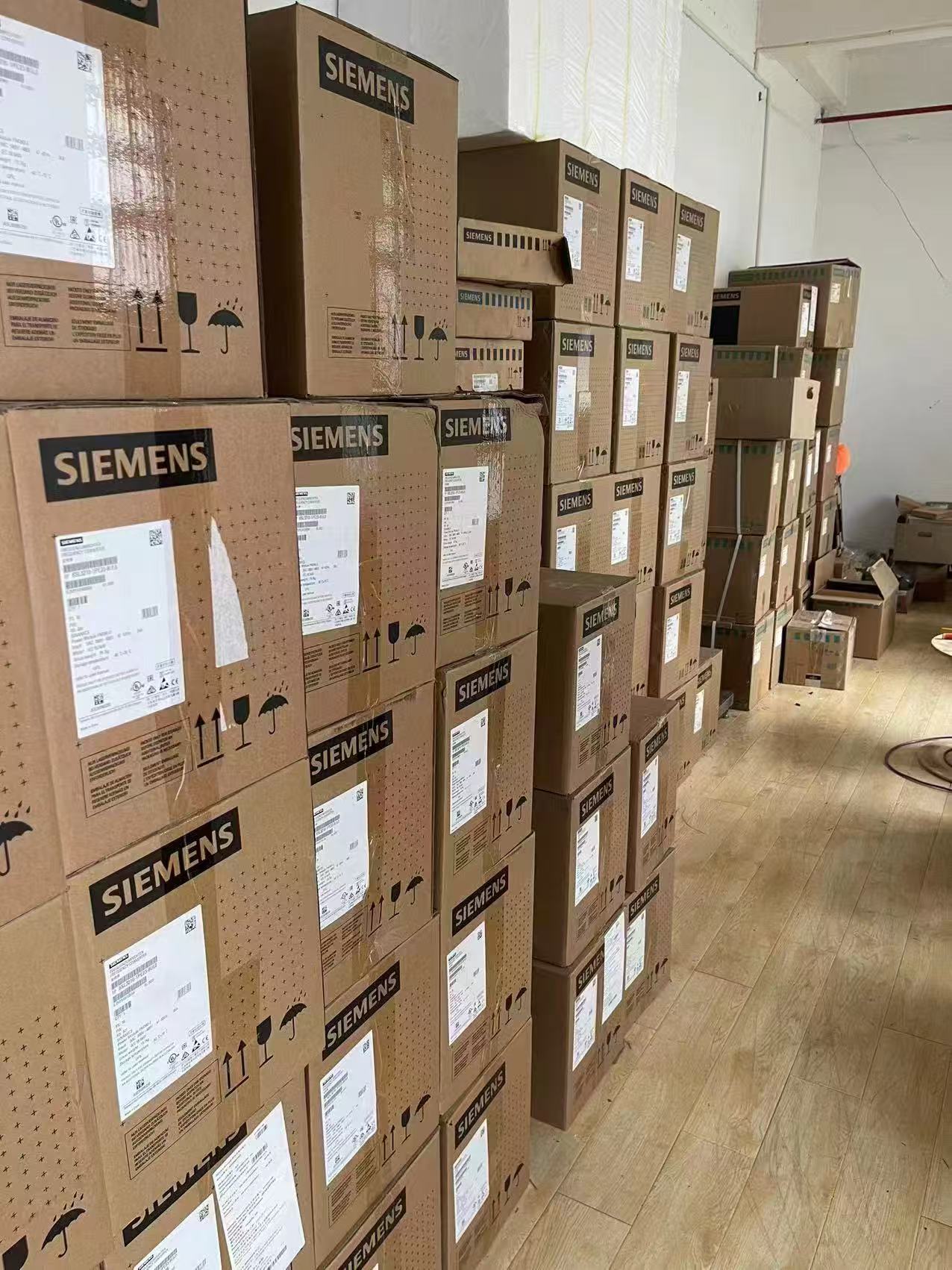
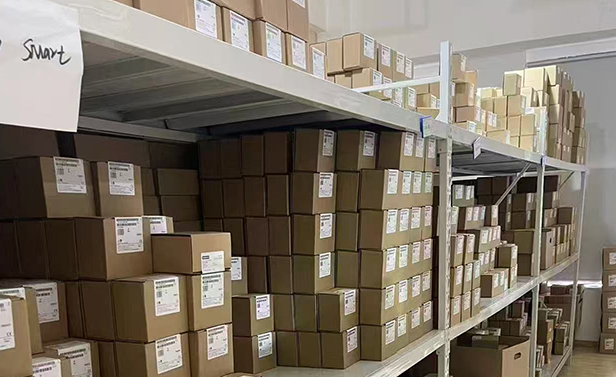
As a professional industrial automation solution provider, Easy Semiconductor Technology (Hong Kong) Limited supports enterprises in implementing these best practices through high-quality products and professional services. The company provides durable industrial automation components—including sensors, signal isolators, and power modules—with a long service life and high stability, laying a solid foundation for preventive maintenance. Additionally, Easy Semiconductor’s technical team offers on-site guidance, helping enterprises formulate customized maintenance plans, train maintenance personnel, and optimize maintenance processes.
A senior maintenance manager from a leading petrochemical enterprise commented: “By following the preventive maintenance best practices recommended by Easy Semiconductor, we have reduced equipment failure rates by 55% and unplanned downtime by 60%, significantly cutting maintenance costs and ensuring stable production. The professional support and high-quality components provided by the company have been crucial to our success.”
In conclusion, preventive maintenance is a proactive and cost-effective strategy for ensuring the stability and reliability of industrial automation systems. By formulating customized maintenance plans, conducting regular inspection and calibration, optimizing the operating environment, updating software and backing up data, strengthening personnel training, and leveraging intelligent monitoring tools, enterprises can effectively prevent equipment failures, extend service life, and achieve continuous, efficient, and safe production. Easy Semiconductor remains committed to providing comprehensive support for enterprises, helping them implement preventive maintenance best practices and build more resilient automation systems.