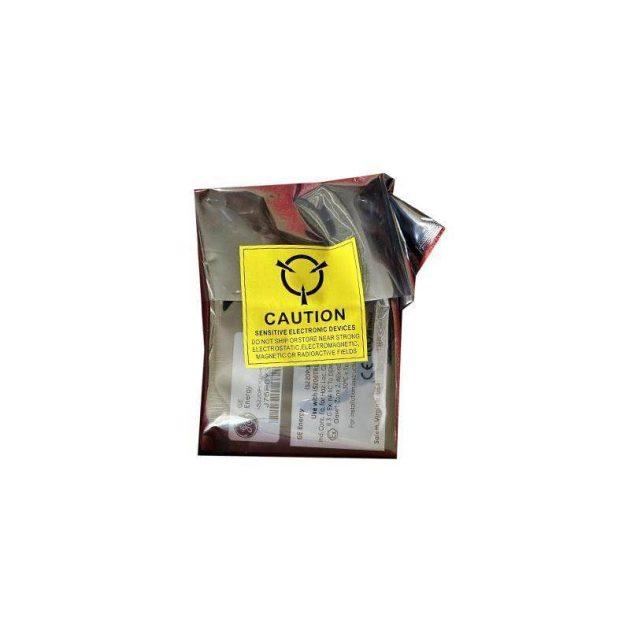
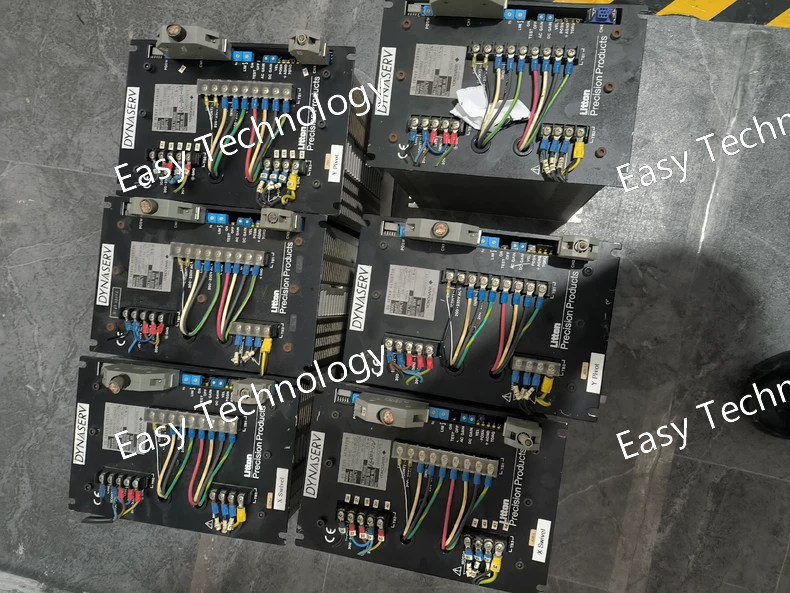
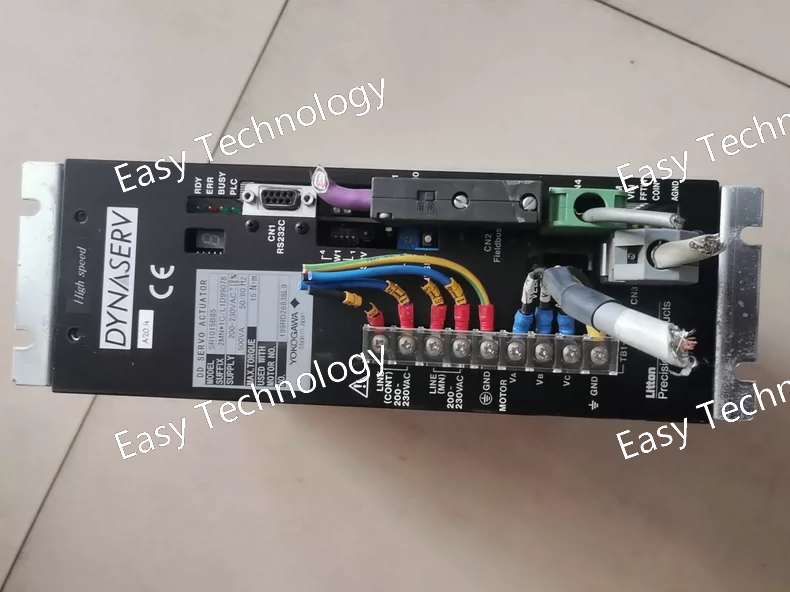
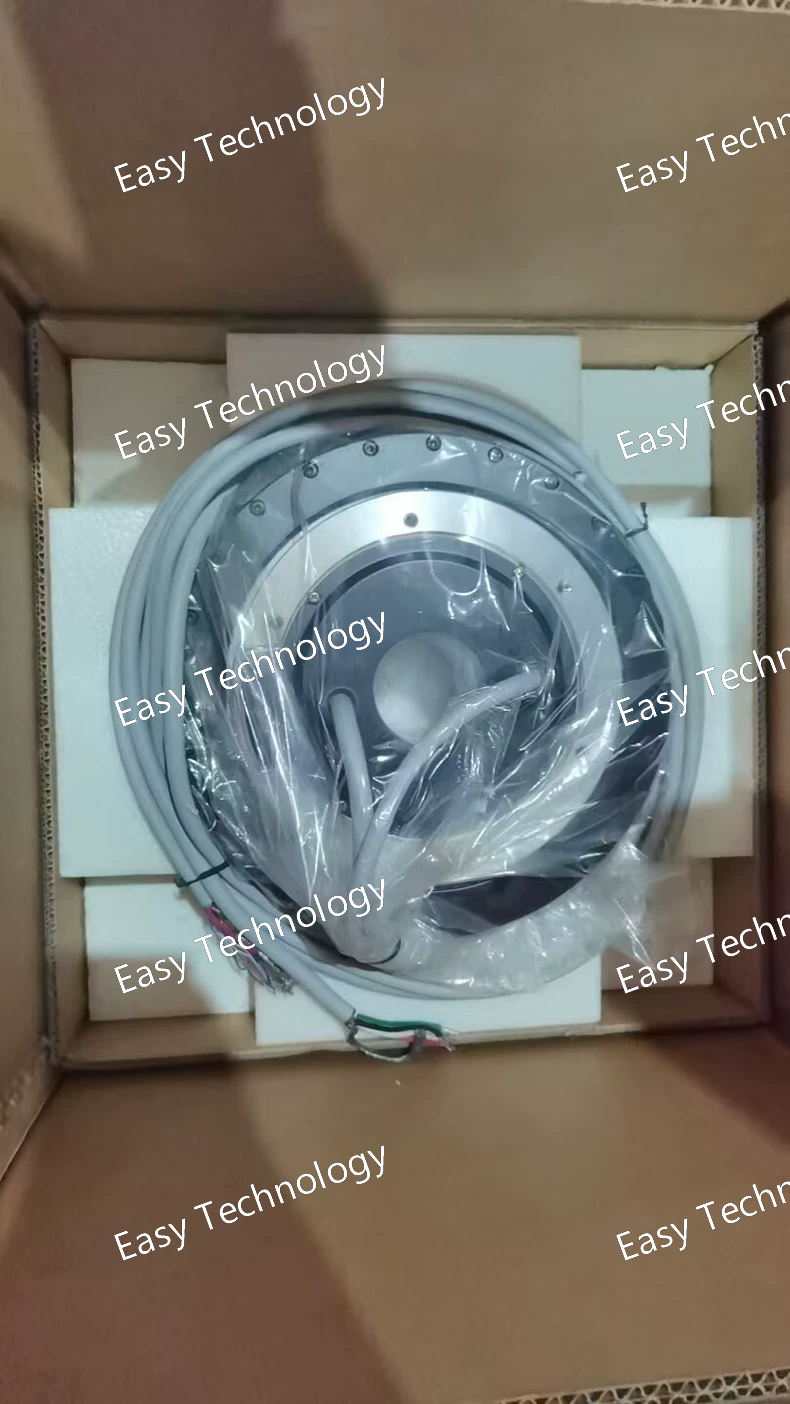
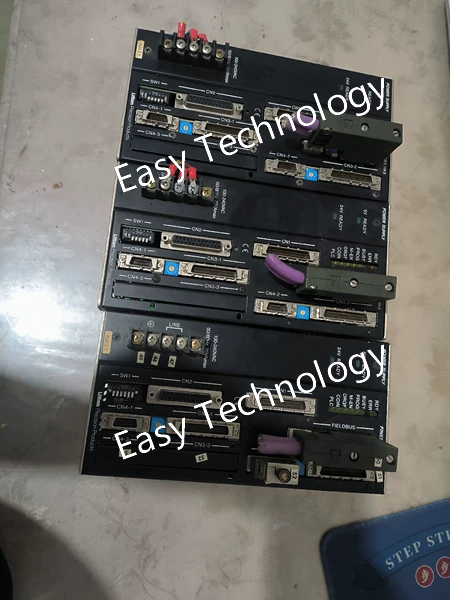
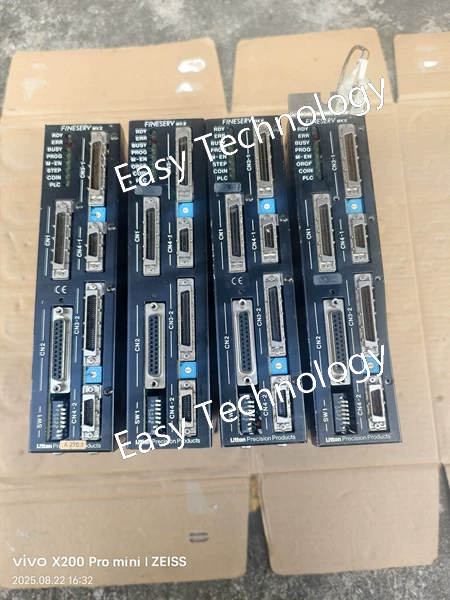
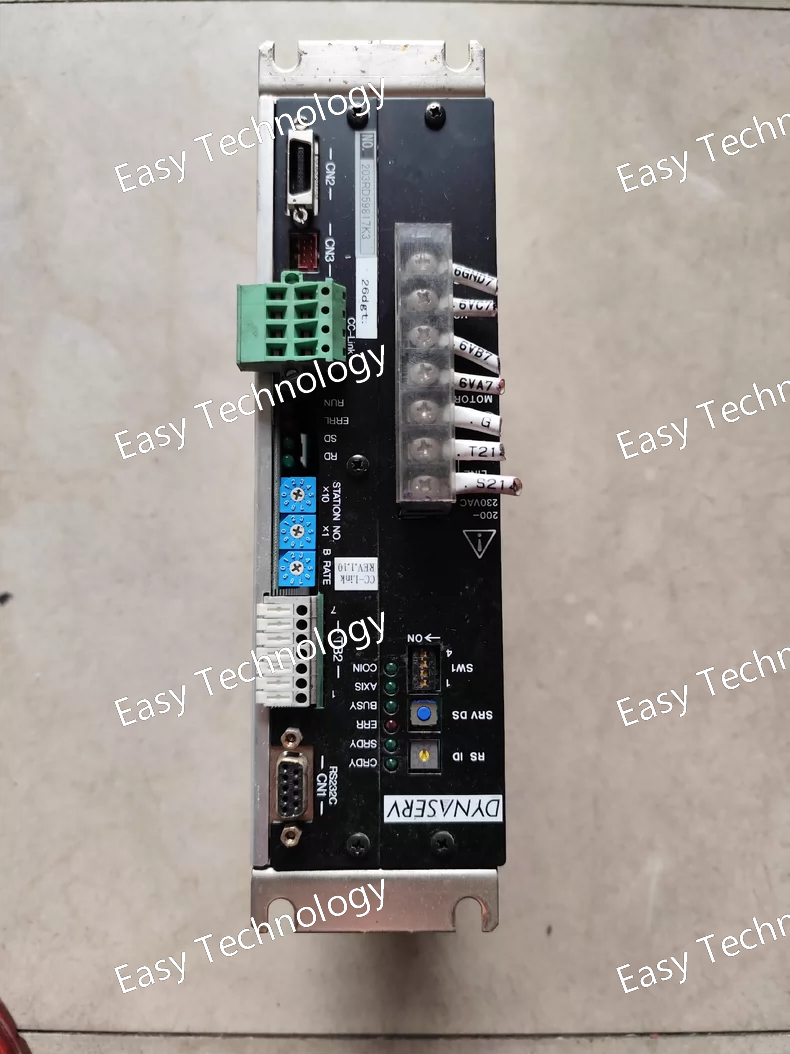
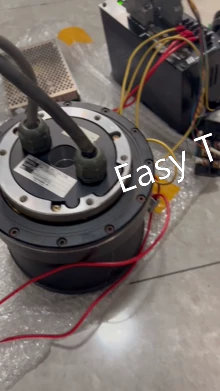
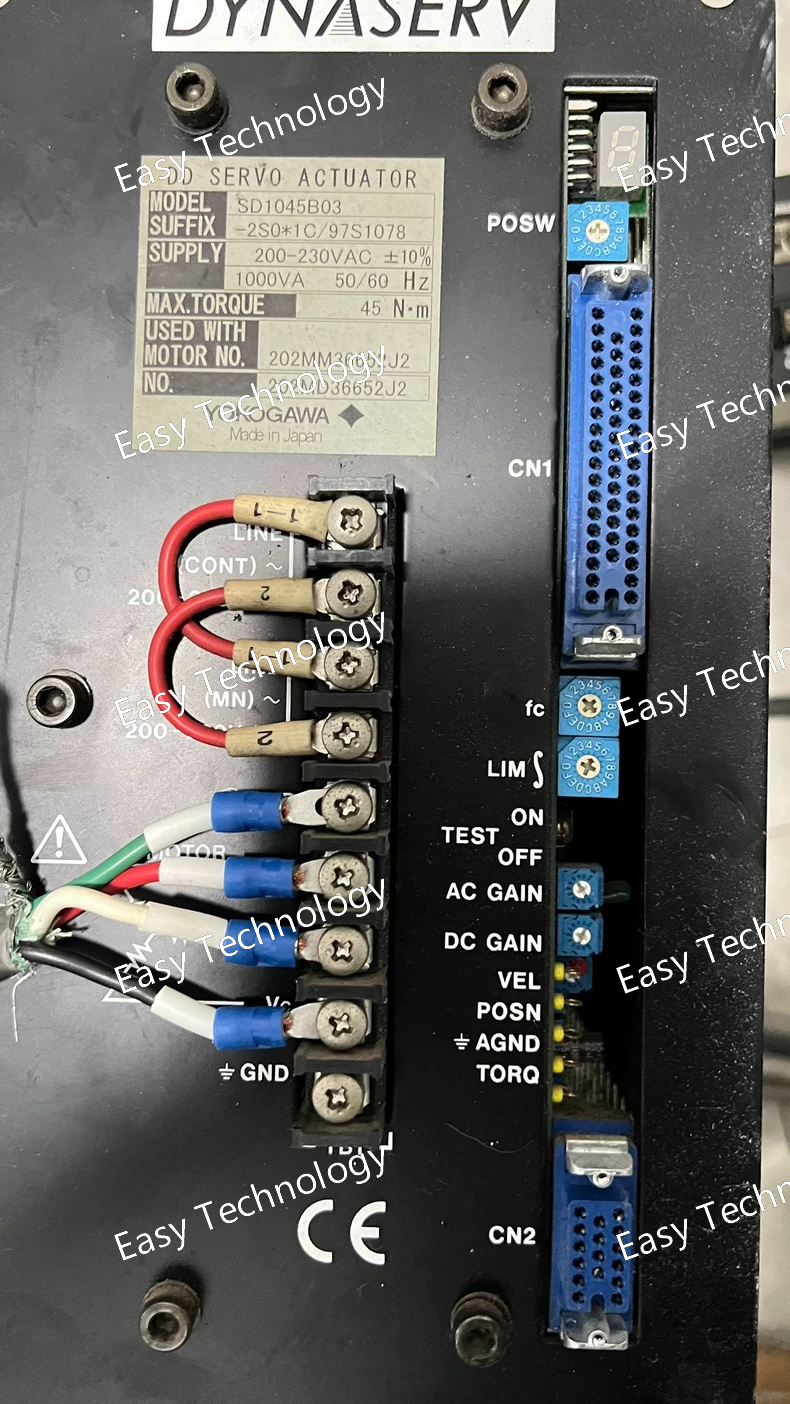
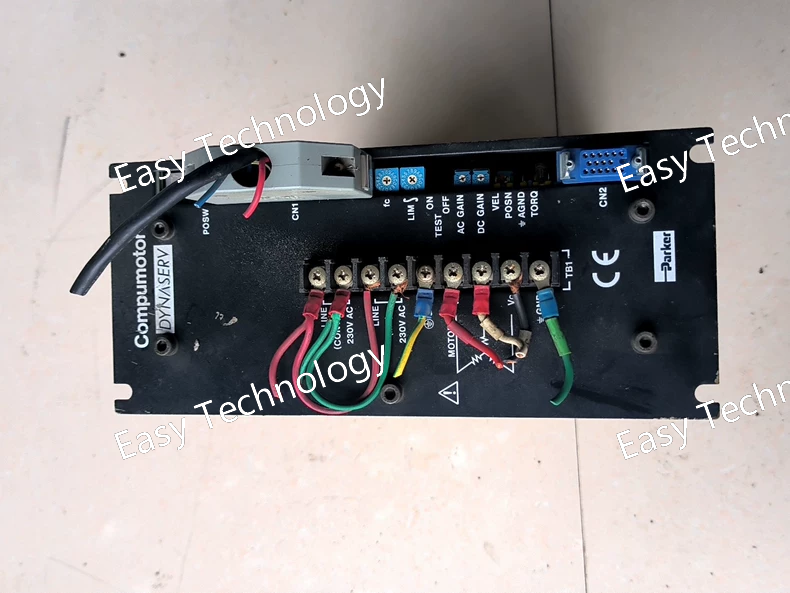
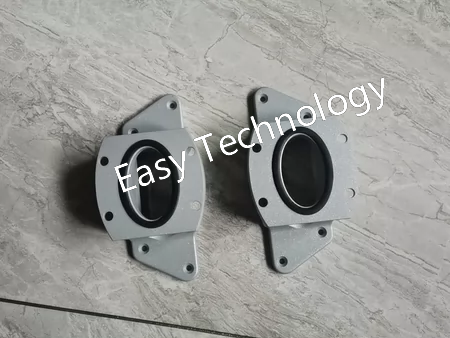
The SR1015B82-2SN/L1 is part of Yokogawa’s DYNASERV DD (Direct-Drive) Servo Actuator line. It is designed to deliver smooth, backlash-free motion with high torque at low to moderate speeds, ideal for applications in precision automation, motion control, robotics, semiconductor processing, packaging, and any system where direct coupling is favored over gearboxes for improved performance. It features high positional accuracy, high responsiveness, and robust mechanical design.
The SR1015B85-2MN*1C/L1D99078 is a direct-drive (DD) servo actuator / servo motor drive from Yokogawa’s DynaServ line. It’s designed to provide precise motion control, high torque, and consistent performance at low to medium speeds without requiring gearing. It is suited for industrial automation, robotics, semiconductor equipment, and any application demanding backlash-free, high-accuracy torque or positioning.
The UD1A-100N-1KD-2SA-2/CN is a direct-drive servo actuator from Yokogawa’s UD1A series (DYNASERV family). It integrates a high-torque direct-drive motor and precision controller in a compact unit. The direct-drive structure eliminates mechanical transmission components such as gears, resulting in zero backlash, high accuracy, and excellent dynamic response. It is suitable for applications requiring precise positioning and smooth motion such as semiconductor equipment, robotics, and precision assembly systems.
The Yokogawa PC10021 is a Signal Conditioner or Signal Converter module designed for use with the Yokogawa UTAdvanced or UTSeries of signal conditioning systems. These are modular, DIN-rail mounted platforms used for isolating, converting, and processing analog signals in industrial control and measurement applications.
The Yokogawa PC10020 is a Signal Conditioner or Signal Converter module designed for use with the Yokogawa UTAdvanced or UTSeries of signal conditioning systems. These systems are modular, DIN-rail mounted assemblies that provide a flexible way to isolate, convert, and process analog signals in industrial control and measurement applications.
The Yokogawa UB5C-015N is a High-Resolution, Absolute, Battery-Less Multi-Turn Hollow Shaft Encoder,This model is engineered for extreme reliability and precision in harsh industrial environments. Its key feature is "Battery-Less" multi-turn counting, which uses a unique mechanical gear system to store revolution data. This eliminates the need for a backup battery, preventing downtime and maintenance issues associated with battery failure.
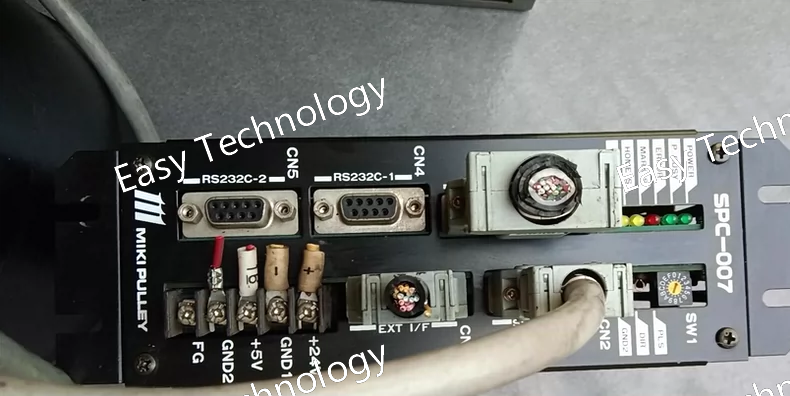
The Yokogawa SPC-007 is a Signal Conditioner designed for DIN-rail mounting. It belongs to a family of compact, single-channel devices used for isolating, converting, and amplifying analog signals in industrial measurement and control systems.
The Yokogawa SD1060B03 is a DC Input Module for the Yokogawa FA-M3 series of Programmable Logic Controllers (PLCs).
This module serves as a critical interface between field devices and the PLC's central processing unit (CPU). It is designed to read the on/off status (discrete signals) from field devices operating at a higher DC voltage than standard 24V modules. Typical devices include selector switches, control relays, and other equipment commonly found in industrial control panels that use 48V, 100V, or 125V DC systems.
The Yokogawa SD1045B03 is a DC Input Module for the Yokogawa FA-M3 series of Programmable Logic Controllers (PLCs).
This module serves as a critical interface between field devices and the PLC's central processing unit (CPU). It is designed to read the on/off status (discrete signals) from field devices such as push buttons, limit switches, proximity sensors, and relay contacts. The module converts these DC voltage signals into digital logic levels (1 or 0) and transmits this data to the CPU via the PLC's backplane for processing within the control logic.
The Yokogawa SD1045B62 is a DC Input Module for the Yokogawa FA-M3 series of Programmable Logic Controllers (PLCs).
This module is a key interface component that connects field devices to the PLC's central processing unit (CPU). It is designed to read the binary on/off status (discrete signals) from a group of field devices such as pushbuttons, selector switches, proximity sensors, and relay contacts. It converts these DC voltage signals into digital logic levels (1 or 0) and transmits this data to the CPU via the PLC's backplane for use in the control program.