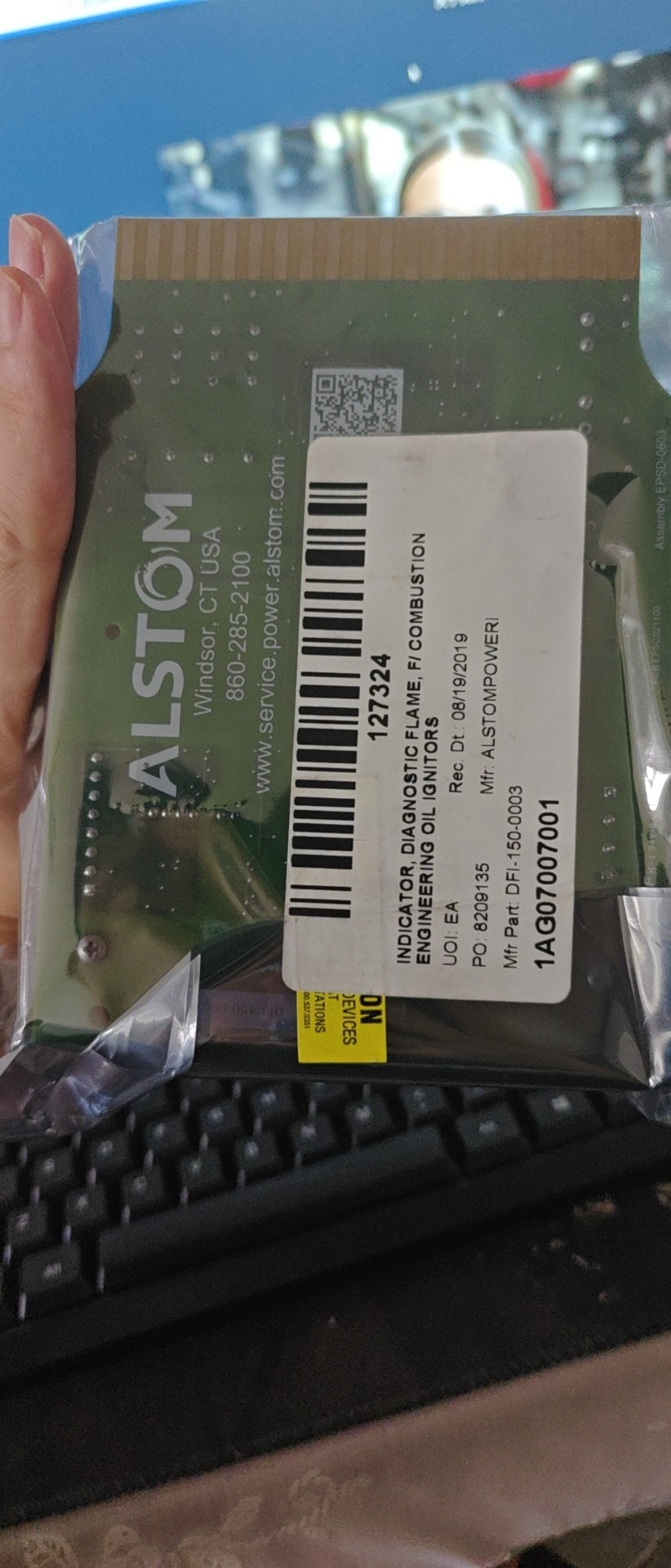
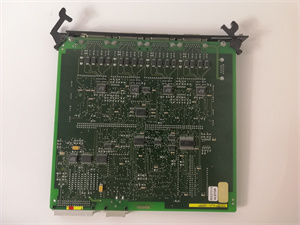
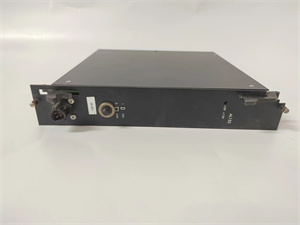
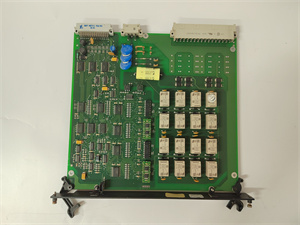
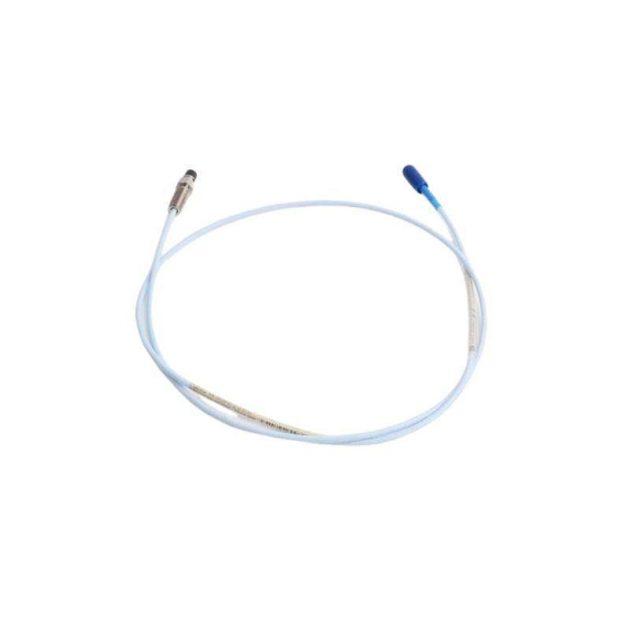
ALSTOM DFI-150-0003 is a flame indicator printed circuit board (PCB) from the ALSTOM Limelight series. It is a dedicated flame detection & diagnostic module used for monitoring flame presence in industrial combustion systems (boilers, burners, gas turbines). It processes UV/IR/ion current signals and provides status & fault outputs to the control system.
Processor: The use of imported processors determines the offensive capability of the motherboard.
Memory: The capacity of RAM and ROM affects the data processing capability of the motherboard.
Interface: Supported communication interfaces, such as distributed, CANbus, RS485, etc.
Input/output: digital input/output, analog input/output, etc.
Power supply: working voltage and current.
Working temperature range: The temperature range within which the module can operate normally.
Size and weight: The physical dimensions and weight of the module.
Data collection: Collect various parameters of the equipment, such as temperature, pressure, flow rate, etc.
Signal processing: Processing the collected data and controlling it according to preset control algorithms.
Execution control: Control the execution mechanism, such as motors, valves, etc., to achieve precise control of the equipment.
Fault diagnosis: Monitor the operating status of equipment, promptly detect and diagnose faults.
Alarm function: When the device malfunctions or the parameters exceed the set range, an alarm signal is promptly issued.
Data collection: Collect various data from sensors, transmitters, and other devices.
Signal processing: filtering, amplifying, converting, and other processing of collected data.
Control output: According to the control algorithm, generate control signals to drive the actuator.
Human computer interaction: Through devices such as display screens and keyboards, achieve interaction with operators.
Communication function: exchange data with the upper computer and other devices to achieve remote monitoring and control.
The typical application areas of LC105A-1 control motherboard include:
Industrial automation: used to control various equipment on the production line, such as motors, valves, sensors, etc.
Process control: used to control parameters such as temperature, pressure, and flow rate in chemical, metallurgical, and other processes.
Building automation: used to control lighting, ventilation, air conditioning and other systems inside buildings.
Environmental monitoring: used to monitor various parameters in the environment, such as temperature, humidity, gas concentration, etc.