

Products
Products
home
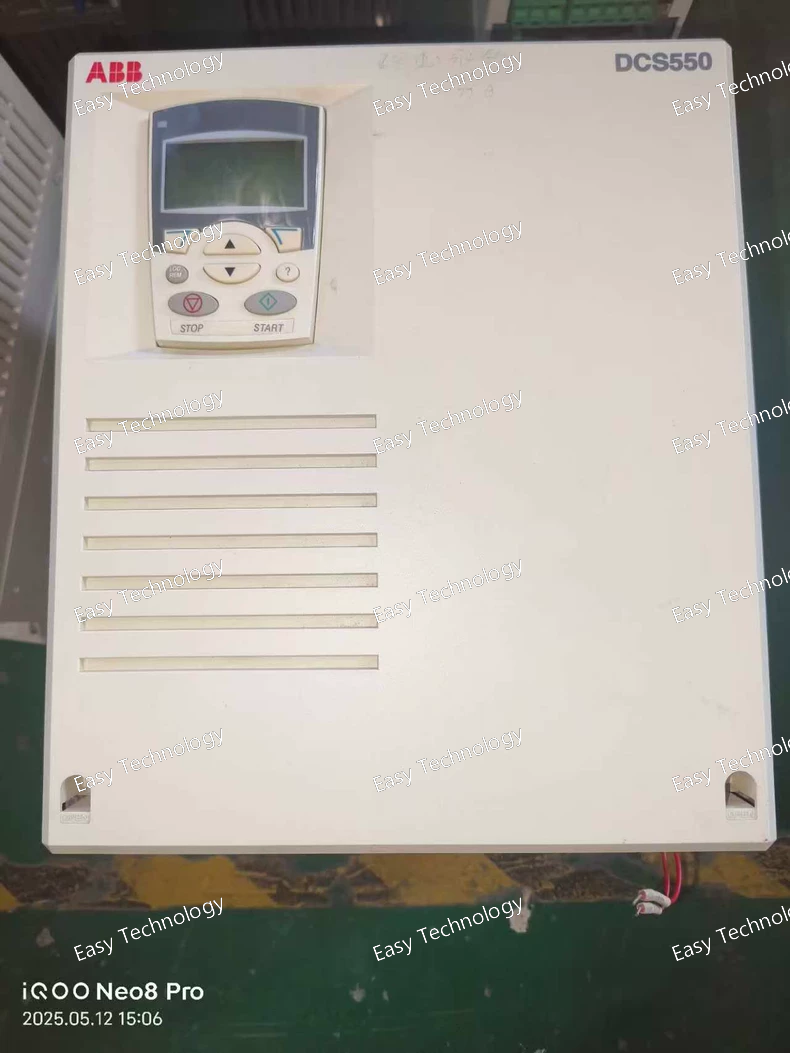
DCS550-S01-0225-05-00-00

The ABB DCS550-S01-0225-05-00-00 is a 225 Ampere, 98 kW (130 HP) DC drive from the DCS550 series, which is an advanced digital DC drive platform. This model represents a controlled (thyristor-based) power conversion unit designed for precise speed and torque control of DC motors in demanding industrial applications.


open
TEL:+86 13600179521
Mail:info@hongkongeasy.com
info@hongkongeasy.com
WhatsApp
Parameters
Request a Quote
Return to List
Key Specifications Parameter Category Specification Drive Series/Model DCS550-S01-0225-05-00-00 Motor Type DC Motor (Armature & Field Supply) Rated Armature Current 225 A (Continuous DC Output) Rated Power Output ~98 kW (130 HP) (for a typical 460V DC motor: 225A * 460V ≈ 103.5 kW). Power rating is voltage-dependent. Configuration Single Quadrant (S01): Forward motoring operation only. Cannot handle regenerative energy. Power Input Typically 3-phase, 400V AC (±10%), 50/60 Hz. (Confirm based on "-05" code). Armature Output Voltage Variable DC, typically up to ~500V DC for a 400V AC supply. Field Supply Output Typically included in base unit (refer to manual). Adjustable DC output for the motor's field winding. Control Method Digital control using thyristor (SCR) converter technology. Features current and speed feedback loops, programmable via DriveWindow software or control panel. Key Features • Digital Control Unit (DCU): Programmable for complex applications. • Precise Speed Regulation with tachometer or EMF feedback. • Torque Control capability. • Extensive I/O for process integration. • Field Weakening capability for extended speed range. • Diagnostic and monitoring functions. Protection Features • Armature and field overcurrent protection. • Motor thermal overload protection. • Mains phase loss and undervoltage protection. • Overvoltage and over-speed protection. • Heatsink overtemperature protection. Typical Applications Extruders, Winders/Unwinders, Mixers, Machine Tools, Presses, and other heavy machinery using DC motors where single-quadrant control is sufficient.